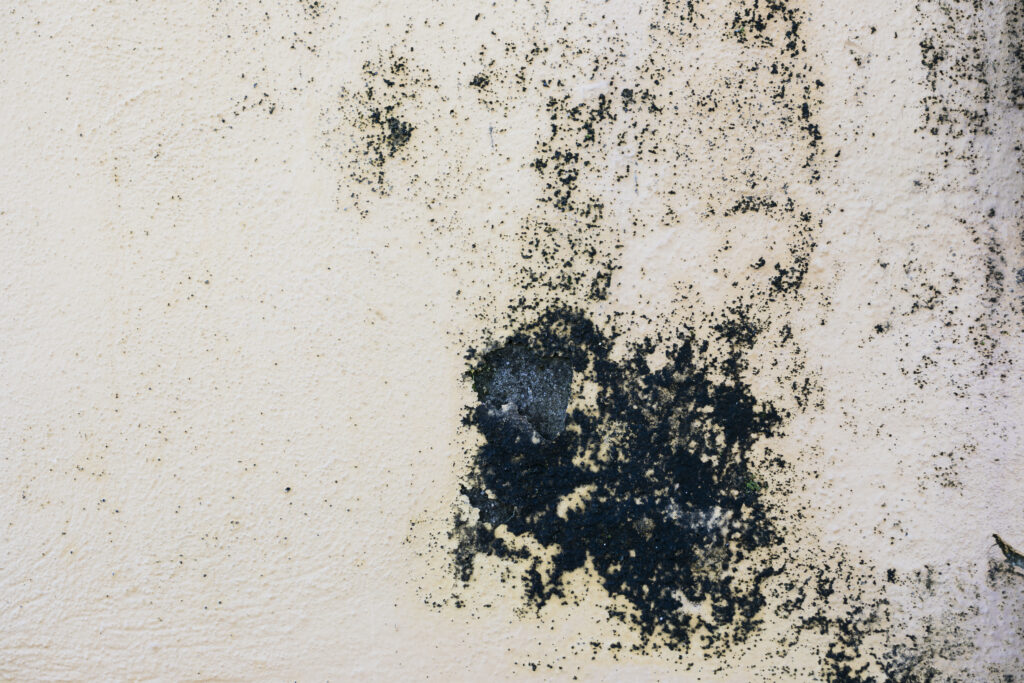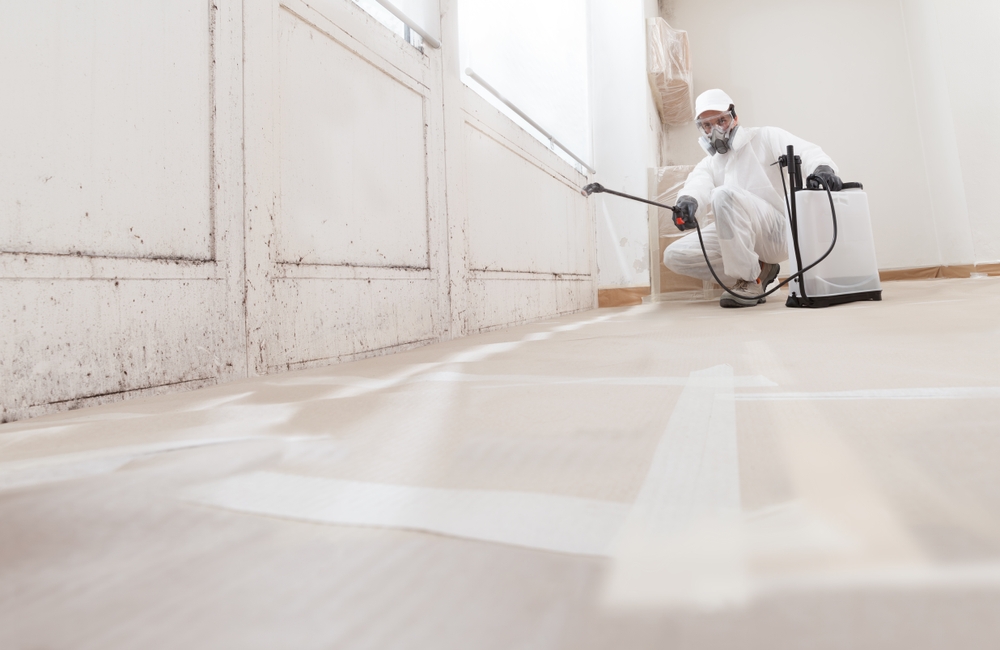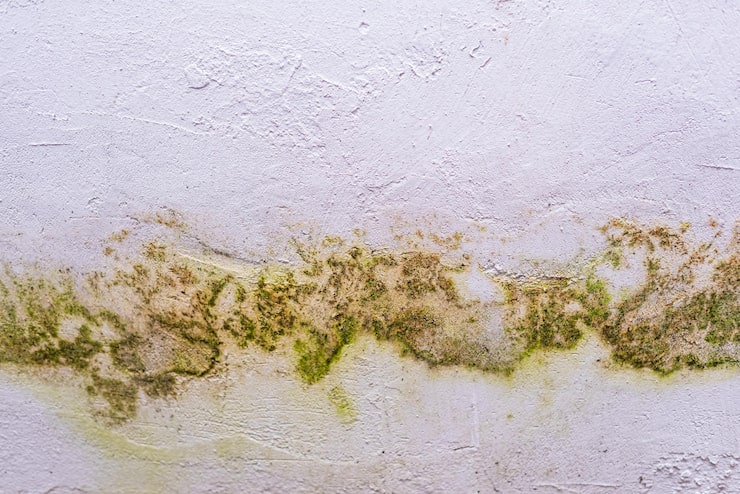

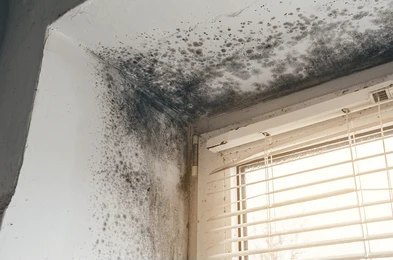
In Australian educational facilities, mould triggers strict WHS obligations. Compliant mould remediation is mandatory, and it requires professional containment, independent verification, and documented reporting. Surface cleaning leads to non-compliance, which results in unhealthy conditions and legal liability.
Key Takeaways
- Educational facilities are legally obligated to eliminate or minimise mould hazards under the WHS Act 2011.
- Compliant remediation requires following IICRC S520 and AMG 2005-1, and not general cleaning protocols.
- Post-remediation verification by an independent hygienist is the only way to prove safety and compliance.
According to a study by WHO, 10% to 50% dwellings in Australia are affected by mould due to indoor dampness. The issue of mould also persists in educational facilities. So, the schools in Australia face a dual duty to stay compliant. They must ensure the safety of students as well as fulfil staff Work Health and Safety (WHS) obligations related to indoor air quality.
Exposure to indoor mould can cause allergic reactions, respiratory issues, and irritation, especially in sensitive individuals. It can cause a runny nose, itchy eyes, asthma exacerbation, excessive sneezing, skin rashes, and coughing. Therefore, indoor mould growth is a compliance as well as a health challenge.
If you want to learn more about environmental compliance for mould remediation in Australian educational facilities, then keep reading.
Why Educational Facilities Are High-Risk Mould Environments
Educational facilities in Australia are a high-risk environment for mould due to the warm and humid climates, particularly in Queensland, coastal New South Wales, and the Northern Territory.
Many older and refurbished schools also suffer from poor ventilation and moisture ingress. A study by Sciencedirect, revealed that 60% of the classrooms in Australia have ventilation rates below the recommended minimum. Moreover, classrooms have a high density of occupancy, which leads to increased moisture from respiration.
Poorly maintained Heating, Ventilation, and Air Conditioning (HVAC) systems also lead to the spread of spores, creating substantial respiratory risks for students as well as teachers.
The Legal Compliance Framework: What Schools and Principals Must Know
Here are the legal compliance frameworks that you must know about.
Work Health and Safety (WHS) Act 2011
Mould in remediation in educational facilities is seen as a health risk management practise. As per the Act, Persons Conducting a Business or Undertaking (PCBUs) must ensure that staff, students, and visitors are not exposed to health risks from mould.
Occupational Health and Safety (OHS) Act 2004
In the context of mould remediation in educational facilities, the Act requires that PCBUs take a proactive approach to identify, assess, and control mould. So, you must, as far as reasonably practicable, ensure that staff, students, and contractors are protected from potential respiratory issues caused by mould exposure.
IICRC S520 or AS-IICRC S520:2025
With respect to mould remediation, these are international standards for professionally, safely, and effectively removing contamination. It serves as a rigorous, science-backed framework to ensure that remediation efforts address the underlying microbial contamination and are not just cosmetic.
Australian Mould Guidelines (AMG) 2005-1
The industry-reviewed document serves as a guideline outlining inspection procedures and remediation techniques for indoor environments contaminated with mould. The guidelines also act as a technical framework for managing occupational health and safety risks.
Australian Standards (AS) 1668.2
The standard governs minimum ventilation rates for indoor air quality. Meeting the minimum rate is important for preventing mould growth in educational facilities. Although the standard is not a direct guide for cleaning mould, it outlines the engineering controls needed to prevent mould-causing moisture build-up.
NCC (National Construction Code)
The Code places significant emphasis on managing moisture to prevent the growth of mould in buildings. Although the Code is focused mainly on the design and construction of new buildings, it also sets out performance requirements for managing condensation and preventing mould growth.
What Compliant Mould Remediation in a School Actually Involves
Here are the steps that you must get done by licensed professionals in order to remain compliant with mould remediation requirements.
Initial Assessment
You must hire an Occupational Hygienist (OH). They will perform visual inspection, mixture mapping, and air and surface sampling. Before proceeding to containment and remediation, the OH and other licensed workers must wear appropriate Personal Protective Equipment (PPE).
Containment
The OH will isolate the affected areas with sealed plastic sheeting. They will also place the area under negative air pressure using High-Efficiency Particulate Air (HEPA)-filtered air scrubbers. This is necessary for preventing cross-contamination.
Remediation
The OH will remove the contaminated porous materials like plasterboard, carpet, and ceiling tiles. This is more effective than just treating the surface of the mould-affected area, as the porous materials cannot be completely cleaned.
After the removal of contaminated porous materials, the affected structural surfaces have to be treated with antimicrobials, deterrent water, vinegar solutions, or biocidal agents. Lingering spores are also removed using HEPA vacuuming.
Verification, Reporting, and Documentation
The OH will perform a post-remediation verification or post-treatment air quality test. This has to be done to confirm that the area has returned to normal fungal ecology, also referred to as Condition 1. The following are five common criteria for post-remediation verification.
- Absence of Visible Mould and Debris
- Spore Count Returned to Condition 1 (Below 1000 CFU/m³ to 2,000 CFU/m³)
- Indoor-Outdoor Spore Comparison (Individual mould type not exceeding 100 c/m³ compared to outdoor control samples)
- Acceptable Indicator Mould Species Levels (Recommended less than 200 c/m³)
- Absence of Target Fungal Types (Zero Tolerance for pathogenic or water-loving species)
Note that verification involves testing both air and surfaces. A comprehensive compliance report must also be generated. It must be maintained for school records, insurers, and the education department.
Why General Cleaning Is Not The Same As Environmental Remediation
If you perform general cleaning, only the surface will be treated. On the contrary, professional environmental remediation will solve the root problem. Moreover, if you do a general cleaning, the spores can spread while the moisture remains unaddressed. So, mould can return within weeks.
In educational facilities, general cleaners are only allowed to clean small-area mould of less than 3m². This is because the general cleaners lack the specialist equipment needed for managing the spread of spores. For the remediation of large areas or recurring mould, you must hire a professional to prevent cross-contamination and ensure compliance.
Get in Touch with SERS for Mould Remediation
Mould remediation requires engaging licensed professionals for safety as well as compliance. Professional mould remediation services in Australia offer urgent IICRC-certified inspection, removal, and sanitisation for both residential and commercial properties. They focus on the identification of moisture sources and provide safe and permanent solutions for air quality restoration.
Choosing the right environmental partner for mould remediation at educational facilities will ensure both safety and regulatory compliance. So, reach out to SERS before moisture and mould turn into a health and compliance risk.
Frequently Asked Questions
1. How Do I Know That My School Has A Mould Problem If There Is No Visible Growth?
Look for signs like persistent musty or earthy odours, visible water damage like peeling paint or stains, and increased respiratory issues in occupants. These signs often indicate hidden mould that can be identified through a moisture mapping process.
2. What Is The Difference Between Mould And Mildew, And Does It Matter When It Comes To Compliance?
Mildew is surface-level, which feels powdery and appears as white or grey. However, mould is deeper, fuzzier, darker, and more toxic. Both mould and mildew require remediation, but mould poses higher health risks and thus has stricter compliance obligations.
3. Can Mould Remediation Be Staged Across School Terms, Or Should It Be Completed As One Continuous Process?
Mould remediation should be a continuous and urgent process. By staging, you will risk cross-contamination and ongoing health risks for staff and students. It is necessary to perform immediate isolation and remediation.
4. Who Is Responsible For Mould Remediation In A School– The Principal, The Education Department, Or The Property Owner?
It is a shared duty of care. However, state assets are typically managed by the Department of Education. Independent school property owners are liable for maintenance and health compliance.
5. What Health Symptoms In Staff Or Students Should Trigger A Formal Mould Investigation?
Unexplained headaches, chronic fatigue, congested sinuses, and respiratory problems are signs that immediate air quality and environmental assessments are needed. Sudden increase in asthma attacks or unexpected rashes can also be health symptoms of mould exposure.