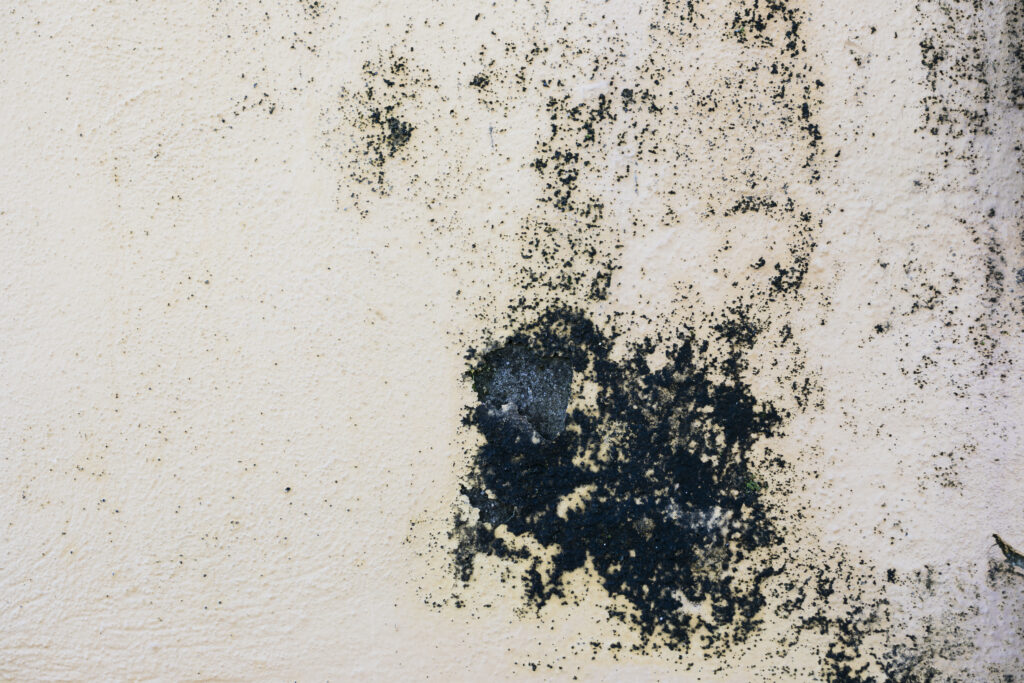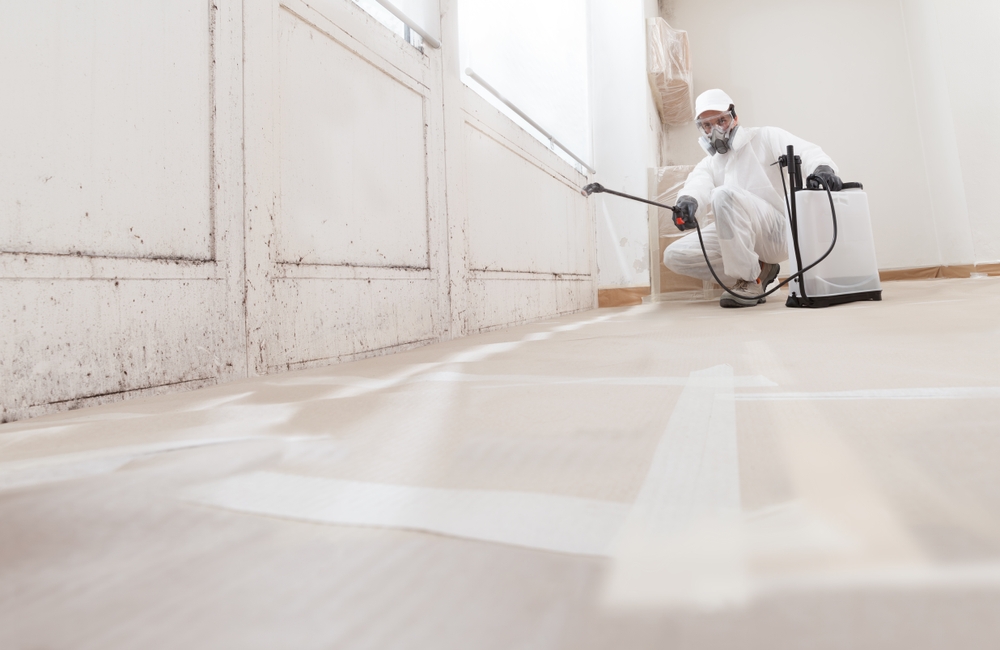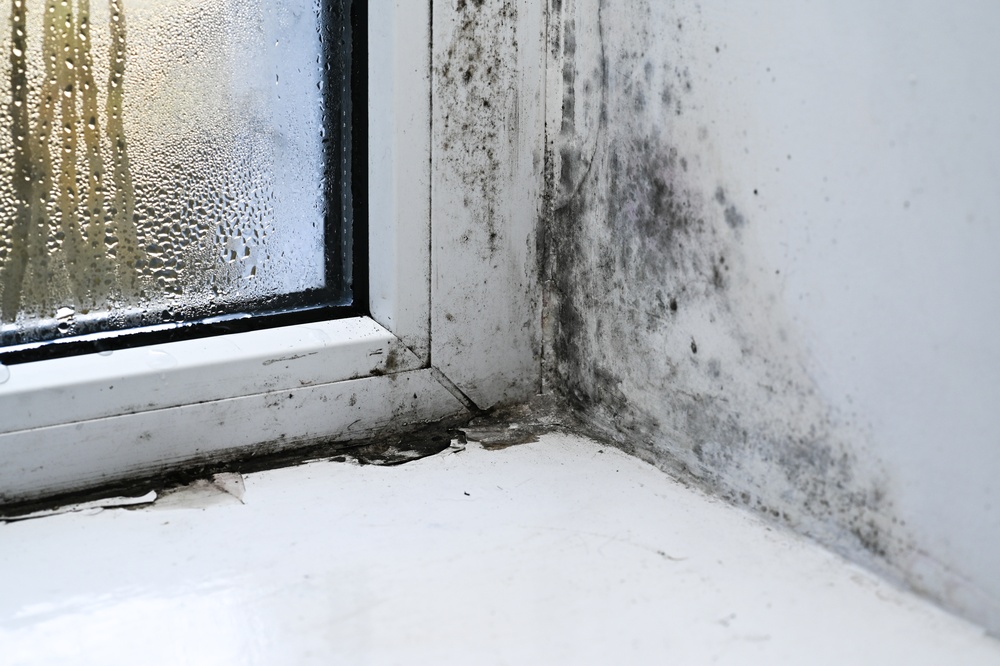

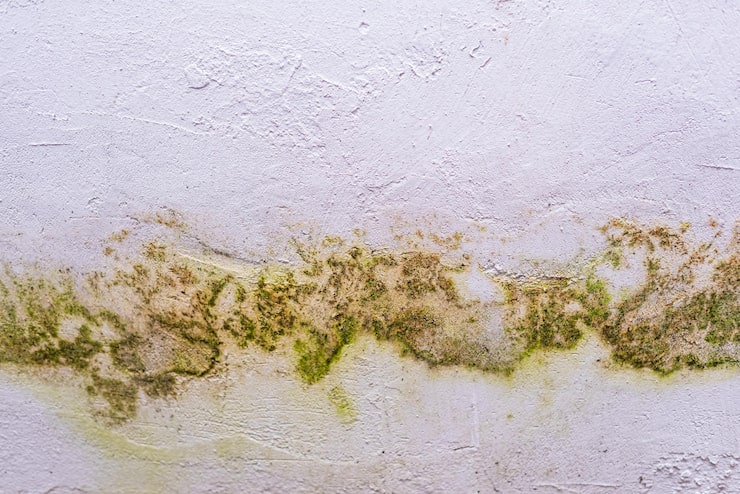
The 48-hour window following a flood or structural water leak is not merely a suggestion for Australian property owners. It is a critical biological deadline. Delayed actions to mitigate these issues can escalate contamination in category 2 and 3 challenges, triggering skin and respiratory issues, while the structural challenges must be addressed with professional remediation.
Key Takeaways
- Mould colonises damp materials like plasterboard and carpet within 24–48 hours, especially in humid regions.
- Untreated mould causes respiratory illnesses, eye irritation, and risks violating strict Australian Workplace Health and Safety (WHS) regulations.
- Immediate ventilation, PPE usage, and professional air sampling are vital to prevent irreversible property and environmental damage.
The 48-hour window after a flood or water leak is not merely a suggestion for Australian homeowners, but rather a critical deadline. But why?
A 2022 report from Asthma Australia states that over 5,000 Australians found that 50% had mould or dampness in their home in the last 12 months, with one third (34%) specifically reporting visible mould, and that any level of mould is considered unsafe for health.
Damp walls, insulation, and carpets often become an active breeding ground for mould within 24-48 hours, which requires professional intervention to protect health conditions and prevent structural damage. Here’s what you need to know about the mould challenges and action plans.
Why is the 48-Hour Window Critical for Australian Home and Business Owners?
Before we delve into the major reasons behind setting the window, let’s clear up a misconception. Often asked, how fast does mould grow after flooding or water damage?
Property owners assume weeks or months for mould to appear after flooding or water leakage, but in the warm and humid climate, it will grow within 24-48 hours if the issues are not addressed efficiently.
Now, here are the key reasons behind the essential mould testing after water damage within 48 hours.
Escalating Contamination
Mould after floods in Australia is a key driving factor of biohazards, including mycotoxins, fungi, and bacteria. What initially looks relatively clean and manageable can shortly turn into grey water (category 2) or black water (category 3) challenges. It is a gradual challenge, with category 2 degrading into category 3 rapidly.
Biological Timetable
Although mould spores are naturally present in the indoor air, they germinate primarily based on 3 conditions:
- Extended humidity or moisture.
- Presence of organic materials, such as carpet backing, timber framing, plasterboard, and fabrics.
- Adequate oxygen and temperature.
In South East Queensland and Brisbane, the humidity and warm temperatures accelerate the germination, and the spores colonise rapidly.
Regulatory & Workplace Standards
Under Australian WHS guidelines, proposed by WorkSafe Queensland and SafeWork NSW, commercial spaces should have a strict duty of care. If you fail to address water damage within this window, it will result in employee health issues and environmental damage.
Irreversible Damage
Once mould starts rooting into porous materials, such as soaked drywall, plasterboard, or carpet, the remediation becomes a challenge. Ensure mould inspection after a leak or flood within 2 days to secure a safe indoor environment. SERS’ experience and expertise in mould testing and remediation can be a trusted partner to restore environmental safety and prevent health issues.
What are the Health Impacts of Untreated Mould on Australian Houses and Commercial Spaces?
Mould enters the human body primarily through inhalation, ingestion, or dermal absorption. Apart from this, mould also enters the body through dermal absorption. Here are the top health impacts of untreated mould on Australian properties.
Respiratory and Allergic Reactions
Inhaling mould spores triggers health issues like asthma and hay fever symptoms, such as sneezing, nasal congestion, and sinus infections. Apart from this, mucous membrane irritation is also observed among residents and workers.
Skin and Eye Irritation
Living in a damp indoor environment or direct contact with mould spores causes eye and skin irritation. Prolonged exposure to mould leads to eye infections and persistent red eyes, while dermal issues like skin rashes and eczema are the major issues forsensitive skins.
Severe Fungal Infections
Less common compared to other issues, but individuals with immunity issues often face fungal infections, due to mould after floods in Australia. Breathing in some particular Aspergillus sp. spores causes lung infections. On the other hand, inhaling high concentrations of mould allergens for a long period leads to inflammatory conditions.
Action Plan for Australian Property Owners
Check the list below to know what you can do to get rid of mould issues in your property.
- Check the power (as it must be off) and use Personal Protective Equipment (PPE), such as eye protection, face mask, and rubber gloves, before the procedure begins.
- Consult with your insurance company before you discard water-damaged items or start extensive structural repairs.
- Keep windows and doors open for cross-ventilation to dry the environment within the 48-hour window.
- Wrap absorbent materials like carpet or soaked insulation in plastic and discard.
- Use mild soapy water (80% vinegar and 20% water) or diluted bleach (250ml of bleach in 4 litres of water) to remove small patches.
Action Plan for Mould Remediation Under Professional Help
So, what if the situation runs out of hand? Opt for professional guidance and expertise. SERS’ mould inspection after a leak or flood involves specific action plans for mould remediation – a sigh of relief for property owners.
Mould Spore Sampling
SERS’ professionals use a pump for air sampling, while the sample is collected in a collection tool. Apart from this, cotton balls are used to collect mould samples from different corners of properties. In cases of large properties, experts collect samples in large amounts, followed by careful storage in sterile containers.
Assessment of Spore Sample
The mould samples are inspected via moisture mapping, through which experts identify the source of moisture in the property. We will provide you with an initial report, the following results, and offer future actions.
Apart from this, our expert tests the air quality inside offices or residences to analyse the spore level. Following this, a detailed report is provided after the lab testing.
Reporting and Recommendations
Through rigorous testing under advanced technologies, experts determine the type of mould and the level of contamination. Experts also provide the risk level report, so that you can take relevant measures and steps to ensure a reliable working and living environment.
Contact SERS for the Best Mould Remediation Support
Facing mould issues in your office or house? Get the best guidance and mould testing after water damage services from SERS to secure healthy living or working conditions.
Frequently Asked Questions
What are the Systematic and Neurological Challenges Caused by an Untreated Mould?
Toxigenic moulds, such as Stachybotrys chartarum, release mycotoxins, triggering severe inflammatory responses. It causes extreme fatigue, joint pain, and chronic headaches, along with fevers and nausea.
How does the 48-hour Rule Impact My Australian Home Insurance Policy?
Most Australian insurers, such as Suncorp, NRMA, or Allianz, require policyholders to mitigate further loss after an incident. If you leave standing water or an exposed roof for more than 48 hours without attempting to contact a restorer or tarp the area, the insurer may argue that subsequent damages, like widespread mould, were preventable, potentially compromising your payout.
If Emergency Services (like the SES) Tarp My Roof, does the 48-hour clock Stop?
No, the SES (State Emergency Service) provides temporary rendition to prevent collapses, but a tarped roof still leaks moisture and humidity. So, you still need a private assessor or restorer to manage the internal climate immediately.
If My Property Looks and Feels Dry at the 48-hour Mark, Do I Still Require Professional Support?
Technically, yes. Water often traps itself behind skirting boards, inside cavity walls, and beneath subfloors. Professional restorers use non-penetrating moisture meters and thermal imaging cameras to ensure the internal structural elements are truly dry before closing the book on the 48-hour window.