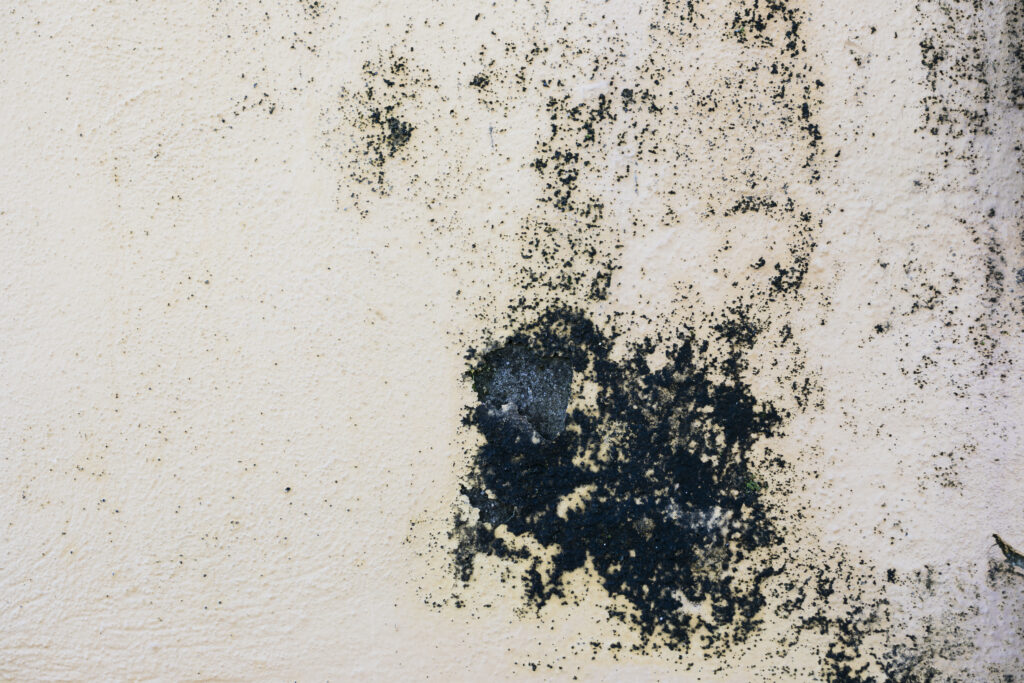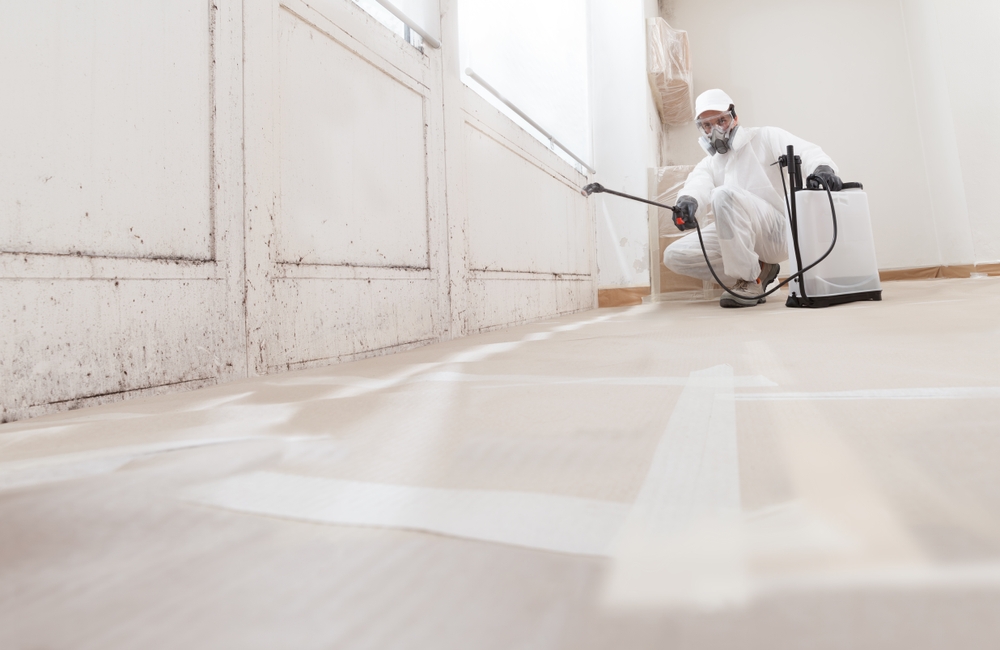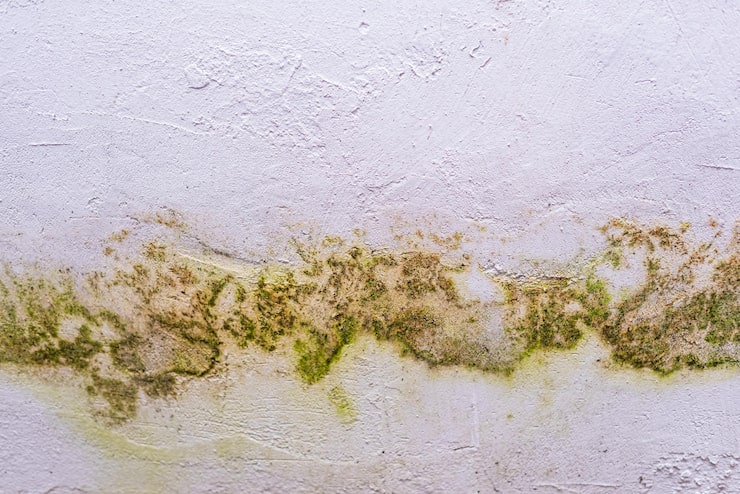

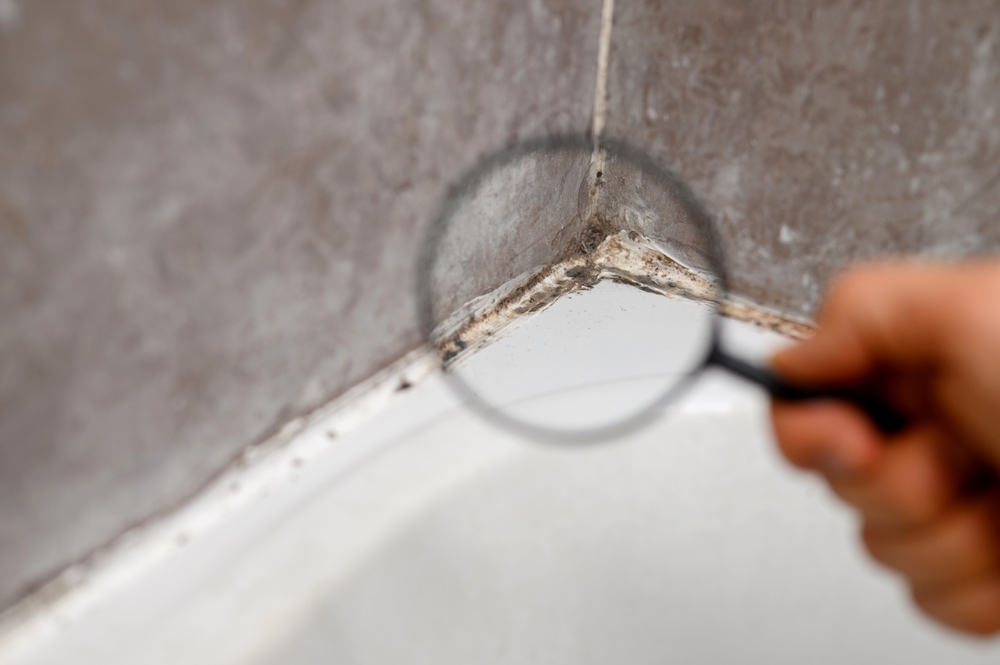
Mould spore counts spike when moisture, poor ventilation, and organic materials combine. Identifying the root cause early is the only reliable way to protect building occupants and avoid costly remediation down the track.
Key Takeaway
- Moisture drives mould growth: High spore counts happen when moisture, poor ventilation, and organic materials combine.
- Spores trigger health issues: Elevated airborne levels cause respiratory symptoms, allergies, and lung inflammation.
- Surface cleaning fails: Bleach and wiping don’t kill deep spores or fix the air quality.
- Moisture control is key: Permanently eliminating mould requires fixing the water source and removing contaminated materials.
Mould spores are present in almost all indoor environments in Australia. These don’t cause much harm at low concentrations.
That being said, the problem starts in specific conditions. There are some conditions that allow colonies to establish and multiply, driving airborne mould spore counts to levels that trigger health effects and structural damage.
If you are currently experiencing something similar, then you must understand a few basic things about spores. It is important to understand what causes elevated counts and how you should deal with them depending on their cause.
What is the Reason Behind High Mould Spore Counts Indoors?
The following are some of the reasons that increase the count of spores indoors.
1. Uncontrolled Moisture and Water Ingress
Moisture is the biggest reason behind elevated mould and spores in any built environment. Things like roof leaks, rising damp, and plumbing failures create the persistent wet conditions that support the growth of mould colonies.
In Australia’s humid coastal regions, particularly Queensland and northern NSW, moisture ingress can happen faster than building managers realise.
Some of the common sources of uncontrolled moisture are:
- Leaking roofs, gutters, and downpipes
- Lack of damp-proofing in older buildings
- Condensation on poorly insulated pipes and walls
- Flooding or stormwater intrusion
2. Poor Ventilation
Lack of ventilation leads to stagnant air, and the situation is much more serious than you can think. This creates room for mould spores in the air. Spaces with no cross-ventilation, like sub-floors, ceiling voids, and enclosed storage rooms, are consistently high-risk zones.
HVAC systems that are infrequently maintained can also become internal distribution points, actively pushing elevated spore counts through an entire building.
3. Organic Building Materials
Timber framing, plasterboard, carpet backing, and paper-faced insulation, these are breeding grounds for mould. Once moisture contacts these cellulose-rich materials, it swiftly signals for colonisation within 24 to 48 hours. Read this to know what to do if the 48-hour window closes.
This situation is more common in older buildings and post-flood structures. This is because the materials in these buildings are generally saturated for a long time before drying out.
4. HVAC Contamination
A contaminated air handling unit spreads mould in its surroundings. Dirty drain pans, wet filters, and ductwork with mould increase the number of airborne mould spores throughout a floor or building quickly when the system runs, creating more issues.
This is why regular inspection and testing of HVAC systems is a must. This helps in detecting germs and managing indoor air quality.
5. Post-Construction or Renovation Disturbance
Construction work stirs up settled spores and creates new ways for contamination to enter. Activities like cutting walls, taking out old floors, or tearing down ceilings in damp areas are more dangerous than they look. This releases large amounts of black mould spores and other types of spores.
So, remember, always seal the work area and monitor the air. This will stop the spore levels in the entire building from rising.
Common Mould Types and Their Risk Levels
| Mould Type | Typical Location | Risk to Occupants |
|---|---|---|
| Cladosporium | HVAC systems, window frames | Low to moderate |
| Aspergillus | Damp walls, stored materials | Moderate |
| Stachybotrys (black mould) | Chronically wet cellulose surfaces |
High |
| Penicillium | Water-damaged insulation, carpet | Moderate |
| Alternaria | Bathrooms, leaking roofs | Moderate |
Table 1: Risk Levels of Common Mould Types
Symptoms of Mould Spore Exposure
Elevated concentrations of airborne mould spores produce a consistent set of health responses. The symptoms of being exposed to mould spores are:
- Constant nasal congestion, sneezing, and a runny nose
- Irritation in the eye, skin, and throat
- Worsening of asthma or pre-existing respiratory conditions
- Chronic fatigue and headaches in heavily contaminated spaces
In cases of prolonged exposure, particularly to black mould spores, mould spores in the lungs can cause more serious respiratory inflammation, hypersensitivity pneumonitis, or opportunistic infections in immunocompromised individuals. If occupants are reporting recurring mould spore symptoms, a professional air quality assessment should be the immediate next step.
What Kills Mould Spores and What Doesn’t
This is one of the most misunderstood aspects of mould management. Understanding what kills mould spores matters because surface cleaning alone does not resolve an elevated spore count.
| Method | Effective Against Spores? | Notes |
|---|---|---|
| Bleach (surface application) | Partially | Kills surface mould, does not penetrate porous materials |
| HEPA air filtration | Yes | Captures airborne spores; does not address the source |
| Biocide treatment | Yes (professional-grade) | Requires correct concentration and contact time |
| UV-C light | Yes (controlled settings) | Effective in HVAC; ineffective against settled spores |
| Dry wiping or vacuuming | No | Disperses spores further |
| Source removal + drying | Most effective | Eliminates the colony at the origin |
Table 2: Different Methods of Killing Mould Spores
The only lasting solution to high mould spore counts is eliminating the moisture source, physically removing contaminated materials where necessary, and confirming clearance through post-remediation air sampling.
Looking to Tackle Mould Spore Counts at Your Site? Talk to SERS.
SERS provides professional indoor air quality assessments and mould spore air monitoring across Perth, Brisbane, Sydney, and Newcastle. Our NATA-accredited laboratory processes samples to Australian standards, and our consultants deliver clear, actionable reports, not generic advice.
If occupants are reporting mould spore symptoms or you have identified visible growth, contact the SERS team today for a site-specific assessment and remediation plan.
Frequently Asked Questions
Are Mould Spores Dangerous?
Yes, they are. Mould spores become dangerous when concentrations exceed safe thresholds. Prolonged exposure causes serious respiratory illness.
What Kills Mould Spores?
Professional-grade biocide treatments, HEPA filtration, and UV-C systems neutralise mould spores. However, the most effective solution is to remove the moisture source.
How Do I Know if Mould Spores in the Air Are Affecting My Building’s Occupants?
If multiple occupants are reporting nasal congestion, headaches, or worsening respiratory symptoms that improve when they leave the building, then there is a chance that high airborne mould spore counts are the cause.
How Long Does Mould Remediation Take for a Commercial Site?
The timelines vary depending on the extent of contamination and the materials involved. A contained single-room remediation takes 1-3 days. Larger sites with systemic HVAC contamination or structural material involvement take 1-4 weeks.
Can Mould Spores Return After Professional Remediation?
Yes, they can. This happens if the underlying moisture issue is not resolved.