

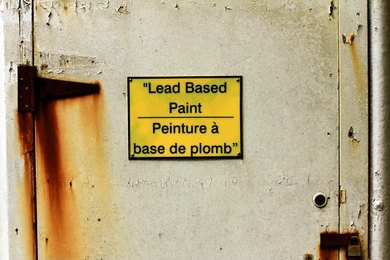
Lead paint testing identifies hazardous lead levels in older properties to protect occupants from severe health risks. Professional environmental inspections and certified testing methods ensure accurate contamination detection, compliance with safety standards, and safe, effective remediation planning for aging structures.
Key Takeaways
- Older properties often contain hazardous lead coatings that require certified professional testing for accurate detection.
- Exposure to deteriorating lead dust causes severe long-term health risks for vulnerable household occupants.
- Professional environmental management plans prevent toxic contamination during home renovation and paint removal projects.
Older residential properties often conceal significant environmental hazards beneath layers of modern decorative paint. Lead-based coatings were widely used in construction due to their durability, colour retention, and moisture resistance qualities.
This comprehensive guide explores the essential methods for detecting lead hazards in aging structures. You will learn practical management strategies, safety protocols, and professional inspection solutions to protect your home.
The Pervasive Danger of Lead Exposure in Aging Structures
Lead is a cumulative toxic heavy metal that poses serious health risks when ingested or inhaled as fine dust particles.
In Australia, paint containing more than 0.1% lead by weight (or 1.0 mg/cm² via XRF) is classified as lead-based paint. Paint properties built before historic regulatory phase-outs, particularly those constructed prior to 1970 or 1997, frequently harbour high concentrations of lead within structural paint coatings.
How Lead Dust Spreads Throughout Residential Spaces
Deteriorating paint creates invisible microscopic dust that settles on carpets, furniture, and window sills. Everyday friction from opening doors or windows continuously generates hazardous airborne particles inside living areas.
Severe Health Impacts on Vulnerable Occupants
Young children and pregnant women face the highest risk from toxic lead particle absorption. Exposure leads to irreversible neurodevelopmental damage, behavioural issues, lower IQ levels, and chronic kidney complications over time.
Identifying High-Risk Architectural Elements
Certain structural components experience higher wear, making them primary sources of toxic dust generation. Exterior trim, timber sash windows, skirting boards, and ornate railings require diligent monitoring in historic buildings.
Here are some areas where toxic lead can accumulate over time:
- Timber window frames and sliding sash tracks
- Frequently used interior and exterior doors
- Decorative skirting boards, architraves, and dado rails
- Porch railings, fascia boards, and timber siding
- Cast iron radiators and decorative metal trim
Also Read: How Lead Poisoning is One of The Emerging Environmental Hazard
Professional Methods for Detecting Lead in Structural Coatings
To answer how to check for lead in paint, it is important to know key evaluation methods that are used to check the hazardous coatings used in the property.
Determining whether your property contains hazardous coatings requires structured environmental evaluation.
Engaging experienced environmental specialists, such as the certified technicians at SERS, ensures comprehensive hazard identification and accurate laboratory verification.
| Evaluation Method | Key Characteristics | Primary Advantage |
|---|---|---|
| XRF Analyser Scan | Non-destructive X-ray emission |
Immediate on-site results |
|
Paint Chip Sampling |
Laboratory chemical analysis | High analytical precision |
| Surface Dust Swab | Wiping accessible indoor dust |
Evaluates current risk level |
|
Chemical Spot Testing |
Surface liquid colour reaction |
Rapid preliminary screening |
Table 1: Some Professional Methods of Detecting Lead in Structures
Advanced XRF Spectrum Analysis
Portable X-Ray Fluorescence devices instantly analyse paint layers without causing structural damage to surfaces. Certified environmental consultants use this non-destructive technique to scan multiple surfaces across entire residential properties efficiently.
Laboratory Paint Chip Analysis
Collecting physical paint samples provides definitive confirmation regarding exact lead concentrations within older building materials. Trained assessors extract tiny samples across all historic paint layers for formal laboratory lead paint testing.
Surface Dust Swab Testing
Evaluating settleable dust measures immediate exposure risks within active residential environments. Swab samples collected near friction surfaces help determine if hazardous particles are circulating through household ventilation pathways.
Evaluating DIY Detection Options Versus Certified Laboratory Inspections
Property owners often consider consumer test kits for quick preliminary checks on suspicious painted surfaces. While accessible, these simplified chemical tests carry inherent limitations that require careful interpretation before starting major renovations.
Key assessment factors for lead paint checks that help in certified laboratory inspections:
| Assessment Factor | Consumer Test Kits | Certified Professional Audit |
|---|---|---|
| Accuracy & Reliability | High false-positive rate (~20-50%) |
NATA-accredited precision (99.9% accuracy) |
|
Surface Damage |
Requires cutting paint layers | Non-destructive options available |
| Actionable Reporting | Simple pass/fail indicator |
Full environmental management plan |
|
Regulatory Compliance |
Not accepted for legal clearance |
Meets official safety standards |
Table 2: Different Assessment Factors and Professional Audits Help
Understanding Consumer Test Kit Limitations
Commercial spot tests using lead-based paint test kits rely on chemical reactions that change colour when contacting surface lead. However, they frequently produce false positives or fail to penetrate deeper historical layers beneath recent coats.
The Value of Comprehensive Environmental Surveys
Qualified specialists conduct detailed risk assessments that extend beyond simple surface spot checks. Professional evaluations map every hazardous area, establishing clear baseline data for safe structural maintenance and property management.
Necessary Steps Before Initiating Structural Renovations
Unplanned disruption of lead coatings during structural alterations can contaminate entire living environments. Completing a full environmental audit prior to sanding or demolition prevents accidental toxic dust dispersal.
Here are the key steps to take:
- Conduct a thorough professional environmental site inspection.
- Avoid dry sanding, scraping, or power washing suspicious paint.
- Seal off planned work zones using heavy plastic sheeting.
- Establish negative pressure containment systems inside the indoor work zones
- Utilise specialised HEPA vacuum equipment for all initial cleaning.
Establishing Safe Management and Remediation Strategies
Once lead presence is confirmed, property owners must adopt appropriate risk mitigation protocols. Depending on the coating condition, strategies range from ongoing monitoring to complete professional abatement and structural encapsulation.
In-Place Coating Encapsulation Procedures
If existing paint remains intact, applying specialised liquid encapsulants seals hazardous compounds safely. This cost-effective containment method prevents dust release without requiring risky, labour-intensive paint removal operations.
Professional Abatement and Complete Paint Removal
When paint is peeling or undergoing major renovation, complete removal becomes necessary. Certified contractors apply controlled wet-scraping or chemical stripping techniques while wearing specialised personal protective equipment.
Long-Term Monitoring and Preventive Maintenance
Encapsulated surfaces require ongoing visual checks to detect early signs of chipping or flaking. Maintaining structural paint integrity ensures long-term protection against accidental environmental contamination inside older structures.
Here is how monitoring and preventive maintenance prevent the accidental spread of toxic particles.
- Schedule bi-annual visual inspections on all encapsulated surfaces.
- Repair structural moisture leaks immediately to prevent paint flaking.
- Clean hard surfaces regularly using damp HEPA-filtered cleaning cloths.
- Avoid abrasive cleaning chemical products on sealed interior walls
- Maintain detailed records of all completed lead abatement activities.
Safe Cleaning Practices for Homes with Historic Coatings
Maintaining a clean living environment in older homes requires specialised techniques that prevent dust redistribution. Standard household cleaning methods often aggravate hazardous conditions by blowing microscopic heavy metal particles into air currents.
Eliminating Standard Dry Sweeping and Vacuuming
Conventional vacuum cleaners lack specialised filtration, allowing fine lead particles to pass through motor exhausts. Dry sweeping similarly lifts settled toxic dust back into breathing zones across indoor living spaces.
Implementing Wet Wiping and HEPA Filtration
Using damp microfibre cloths captures settled dust effectively without dispersing harmful particles into ambient air. Vacuuming carpeted areas requires industrial-grade HEPA equipment specifically rated to trap ultra-fine hazardous contaminants.
Personal Safety Measures During Routine Cleaning
Occupants should wear disposable gloves and wash hands thoroughly after cleaning historic building surfaces. Isolating footwear near entryways further prevents tracking outdoor lead-contaminated soil into clean interior living quarters.
Here are some personal safety measures that people should take during cleaning:
- Utilise dual-bucket wet mopping techniques for all hard floor surfaces.
- Dispose of used cleaning rags in heavy-duty sealed plastic bags.
- Wash children’s toys frequently to remove settled environmental dust particles.
- Install high-efficiency particulate air filters within residential heating systems.
- Keep windows closed during windy conditions if exterior paint is deteriorating.
Also Read: How Asbestos-Paint is a Silent Threat in Schools and Public Buildings
Essential Execution Protocols for Safe Home Renovations
Executing home improvements on older structures demands rigorous safety adherence to protect workers and residents. Following strict containment rules minimises hazardous exposure and maintains environmental compliance throughout construction phases.
Establishing Work Area Containment Barriers
Isolate construction areas using heavy polyethylene sheeting to trap airborne dust within defined zones. Cover all HVAC vents, windows, and interior doors to prevent cross-contamination into non-work areas.
Utilising Proper Personal Protective Equipment
Workers must wear fit-tested N100 or P100 respirators alongside disposable protective suits during structural removal. Standard paper dust masks provide inadequate filtration against fine heavy metal particles generated during demolition.
Rigorous Site Decontamination and Waste Disposal
Decontaminate tools and seal all construction debris in labelled, heavy-duty waste bags before site removal. Hazardous materials require legal disposal at authorised environmental waste facilities compliant with local regulations.
Here is how professionals conduct site decontamination and waste disposal:
- Seal room entryways completely with plastic zip-door dust barriers
- Remove all furniture and textile items from planned renovation zones.
- Spray painted surfaces with water mist before scraping or cutting.
- Clean the entire workspace daily using HEPA-filtered vacuum systems.
- Perform final clearance dust wipe sampling before reoccupying living spaces.
Ensuring Property Safety Through Certified Environmental Audits
Protecting family health and maintaining property value requires a proactive approach to managing structural lead hazards. Comprehensive testing identifies hidden risks before dangerous exposure occurs or costly renovation delays arise.
Executing proper assessment procedures ensures compliance with environmental regulations while safeguarding building occupants. Selecting qualified environmental partners guarantees accurate diagnosis, professional guidance, and complete peace of mind for property owners.
Partnering with Qualified Industry Experts
SERS delivers industry-leading environmental testing and risk management services strictly compliant with Australian Standard AS 4361.2 (Lead Paint Management). Their NATA-accredited specialists utilise advanced XRF diagnostic technologies to deliver reliable site assessments, hazardous material registers, and clearance certificates.
Consulting with certified environmental professionals ensures your property meets strict safety guidelines during any structural updates. Take proactive control of your living environment by scheduling an expert assessment with SERS today.
Wrapping Up
Managing lead risks in older homes requires expert testing, accurate identification, and controlled remediation practices. Protecting your household from toxic dust exposure ensures long-term safety, regulatory compliance, and complete structural integrity during residential improvement projects.
Protect Your Older Homes from Lead-based Paints with Us!
Are you planning renovations on an older property? Protect your family and ensure total peace of mind by contacting us at SERS today for professional environmental testing, tailored management plans, and certified hazardous material clearance solutions!
Frequently Asked Questions
How Long Does a Professional Lead Paint Inspection Take?
A standard residential inspection usually takes 1 to 3 hours on-site, depending on the property’s overall size, structural complexity, and total surface areas tested.
Does Home Insurance Cover Lead Paint Removal or Abatement?
Most standard homeowner insurance policies exclude coverage for lead paint abatement, as insurance typically covers sudden accidental damage rather than pre-existing building materials or maintenance hazards.
Can Lead Paint Leach Into Soil Around A House’s Foundation?
Yes, flaking or scraped exterior lead paint fragments fall onto surrounding ground areas, contaminating garden soil and creating long-term environmental absorption risks for nearby plants.
What is the Clearance Certificate Required After Lead Abatement?
A clearance certificate is an official document issued by certified environmental assessors confirming that post-abatement dust wipe samples meet strict regulatory safety thresholds for re-occupancy.
Does Repainting Over Old Lead Paint Make a Property Safe for Sale?
Applying standard decorative paint only offers temporary cosmetic coverage, which easily cracks over time; non-encapsulated lead paint must still be formally disclosed to potential property buyers.

