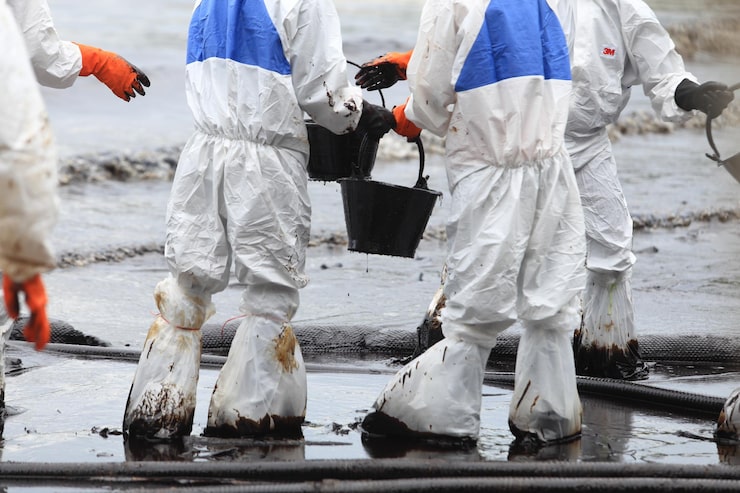

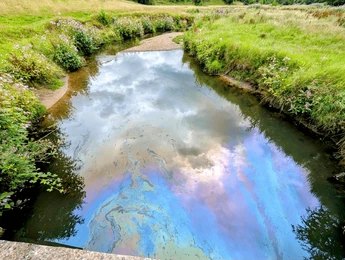
Waterway contamination from chemical spills can harm aquatic ecosystems, and it is legally covered by the Australian government. The cost of a $4,000 spill kit is negligible compared to a $2 million EPA fine and the permanent brand damage of a blue creek on the 6 PM news. So prevent spills instead of planning a post-incident response strategy!
Key Takeaways
- Chemical spills from businesses should never reach the waterways in Australia
- They contribute to water pollution and are legally protected by multiple acts and regulations
- Prevent spills using bunding, spill kits, separating stormwater, handling chemicals safely, and establishing a spill response plan
Chemical spills are not uncommon in Australia. While some are results of unintentional mistakes, the rest are simply careless decision-making outcomes. Recent years saw several water bodies in Australia experience spills, such as a Melbourne creek turning blue because of construction chemicals. Or the 10,000 litres of kerosene and bitumen spill into Smiths Creek, in Cairns. We know these spills are dangerous for both smaller and larger waterbodies.
So, what can we do to prevent these spills from happening altogether? For businesses that are transporting chemicals through waterways or working near waterbodies, this blog will explain some spill preventive measures. Ensure that your business works without posing a threat to the aquatic ecosystems by following the listed preventive measures.
| Action Level | Response Required | Legal Reference |
|---|---|---|
| Tier 1: Minor Leak | Immediate containment with Sorbents/Bunding |
WHS Reg. s357 |
|
Tier 2: Stormwater Entry |
Notify EPA/Local Council within 24 hours | POEO Act (NSW) / EP Act (VIC) |
| Tier 3: Waterway Contamination | Emergency Response (000) & Remediation Plan |
EPBC Act (Federal) |
Table 1: Quick Compliance Guide for Australian Waterway Spill Response
Why Chemical Spills Are a Serious Waterway Threat and What It Means for Businesses
Chemical spills, if not controlled immediately, can become a major source of water pollution that kills aquatic life, destroying their habitat and sources of food. This is true even if the spill happens in stormwater drains, because from there, it flows into creeks, then to rivers, finally reaching the coastal water.
Who is at Risk?
The industries that are most at risk include mining, manufacturing, agriculture, construction, and fuel storage.
Why are these a threat?
- The Protection of the Sea (Prevention of Pollution from Ships) Act 1983 prohibits the discharge of harmful liquid substances in the Australian Exclusive Economic Zone (EEZ) or the Great Barrier Reef Marine Park that are hazardous to the marine environment.
- NSW enforces (maximum for certain Tier 3 environmental offences) a fine amounting to $30,000 for companies for a first offence and $45,000 for a second offence. For individuals, this will be $15,000 for a first offence and $22,500 for a second offence.
- In South Australia, fines can amount to $340,000 for intentionally causing serious environmental harm.
Australian Legal Obligations that Business Should Know
Considering that you can be affected both legally and financially, here is a table summarising the legal aspects to know that are applicable across Australia.
| Legislation / Regulation | Jurisdiction | Key Obligation |
|---|---|---|
|
Environment Protection & Biodiversity Conservation Act 1999 (EPBC Act) |
Federal | Avoid actions that impact national environmental significance (MNES), like waterways and ecosystems, without approval. |
| Work Health & Safety Regulations — s. 357 (Spills & Damage) | All states excl. VIC & WA* |
Businesses must provide a spill containment system in all areas where chemicals are used, stored, handled or generated. Contain spills if possible. |
|
Protection of the Environment Operations Act 1997 (POEO Act) — as amended April 2024 |
NSW | Prohibits water pollution (s. 120). Wilfully or negligently causing a substance to spill in a manner that harms or is likely to harm the environment is a Tier 1 offence (s. 116). |
| Environment Protection Act 2017 (VIC EP Act) — General Environmental Duty (GED) | VIC |
Activities that may harm human health or the environment must take reasonably practicable steps to minimise them (including preventing chemical spills reaching waterways). |
|
Environmental Protection Act 1994 (QLD EP Act) |
QLD | Prohibits environmental nuisance like chemical spills that contaminate waterways and cause “serious environmental harm.” |
| Environmental Protection Act 1986 (WA EP Act) | WA |
Prohibits the discharge of contaminants into waterways. A Contaminated Sites Remediation Plan may be required post-incident. |
Table 2: Legal Obligations Regarding Chemical Spills
Preventing Waterway Contamination from Chemical Spills
Now that we know what businesses should be careful about, here are the ways you can actually prevent chemical spills during transfers or operational discharge.
1. Bunding and Secondary Containment
Your chemical tanks should come with compliant bunds or spill pallets to ensure secondary containment in case of leaks. These bunds help prevent the spills from reaching waterways, and are essential according to “AS1940: The Storage and Handling of Flammable and Combustible Liquids”. The 9 main classes of the Australian Dangerous Goods (ADG) Code classify chemicals as toxic.
Usually, they are designed to accommodate the whole volume of the hazardous substance that is stored in the tank after a leak. You should also consider Secondary Containment for IBCs (Intermediate Bulk Containers), as spills can happen during IBC transfers. In 2026, many sites use IoT sensors for bunding alerts for “Remote Leak Detection” as well.
However, increased storm intensity (La Niña) in Australia requires businesses to re-calculate their bunding capacity to account for rainfall “freeboard”. So strategise accordingly.
2. Spill Kits and On-Site Response Capability
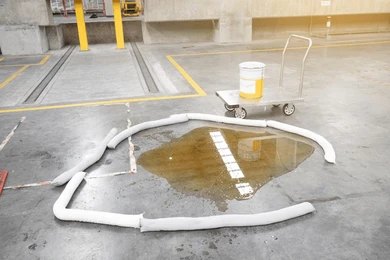
Spill kits, depending on chemical classes, are a must for all businesses dealing with hazardous liquids. These kits are often mentioned as a requirement under the Australian WHS regulations, and they contain the following items:
- Absorbent pads and socks
- PPEs
- Instruction sheet
- Disposal bags and ties
- Labelled bin or carry bag
These are essential items that can help you clean up the spill if you have already contained it and it has not reached any waterway. Furthermore, ensure on-site response capability by training staff and also keeping additional absorbents, boom barriers, and barriers handy.
3. Stormwater Separation and First-Flush Systems
The EPA controls stormwater pollution as per the Environment Protection Act 1993 (different for states other than South Australia), which requires your business to have proper stormwater management plans. Businesses should divert clean stormwater from contaminated zones because polluting stormwater is prohibited in Australia. Identify stormwater locations to know in which direction you can divert the spill. You can use water or oil separators alongside triple interceptors and first-flush systems for this as well.
4. Safe Chemical Handling and Storage Procedures
Businesses should have the correct decanting equipment, covered outdoor storage, and drum racks to make sure chemical spills do not happen. Moreover, according to Safe Work Australia, all businesses working with hazardous chemicals should have Safety Data Sheets (SDS), formerly MSDS, on site. The safety information on these sheets helps your workers to be safe while working with the chemicals. This will make them cautious while handling them, preventing spills.
5. Spill Response Plan/Manual and Staff Training
If you have multiple staff working for your business, you need to instruct them with regular drills and the Hierarchy of Controls application. The table below shows the Hierarchy of Controls that come under the workplace health and safety norms throughout Australia that a business can follow for spill prevention.
| Steps | Action |
|---|---|
| Eliminate Hazards & Risks |
Highest level of protection that offers effective control by eliminating the spill risk at the root |
|
Reduce the Risk |
Reduce spill risks with any one of the following:
|
|
Administrative Controls |
Low level of protection and control is less reliable, as only administrative actions are implemented to minimise hazard exposure |
| Personal Protective Equipment (PPE) |
Lowest level of protection and least reliable when people have to use PPE to protect from harm |
Table 3: Hierarchy of Controls
Also, establish documents for all procedures and incident log obligations so that your staff has manuals and plans to follow when required.
How Environmental Spill Prevention Professionals Help with Remediation
To make sure you are ready to prevent a spill incident, you need to speak with a professional environmental consultant. With a professional consultant from us, you get site-specific risk assessments, Remedial Action Plans (RAPs), and compliance monitoring.
What You Should Do When a Spill Happens
In the case of a spill, here are some steps that you can implement:
- First, try stopping the spill source, only if it is safe
- Contain the spill as explained in preventive measures 1 and 2 using booms or absorbents
- If you are using a spill kit:
- Put On PPE
- Contain the Spill
- Absorb the Liquid
- Dispose of Used Materials
- Restock the Spill Kit
- Notify relevant authorities, such as the Environment Protection Authority (managed through state-based bodies instead of a federal agency), local council, or simply dial your state EPA’s environment line in case of large hazardous incident, such as major chemical spillsEPA 24/7 Hotline Numbers: NSW EPA Environment Line (131 555), Victoria EPA (1300 372 842), SA EPA (08 8204 2004), and https://www.epa.wa.gov.au/contact-us for WA.
- Document the incident and prepare a report after it is contained
- Hire certified professionals for remediation and necessary spill response
- Also, ensure that the contaminated cleanup water is tracked and disposed of in accordance with state regulations because it is classified as hazardous waste
Given below is a Spill Response Decision Tree for corporations to take quick actions. The tree is rooted in a single question: Is it a “Reportable Incident”?
Step 1: Has the liquid left your property or entered a drain?
- No: Contain, clean, and log internally.
- Yes: Proceed to Step 2.
Step 2: Is there “Material Harm” (potential cleanup costs > $10,000 or significant environmental impact)?
- Yes: Immediate Notification Required (Call the State EPA).
- No: Log and monitor; notification may still be a “Best Practice” to avoid future liability.
Also Read: When to Call a Spill Response Team: The 5-Minute Decision Framework
Protecting Australia’s Waterways Begins with Proactive Spill Incident Planning!
Prevention is always cheaper than remediation, especially when there are regulatory obligations to consider. If your business handles hazardous chemicals, SERS can help you with a spill response plan and ensure site compliance.
Frequently Asked Questions
1. How Long After a Chemical Spill Occurs Should I Inform Authorities?
Considering Australian state laws, inform the authorities immediately, be it the EPA or any other relevant body. Delays can result in additional penalties, regardless of whether the spill was accidental or not.
2. Does My Business Insurance Cover the Fines in Case of Spills?
Business policies with a “sudden and accidental” clause might cover pollution cleanup costs but not the statutory fines or penalties imposed by the government.
3. Do I Have to Label and Sign Chemical Storage Areas?
Yes, under the GHS (Globally Harmonised System) and ADG Code, there should be placarding and warning signs visible from a distance.
4. How Often Should Our Business Conduct Spill Response Training and Equipment Audits?
We recommend quarterly drills and monthly kit inspections to remain compliant and ready to manage spills. You can also contact SERS for professional staff training and site-specific audits anytime.
5. Does My Business Need a Specific License for Transporting Chemical Waste After a Spill?
Yes, transporting hazardous waste requires EPA-licensed vehicles. If you need help, hire SERS to get certified remediation services to ensure all contaminated materials are tracked and disposed of legally.