
An effective workplace spill response kit must contain appropriate absorbents, personal protective equipment, containment barriers, and disposal bags. Matching the kit components to specific on-site chemical profiles ensures regulatory compliance and safety.
Key Takeaways
- Match absorbents directly to your specific workplace chemical hazards.
- Never deploy a spill kit without adequate Personal Protective Equipment.
- Proper disposal of materials prevents severe environmental contamination and hefty fines.
In any modern industrial workplace, unprecedented chemical spills can constitute unavoidable risks. A properly stocked spill response kit can protect your workers from harmful chemical exposures without delay. It acts like an industrial first-aid kit, which reduces facility downtime and aligns precisely with Australian environmental protection regulations.
This blog will highlight what should be incorporated in a workplace spill response kit to evaluate prevention measures during the time of emergencies.
Crucial Absorbent Materials Tailored to Workplace Hazards
In a workplace spill response kit, absorbent materials are included to manage the liquid messes and soak up the chemical spill. The types of absorbents included in the kit entirely depend on the specific liquids or chemicals used on-site. If the wrong absorbent is used to contain dangerous chemicals, it can trigger reactions or slow down the cleanup activities.
Here are some general universal absorbents included in the workplace spill response kits:
General Universal Absorbents
- Grey Maintenance Pads: These maintenance pads absorb water, coolants, mild chemicals, and common workshop oils effectively.
- Universal Absorbent Powders: These mineral-based granules quickly solidify liquid spills on uneven floor surfaces.
- Super Absorbent Pillows: These bulky items soak up high volumes of non-aggressive liquids rapidly.
Apart from these, there are some absorbents in common spill response kits that are efficient in managing specialised hydrophobic oils. Polypropylene oil sheets and organic peat absorbents are a sustainable option for breaking down oil spills.
Essential Personal Protective Equipment for First Responders
During an emergency spill cleanup procedure, personal protection remains the top priority. An unknown spill should never be approached without wearing appropriate protective gear first. So, it is important to include personal protective equipment (PPE) in the spill response kit in the workplace.
Here are the essential body protection gear that are included in the spill response kits for the safety of first responders:
Heavy Duty Nitrile Gloves
Gloves are a crucial part of PPE while dealing with spills. Usually, some form of sturdy, waterproof, or nitrile glove is used in a protective kit to protect your hands against unknown, dangerous liquids.
Chemical-Resistant Boots
These chemical-resistant boots are designed to protect the responders’ feet from harmful, corrosive, or toxic liquids or other substances. They are specifically constructed to maintain grip on slick, contaminated floors, minimising the risk of slips and falls.
Full-face Safety Goggles
Safety goggles are required to safeguard your eyes from hazardous liquids and other materials. Furthermore, they also keep your eyes safe from fumes, which is particularly important when dealing with spilled chemicals or other perilous materials.
Half-face Respirator Masks
These half-face respirator masks utilise specialised carbon cartridges to neutralise dangerous organic chemical fumes.
At SERS, we take spills very seriously. For larger spills (≥ 6 Gallons), we deploy an expert team equipped with vacuum trucks, skimmers, and Hazmat-grade PPE. During the cleanup process, we follow the HazMat instructions.
Heavy-Duty Containment Barriers and Clean-Up Tools
To reduce the impact or spread of the liquid spill, specialised containment tools can be used. These containment instruments allow the primary response teams to separate the hazardous material as soon as possible.
Once contained, mechanical cleanup tools ensure the saturated materials are collected safely without hand contact.
Spill Isolation and Diversion Tools
Here are some isolation and diversion tools that are used to manage the spread of the spill.
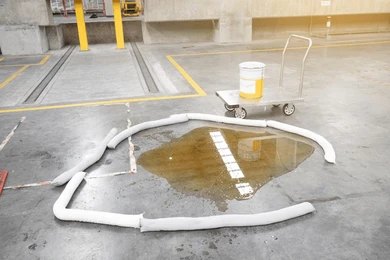
- Flexible Containment Socks: These long tubes form a tight physical barrier around large pooling spills.
- Polyurethane Drain Mats: These heavy mats seal stormwater drains completely to prevent toxic runoff pollution.
- Malleable Plugging Compounds: This putty seals punctured storage drums quickly to stop leaks at the source.
Mechanical Debris Collection Equipment
The following are some mechanical debris collection tools.
- Non-Sparking Plastic Shovels: These tools eliminate ignition risks when scooping up highly flammable chemical absorbents.
- Industrial Whisks and Dustpans: These allow rapid collection of saturated granules from tight workshop corners.
- Heavy-Duty Push Brooms: These brooms help spread loose absorbent powders evenly across massive warehouse floor spills.
Final Thoughts
To achieve high-standard operational safety, equipping your workplace with a 360-degree spill response kit is very important. Including the right absorbents, protective gear, and containment barriers in the spill response kit can mitigate the environmental liabilities effectively.
So, keep doing regular kit audits to ensure your business remains fully compliant and prepared for any liquid emergency. If a kit audit cannot sustain the oil spill, here is how a 5-min decision framework can help you decide if you need to call the professionals in.
Partner with SERS for Premium Workplace Safety Solutions!
Looking to maintain optimal workplace safety and guarantee worker safety? For any emergency chemical spill situation at your workplace, you can consult with SERS to get a prompt spill response. We offer comprehensive workplace risk assessments, professional spill kit supply, and targeted staff training programs across Australia.
Frequently Asked Questions
How Often Should Workplace Spill Kits Undergo Compliance Inspections?
Spill kits require visual inspections at least once a month. Full inventory audits should occur every six months or immediately following any emergency deployment to replace used items.
Can We Store Workplace Spill Response Kits Outdoors?
Yes, but they must reside inside highly durable, UV-resistant, and weatherproof wheelie bins. This prevents rainwater ingress from degrading the absorbent materials and damaging internal paper instructions.
What Color Coding Standard Applies to Australian Spill Kits?
Generally, yellow bins signify chemical kits, white or blue represent oil and fuel kits, and red or grey indicate general-purpose maintenance kits for easy workplace identification.
How Do We Legally Discard Used Chemical Spill Absorbents?
Saturated absorbents must match the waste classification of the spilled liquid. You must hire a licensed hazardous waste contractor to collect and legally dispose of the materials.
What is the Shelf Life of Universal Absorbent Pads?
High-quality polypropylene absorbent pads have an indefinite shelf life if stored away from direct sunlight, moisture, and extreme heat. Regularly inspect them for signs of brittleness or dust accumulation.