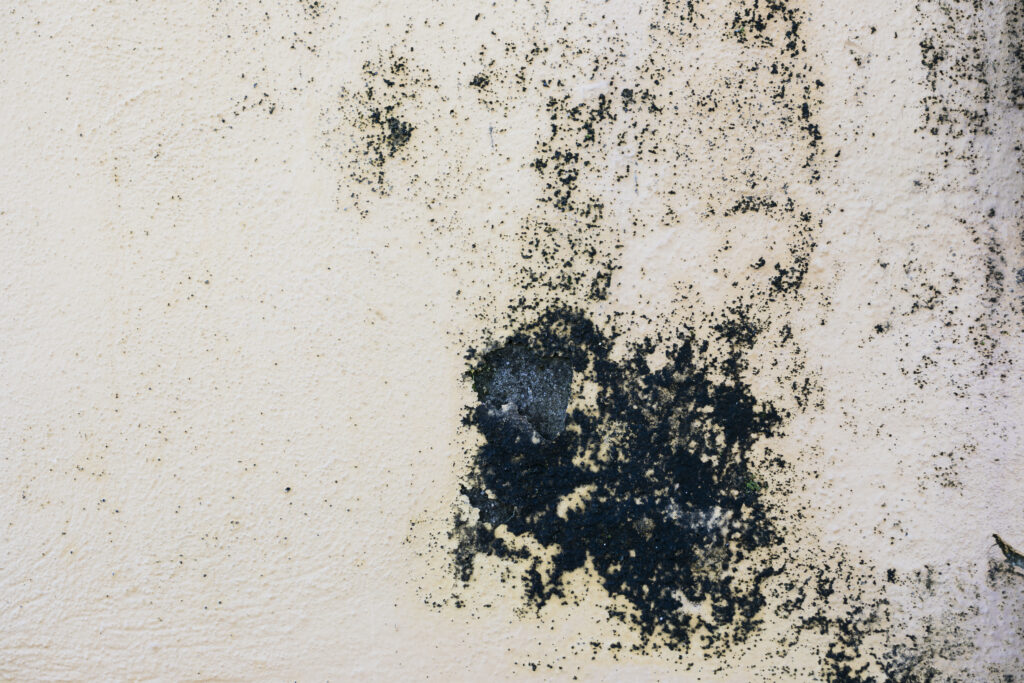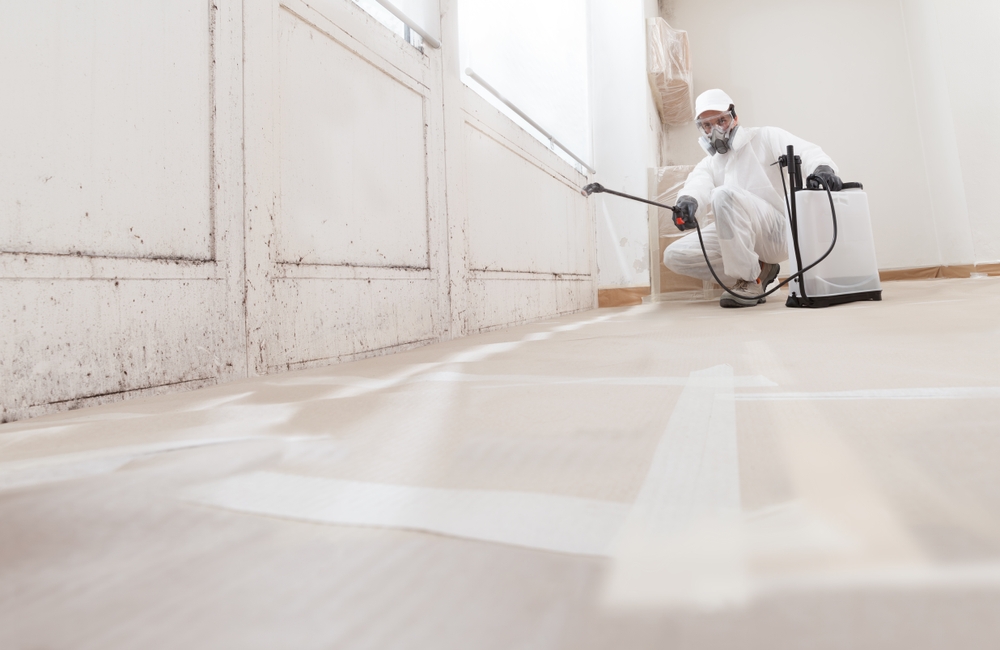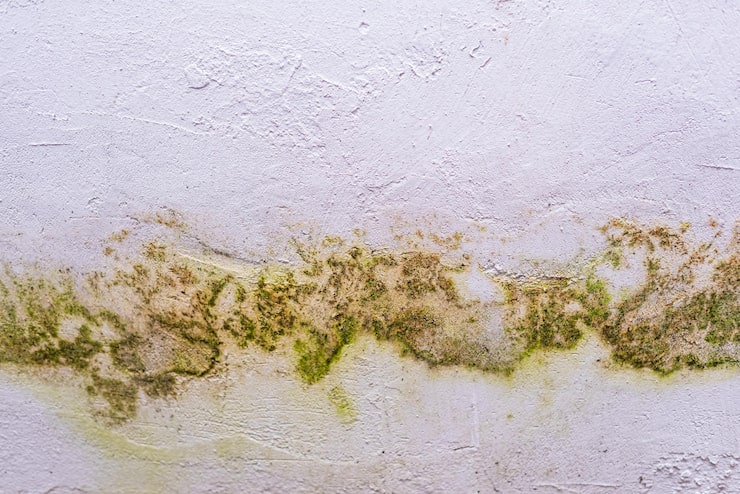

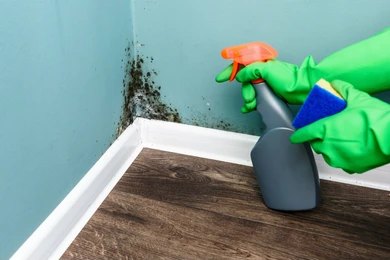
Mould in schools is not just a maintenance issue. Rather, it is a health and safety obligation. Australian schools have a duty of care to students, staff, and visitors that extends directly to indoor air quality and environmental hazard management.
Key Takeaway
- Mould is a legal obligation: Managing mould in Australian schools is a mandatory health and safety requirement, not a minor maintenance issue.
- Students face serious health risks: Classroom mould can cause asthma flare-ups, respiratory problems, and fatigue in developing children.
- School buildings are highly vulnerable: Ageing infrastructure, portable classrooms, and poor ventilation create ideal conditions for mould to grow.
- Proactive, professional management is required: Schools must use structured testing, moisture audits, and proper containment rather than just wiping away visible patches.
Schools across Australia face a genuine mould challenge. Ageing building stock, high occupant density, and limited natural ventilation create the ideal place for mould to grow. On top of all that, Australia’s increasingly variable weather patterns pose an additional challenge, resulting in rapid spread of mould before it becomes visually obvious.
This is what makes it necessary for school principals, facilities managers, and school boards to look into the matter. They need to understand their responsibilities for health and safety regarding mould in schools. It is essential to know how to meet these obligations.
Why Mould in Schools Is a Priority Health Issue
Exposure in children and adolescents is not just about their age. Their respiratory systems are still developing, their immune responses differ from adults, and they spend a significant proportion of their waking hours inside school buildings.
Elevated mould spore concentrations in classrooms, libraries, and common areas are directly linked to:
- Increased rates of asthma exacerbation and new-onset respiratory conditions
- Rhinitis, persistent coughing, and eye irritation among students and staff
- Fatigue, concentration difficulties, and absenteeism
- Serious hypersensitivity reactions in immunocompromised individuals
When staff or students report recurring symptoms that improve on weekends and holidays, mould in the indoor environment should be one of the first considerations assessed.
The Legal Framework: Occupational Health and Safety for Schools
Australian schools, irrespective of whether government, Catholic, or independent, are workplaces under WHS legislation. This means the occupational health and safety for schools framework applies in the same way it applies to any other identified workplace hazard.
Key obligations under the relevant frameworks include:
|
Obligation |
What It Requires |
| Duty of Care (WHS Act) |
Identify, assess, and control foreseeable health risks, including indoor air quality |
|
General Environmental Duty |
Minimise and eliminate harmful environmental conditions within the school’s control |
| Incident Reporting |
Document and report health complaints that may relate to building conditions |
|
Consultation |
Consult with staff health and safety representatives before and during remediation |
| Record Keeping |
Maintain documented evidence of assessments, actions taken, and clearance results |
Table: Key Obligations for Schools and What It Requires
Common Causes of Mould in Australian Schools
School buildings carry a specific set of risk factors that make them more vulnerable to mould than many other building types.
High-risk conditions in Australian schools include:
- Portable and Demountable Classrooms: Poor underfloor ventilation, ageing seals, and condensation on single-glazed windows create chronically damp conditions.
- Poor HVAC Maintenance: Shared air handling systems that are not regularly inspected distribute elevated spore counts across multiple rooms simultaneously.
- Roof and Gutter Defects: Older school buildings frequently have ageing roofing infrastructure where water ingress goes undetected for extended periods.
- Dense Occupancy: High CO₂ levels and body moisture from large numbers of students in enclosed rooms drive relative humidity upward, feeding mould growth.
- Inadequate After-hours Ventilation: Buildings closed overnight with no ventilation allow humidity to accumulate on surfaces, particularly in winter.
How Schools Can Meet Health and Safety Requirements: A Practical Approach
Meeting health and safety obligations around mould in schools requires a documented, proportionate, and evidence-based approach, not reactive spot-cleaning.
- Step 1: Baseline indoor air quality assessment: Professional air sampling to quantify spore counts across different building areas. This establishes what the actual risk level is before any remediation is planned.
- Step 2: Moisture audit: Thermal imaging and moisture metering to identify all active and residual moisture sources driving mould growth.
- Step 3: Risk prioritisation: Rank spaces by occupancy, vulnerability of users, and severity of contamination. Classrooms with young children or students with asthma should be prioritised.
- Step 4: Remediation under containment: Remove mould-affected materials under appropriate containment to prevent spore dispersal to adjacent spaces.
- Step 5: HVAC inspection and decontamination: Inspect and clean all air handling units, filters, drain pans, and ductwork servicing affected areas.
- Step 6: Post-remediation air sampling: Independent clearance sampling to confirm spore counts have returned to acceptable levels before the space is reoccupied.
- Step 7: Preventive maintenance program: Establish regular inspection cycles, ventilation checks, and moisture monitoring as part of the school’s ongoing facilities management.
Communicating With the School Community During a Mould Response
One of the most consistently mishandled aspects of mould in schools is communication. Schools have an obligation to keep staff, parents, and students appropriately informed, while avoiding unnecessary alarm.
Best-practice communication during a school mould response includes:
- Notifying staff health and safety representatives at the point of concern identification
- Providing factual, measured updates to parents during active remediation without speculation on health impacts
- Sharing post-remediation clearance results with the school community as evidence of resolution
- Documenting all communication as part of the school’s incident management records
Transparency protects the school community and demonstrates that the school’s leadership is meeting its occupational health and safety for schools obligations in good faith.
Expert Environmental Health Assessments with SERS
SERS provides indoor air quality assessments, mould spore air monitoring, and post-remediation clearance services for schools across Perth, Brisbane, Sydney, and Newcastle. Our NATA-accredited laboratory processes samples to Australian standards, and our consultants work around school timetables to minimise disruption to learning.
If your school has identified visible mould, received staff or parent complaints, or simply wants to proactively assess indoor air quality, contact the SERS team today for an obligation-free consultation.
Frequently Asked Questions
Who Is Responsible for Mould Management in a Government School?
The state education department is the holds all responsibilities for mould management in government school buildings. But principals carry day-to-day responsibility for identifying and escalating building health concerns.
At What Spore Count Level Should a Classroom Be Vacated?
There is no single nationally mandated threshold in Australia. But AIOH and international guidance suggest that indoor spore counts are significantly elevated above outdoor baseline or the presence of some species at any detectable level.
Can Schools Use Standard Cleaning Products to Remove Mould From Classrooms?
Surface cleaning with appropriate biocidal products is great for managing minor, isolated mould growth on non-porous surfaces. But this is not an adequate response to mould on porous materials like plasterboard, carpet, or ceiling tiles, or where the underlying moisture source has not been resolved.
How Often Should Australian Schools Conduct Indoor Air Quality Assessments?
There is no mandated inspection frequency in Australian legislation. But an annual baseline assessment is always great.
Is Mould in a School Portable Classroom Treated Differently From a Permanent Building?
The health and safety obligations are identical. But portable classrooms often have distinct risk factors like underfloor dampness, inadequate ventilation, and ageing building fabric. This makes them disproportionately likely to harbour mould.