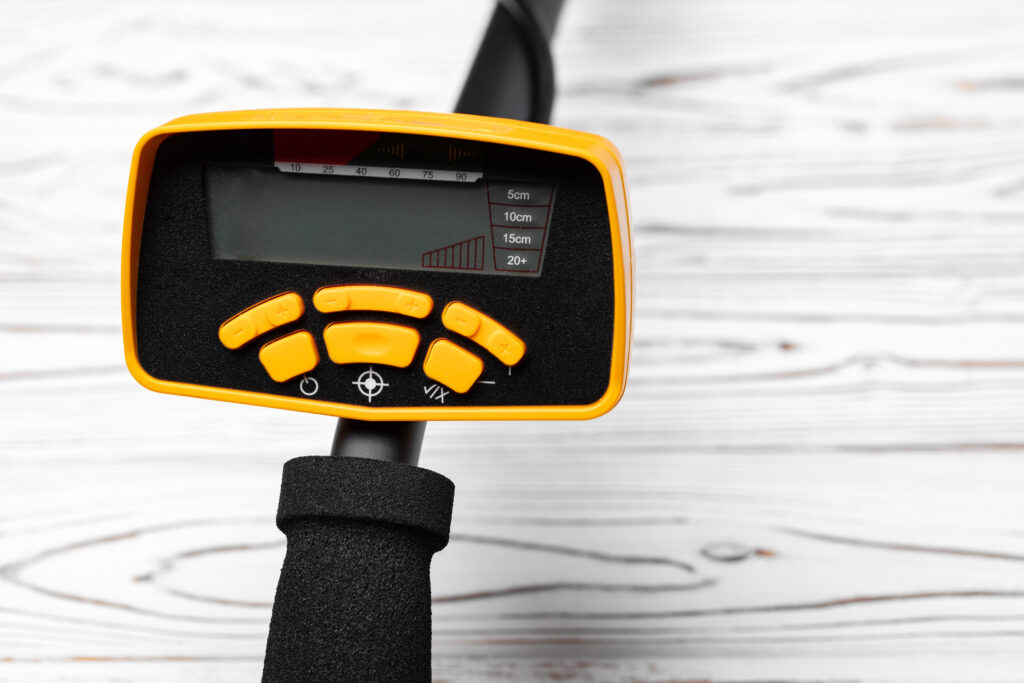

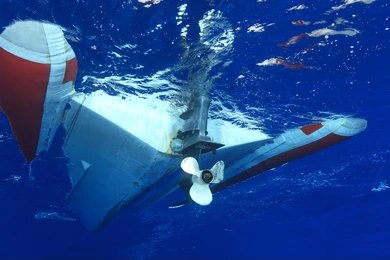
Marine noise pollution can disrupt critical behaviour in underwater species. It can disrupt communication, navigation, and foraging patterns. Overall, excessive underwater noise levels affect fragile marine ecosystems.
Key Takeaways
- Major sources: Shipping, seismic surveys, coastal development, recreation, and defence activities are the primary sources of marine noise pollution in Australian waters.
- Impact on marine life: Excessive underwater noise can disrupt communication, navigation, foraging, migration, and breeding, while causing stress and potential hearing damage.
- Vulnerable ecosystems: Whales, dolphins, fish, invertebrates, the Great Barrier Reef, and sensitive areas such as the Torres Strait face significant risks from increasing underwater noise.
- Need for mitigation: Stronger regulations, quieter technologies, operational changes, continuous noise monitoring, and professional remediation can help reduce marine noise pollution and protect Australia’s marine ecosystems.
The vast and diverse marine environments of Australia are home to unique and sensitive wildlife. However, the serenity of its coastal waters is being affected by the growing invisible threat of marine noise pollution. Excessive man-made sound is generated by human activities like shipping and seismic surveys. This interferes with the ability of marine animals to communicate, navigate, and survive. If you want to learn more about marine noise pollution in Australia, then keep reading.
Sources of Noise Pollution in Australian Waters
In Australia, marine noise pollution mainly stems from shipping, intense seismic surveys, coastal activities, and military sonar. These activities impact whales, dolphins, and fish species by disrupting their communication and navigation. Here are the key sources of marine noise pollution in Australia.
- Commercial Shipping: This is the loudest and most continuous source of marine noise pollution in Australia, especially near busy shipping lanes and major ports. Commercial shipping creates persistent low-frequency noise.
- Seismic Exploration: Oil and gas exploration involves the use of high-intensity airgun blasts repeatedly. This causes significant marine noise pollution near offshore sites like the North West Shelf.
- Coastal Development & Recreation: High-speed vessels, pile driving, and dredging for ports generate significant noise in nearshore areas. The noise affects the coastal habitats in Australia.
- Defence Activities: Naval exercises and sonar impact on underwater noise levels. Marine noise pollution from defence activities is significant in the areas used for training.
How does noise pollution affect marine life? Man-made noises mask natural sounds in marine environments, which may require occupational noise testing. It becomes difficult for marine mammals to communicate, navigate, and find food. The noises can also cause physical harm to marine species, thus affecting the health of the overall ecosystem. This is why marine noise control is necessary in Australia.
Also Read: How Contaminated Aquifers Are Silently Polluting Australia’s Seas
Impacts on Australia’s Marine Life
Here is how marine noise pollution affects the diverse underwater ecosystem of Australia.
Physiological and Behavioural Effects
Marine animals heavily rely on sound for navigation, communication, and foraging. So, marine noise pollution affects the behaviour and physiology of a variety of species. It leads to chronic stress responses and noise-induced hearing damage. It also forces the species to alter their foraging strategies. Moreover, excessive underwater noise masks their communication signals.
Impact on Iconic Australian Mammals
Chronic exposure to high levels of noise disrupts the complex echolocation systems that species like dolphins and whales use for navigating, finding food, and social interactions.
One particular concern is the impact of marine noise pollution on the migration of species along critical routes, such as the Humpback Highway along the coast. Increased levels of noise disorient migrating pods, which causes them to divert their paths.
Effects on Fishes and Invertebrates
Marine noise pollution also severely affects fish and invertebrates. Elevated levels of underwater noise cause stress in fish and also interrupt their schooling behaviour. The noise also negatively impacts the sensitive larval development and life cycles of crustaceans and squids.
Sensitive areas like the Great Barrier Reef already face a number of stressors, and excessive underwater noise further contributes to the pressures of noise pollution and climate change. Areas like the Torres Strait are also designated as a Particularly Sensitive Sea Area (PSSA) by the International Maritime Organisation (IMO). So, marine noise control is necessary to protect these fragile ecosystems.
Also Read: How Land Contamination Threatens Australia’s Oceans and Coastlines
Solutions and Mitigation Efforts
Excessive levels of noise in marine Australia severely impact underwater ecosystems. However, here are some solutions that can be implemented.
- Regulatory Framework: There is a need to strengthen the Environment Protection and Biodiversity Conservation (EPBC) Act 1999. Specific noise limits must be established by leveraging the existing Reef 2050 Plan.
- Technological Solutions: It is important to promote quieter ship propellers, improve engine mounting, and optimise hull design. Noise-dampening systems must also be used during underwater or coastal construction.
- Operational Changes: Mandatory slowdowns must be implemented in critical habitats like feeding and breeding grounds. Seasonal “quiet zones” must be established.
- Public Awareness and Research: Research and public campaigns must be funded to build pressure for policy and industry action. There is a need to address the gap between science and legislation.
- Noise Monitoring and Remediation: Professional noise remediation services must be utilised for continuously monitoring marine noise levels and applying remediation actions.
Ready for Marine Noise Control?
Marine noise pollution in Australian waters stems mainly from shipping activities and seismic surveys. The noise causes a range of harm to marine life, leading to communication disruption, behavioural changes, habitat avoidance, and physical injury. Hence, focus must be placed on mitigation efforts.
Operational changes, technological innovation, and protective policies can help control the issue. But if a more efficient and proactive solution is needed, then professional remediation services can be effective. So, reach out to SERS today!
Frequently Asked Questions
Which Species Are the Most Vulnerable to Marine Noise Pollution in Australia?
The species that are the most vulnerable to marine noise pollution in Australia include whales and dolphins, as they heavily rely on echolocation. But the issue also severely affects sharks, fish, and invertebrates like squid and pearl oysters.
How Does Marine Noise Pollution in Australia Compare to Other Parts of the World?
In general, Australian waters have less overall shipping noise compared to what you will record in the northern hemisphere. The natural sounds usually dominate the soundscape. However, you can expect high noise levels near major ports and shipping lanes.
Does Marine Noise Pollution Cause Harm to Humans?
The direct physical harms to humans as a result of noise in marine environments is less studied. However, the impacts on marine ecosystems can indirectly affect human lives by affecting food security and the pearl industry.