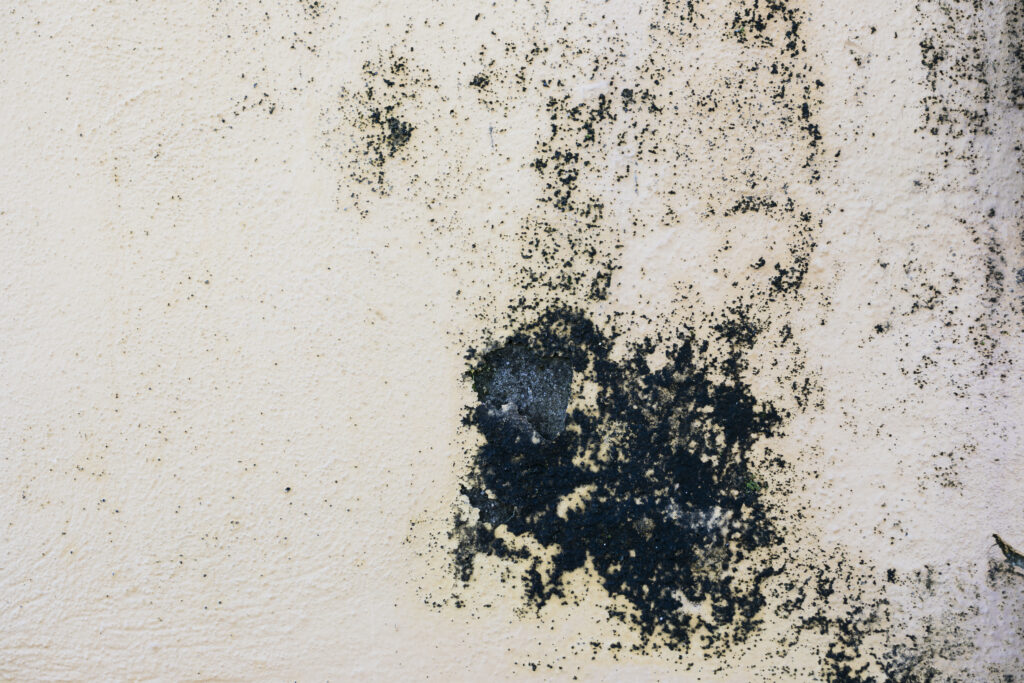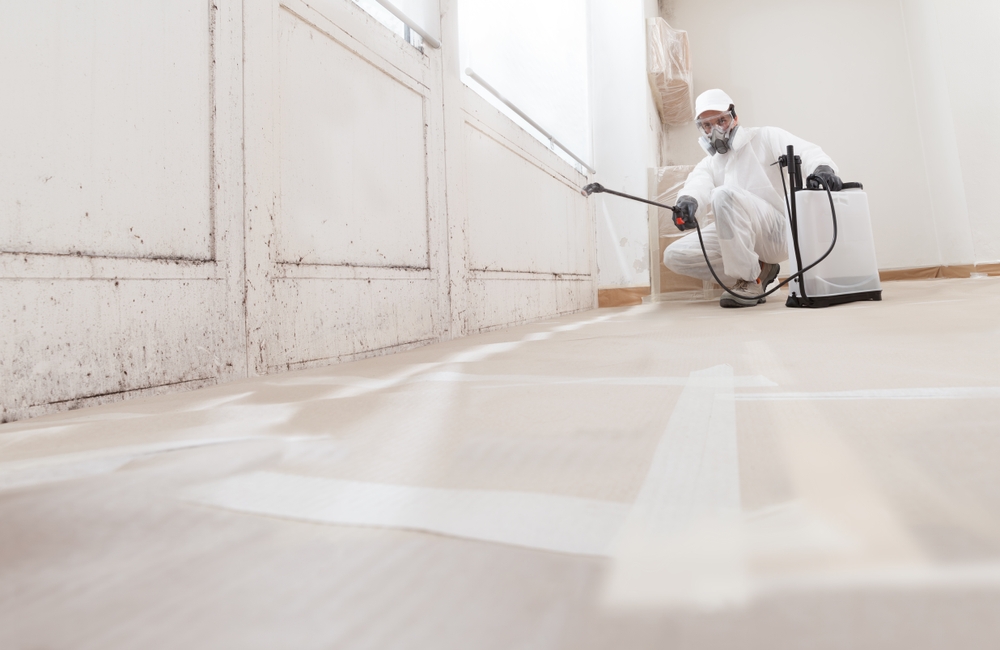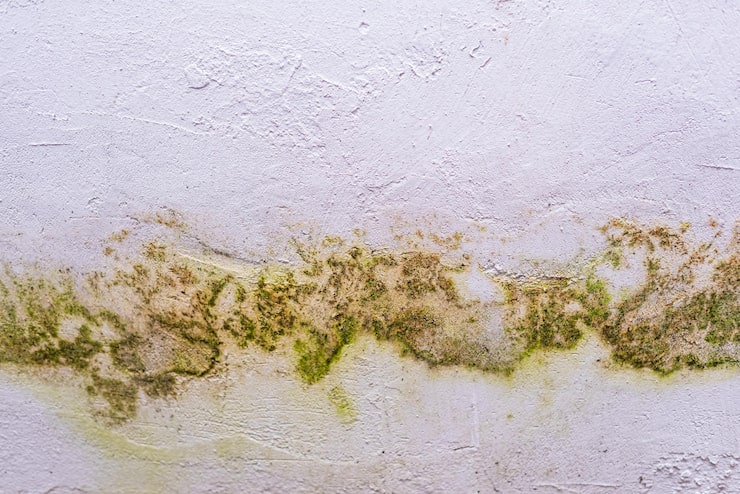

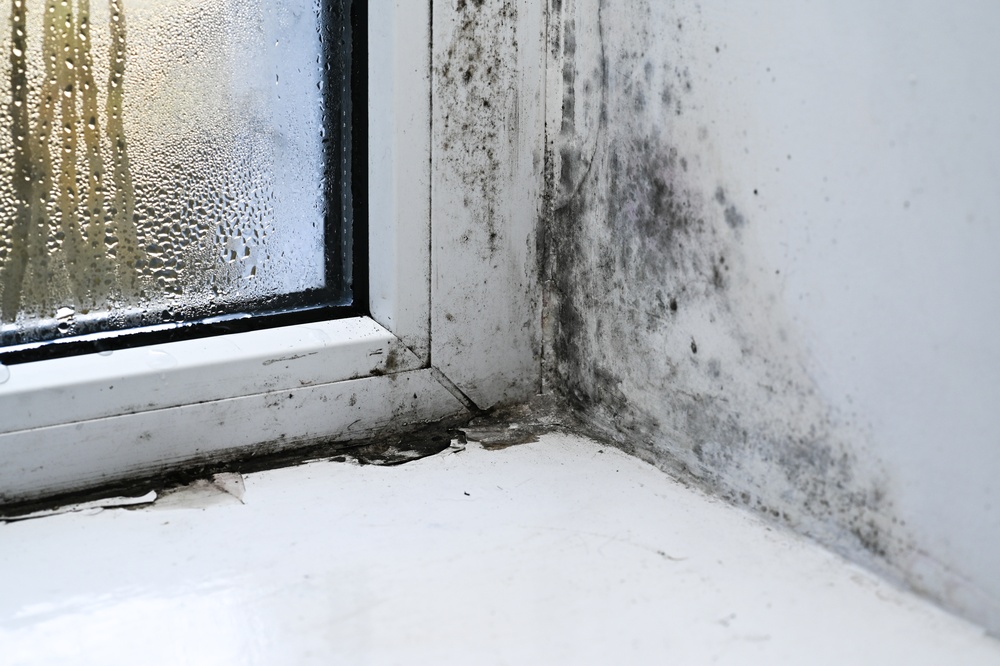
Mould affects all buildings that are not ventilated well and have damp areas, including schools. Libraries and classrooms are more prone to dampness and mould than any other areas in educational premises. Know the top 10 ways schools can prevent mould in libraries and classrooms.
Key Takeaways
- The most effective ways schools can prevent mould include controlling humidity, maintaining HVAC systems, and using dehumidifiers
- They should also consider fixing leaks within 24 to 48 hours and commissioning professional mould assessments from NATA-accredited providers
- Schools can also set up separate climate control measures specifically for libraries, labs, and art rooms
Mould in classrooms and libraries is not just a building issue. It is an actual health and safety hazard and a compliance obligation covered by the Australian WHS law. Unmanaged mould in a school library can turn a $500,000 collection of archival history into hazardous waste in a single humid summer.
Moreover, Australia’s humid tropical and subtropical as well as coastal climates, including the La Niña cycles, cause mould in almost all buildings. For example, as of 2025, there was a surge of 12% in mould removal tasks, which indicates mould to be a growing problem. So, rather than implementing mould removal services, it would be better to know how to prevent mould development before it becomes a hazard. Read on to learn the top 10 tips.
Why Are Australian Schools Susceptible to Moulds?
Most school buildings are often old with poor insulation and might have been made with materials that easily absorb moisture, causing thermal bridging. This reasoning is applicable more, considering the climate of Australia, as mentioned in the previous section. Schools also remain closed for about 6 to 14 weeks every summer break, keeping the building’s humidity unchecked. The rooms also remain unventilated during those days when everything is closed, which is the reason for mould to develop.
| Risk Factor | Impact on Mould Growth | Technical Detail |
|---|---|---|
| Porous Substrates | High moisture retention | Use of untreated timber and uninsulated gypsum board. |
| Thermal Bridging | Condensation localized on walls | Poor insulation in older “legacy” school buildings. |
| Extended Stagnation | Unregulated Relative Humidity (RH) | 6–14 week holiday closures with inactive HVAC systems. |
| Organic Load | Nutrient source for fungi | High concentrations of cellulose (paper, library archives, leather). |
Table 1: Mould Development Factors
Moreover, there are loads of organic materials (paper, fabric, leather) rich in cellulose and proteins in libraries that are prone to mould. And most mould problems stay hidden or undetected by the naked eye until they develop further. These are the reasons why mould development cannot be evaded, and facility managers should have a legal duty of care regarding these.
The 10 Tips You Should Remember
The following are the top 10 ways you can prevent mould in school classrooms and libraries, making the space safe and healthy for students and staff.
Tip 1: Control Indoor Humidity Levels
The ideal and healthy humidity levels for human comfort range between 40 to 60% RH (relative humidity). So, it is better if you keep the humidity levels in the classrooms and library between this range. While air conditioning is common, you can also consider using dehumidifiers to maintain the optimal range. Stable humidity can help keep papers, archival materials, and vellum from degradation. You can also try using humidity data loggers for high-risk rooms to ensure consistent monitoring.
Tip 2: Maintain and Service HVAC Systems Regularly
If there are dirty filters or blocked ducts anywhere in the premises, that is where the issue begins. They are the number one carriers of mould spores throughout a closed building. Always schedule bi-annual HVAC servicing and replace filters every 3 months. Especially if your school is in high-humidity zones, such as QLD or coastal NSW. Also, if holidays are ongoing, DO NOT shut the HVAC off. Without active HVAC dehumidification, indoor Relative Humidity (RH) can frequently exceed 60%, the threshold for mould germination. Ensure that the rooms allow at least a minimum airflow to prevent high humidity.
Tip 3: Fix Leaks and Water Damage Within 24 to 48 Hours
If the surface is damp, moulds can colonise those surfaces within 24 to 48 hours, considering Australia’s climate. Moreover, if there are other problems in the school building, like roof leaks, condensation under windows, and plumbing drips, they trigger mould. Ensure that there is a maintenance reporting protocol followed by every staff member. This will allow them to note down water incidents when they come across one.
Tip 4: Improve Classroom and Library Ventilation
If it is safe, where possible, keep the windows open and install exhaust fans in wet areas (art rooms, pantry, or bathrooms) where you cannot leave the windows open. For classrooms, try options like cross-ventilation. Libraries should have independent ventilation circuits and avoid sharing ducts for these rooms with bathrooms or kitchens. You should also consider microbial control of air-handling and water systems in buildings as per the AS/NZS 3666 regulations. Check the ventilation during and after seasonal rainfalls, which are common in Brisbane and Sydney.
Tip 5: Eliminate Carpets in High-Moisture Areas
If your building has carpets near sinks, below windows, or drinking fountains, that is where mould growth begins. These carpets cannot be easily remediated properly. It is better to replace these carpets with hard flooring in science labs and art rooms where students use water regularly. For libraries, consider installing hard flooring under bookshelves where air circulation is limited.
Tip 6: Maintain Cleaning Routines During the School Holidays Proactively
From December to January, the schools in Australia remain closed, allowing mould growth without interruptions. Keep one staff member assigned for inspection who will also ventilate the rooms at least weekly. This helps avoid school absenteeism due to illnesses caused by poor air quality after the school reopens. Indoor air quality (IAQ) in schools can also affect students’ health, cognitive development, and subsequently their academic performance, which shows in their NAPLAN scores. Set automatic humidity alerts and ensure that the HVAC maintains basic healthy airflow.
Tip 7: Conduct Professional Mould Inspections
Mould, if it remains unchecked, can cause allergies, asthma, a weak immune system, and chronic lung diseases. Almost half of the mould inspections that are done visually miss out on the actual problem. Especially when the mould growth is behind walls, in ceiling cavities, and under floors. Hire NATA-accredited remediation services like ours for professional mould testing and assessment services. These services should also comply with the “Occupational Safety and Health Act 1984” if your school is located in Western Australia.
Tip 8: Train School Staff to Identify and Report Moulds Early
The school staff should be aware of the signs that indicate mould development. Instruct them to report to the maintenance staff if they come across any musty smell or discolouration around the premises. Provide a simple mould-identification manual to all the staff with information on the reporting chain. Like who they should call or what they should take a photo of. Musty smell, water stains, and condensation on windows are all signs of mould.
Tip 9: Protect Library Collections with Proper Climate Control Measures
School libraries are the major mould-prone environments because of the organic materials they house. Mould can cause old books and papers to start foxing. The recommended environmental standard for paper-based collections in temperate locations like Sydney libraries, by the Australian Institute for Conservation of Cultural Material (AICCM), is 15°C and 25°C and the relative humidity (RH) between 45% and 55% RH, with occasional larger short-term fluctuations to 40% or 60%.
It is suggested to use climate monitoring in these rooms that are separate from the general HVAC system in the building. Moreover, isolate and freeze any mould-affected materials when identified and avoid attempting to clean them yourself.
Tip 10: Ensure Proactive Mould Management
Lastly, under the “Work Health and Safety Act 2011” and “Work Health and Safety Regulation 2025”, school heads and facility managers must ensure a safe environment for workers. As well as students. These acts also mention the need for proactive risk management instead of simple cleanups. Document all the inspections, maintenance actions, and remediation services to offer evidence during complaints, audits, or legal actions.
Here’s a Technical Specification Guide you can follow
|
Factor |
Recommended Standard | Reference/Standard |
|---|---|---|
|
Relative Humidity (RH) |
45% – 55% |
ASHRAE / WHO IAQ Guidelines |
| Temperature (Library) | 20°C – 22°C |
ALIA (Australian Library & Information Assoc.) |
| Inspection Frequency | Bi-annual (Pre-Winter / Pre-Summer) |
WHS Proactive Risk Management |
Table 2: Technical Specs
Have You Already Identified Mould in Your School? Try This “Immediate Triage” Action Plan
Do not scrub it off with detergent! Here’s what you should do within the first 24 hours:
- Isolate the Area: Shut down the HVAC zone for the affected library or classroom immediately to prevent cross-contamination of spores.
- The “Bleach Ban”: Inform the board that bleach only kills surface mould and leaves the water behind, which feeds the underlying “roots” (hyphae). Professional remediation is the only way to ensure structural integrity.
- Inventory Preservation: Specifically for libraries, recommend a “Zero-Touch” policy for archival materials. Handling mouldy books without proper PPE can lead to “spore plumes” that infect the rest of the collection.
Don’t Wait for the Mould to Turn into a Risk. Get It Remediated Now!
If you do not have proper mould check protocols running in your school, it is high time you get them done! And hire a proper mould assessment and testing service to make sure your school does not become a health hazard for staff and students.
Frequently Asked Questions
Is All Mould Harmful?
No, but indoor mould is harmful and should never be ignored. Because mould in damp buildings can cause nasal congestion, sneezing, cough, skin or eye irritation.
Can Mould Return After Removal?
Yes, mould can return if the moisture source is still intact. So, during mould removal, you need to ensure that the source of dampness and moisture is taken care of, rather than only cleaning the visible surface.
Who is at Greatest Risk of Health Problems From Contact With Mould?
People who have allergies, breathing conditions, weakened immune systems (such as people with HIV infection, cancer patients on chemotherapy), and those with chronic lung diseases are at greater risk of mould infection.
How Do You Test Mould in Schools?
Mould assessment services use air sampling, moisture mapping, and surface swabs that are tested at NATA-accredited labs by professionals like our Site Environmental and Remediation Services. This is needed because visual inspection might miss almost half of the mould problems.