

Environmental due diligence for renewable energy project sites evaluates contamination, ecological constraints, and planning compliance. This rigorous auditing process reduces financial risk, ensures statutory compliance, and protects capital investments across commercial solar and wind farm developments.
Key Takeaways
- Early due diligence de-risks renewable developments, ensuring project bankability, compliance, and smooth civil earthworks.
- Solar energy project site audits focus on surface contamination, whereas wind farms require deep geotechnical and acoustic assessments.
- A structured 3-phase framework ensures thorough risk mitigation alongside comprehensive legal and environmental documentation.
Australia is turning towards green energy because solar and wind power have become the cheapest new electricity option. Therefore, utility-scale solar and wind projects are being developed across Western Australia, Queensland, New South Wales and Victoria.
However, securing vast tracts of land brings significant exposure to subsurface contamination, legacy industrial hazards, and complex ecological constraints. This is why comprehensive environmental due diligence is considered essential to reduce these risks during site acquisition.
This guide will explore the importance of environmental due diligence for renewable energy project sites and how it is conducted across solar and wind projects.
Why Environmental Site Due Diligence is Critical for Utility-Scale Solar and Wind Assets
A comprehensive due diligence for renewable energy projects serves as the foundation for project bankability and operational viability. Skipping or rushing baseline site investigations can result in unprecedented project delays, unexpected remediation liabilities, and severe regulatory penalties under Australian state and federal environmental regulation.
2026 Regulatory Update: Federal EPBC Act & Nature Positive Standards
Under the National Environmental Standards (commenced August 2026) and oversight from the federal Environment Protection Agency, renewable energy referrals face heightened scrutiny regarding biodiversity offsets, cumulative land clearing, and critical fauna corridors. Early Phase I screening is now mandatory to satisfy institutional financiers before submitting EPBC referrals.
Performing a circumstantial due diligence for energy projects delivers 3 crucial advantages. These are:
Securing Capital and Debt Financing
Clean energy fund investors and institutional governing heads demand thorough Phase I and Phase II Environmental Site Assessments (ESAs) before approving funding or equity drawdowns for the renewable energy projects.
Navigating Regulatory Approvals
Conducting due diligence for renewable projects means proactive compliance with the federal environmental protection authorities and regulations. The Environment Protection and Biodiversity Conservation Act 1999 (EPBC Act) requires project developers and landowners to conduct careful checks to ensure that the project does not harm protected environments.
State-based environment protection authorities like NSW EPA, QLD DETSI, or WA DWER are also aligned to oversee these checks.
Preventing Construction Surprises
Conducting thorough due diligence reduces the risk of sudden discovery of subsurface liabilities like asbestos in soil, historical residue of pesticide, or toxic industrial waste. It also minimises the project delays caused by stop-work orders.
How to Screen Site Risks
Before committing capital to land option agreements or exclusivity deposits, project acquisition leads should benchmark site risks against this 4-tier screening matrix:
| Environmental Risk Factor | Red Flag Indicators | Required Assessment | Commercial Impact |
|---|---|---|---|
| Historical Land Use | Dip sites, sheep/cattle yards, unlicenced fill, timber treatment mills. | Phase 1 Environmental Site Assessment (ESA) |
High liability; potential Remediation Action Plan (RAP) required. |
|
Corrosive / Saline Soils |
Acid Sulphate Soils (ASS), high water tables, saline discharge. | Subsurface Geotechnical and Soil Chemistry Testing | Increased structural pile thickness or specialised concrete formulations. |
| BESS / Substation Footprint | Proximity to waterways, uncontained fire-water run-off zones. | Baseline Hydrogeological & Contaminant Screening |
Mandatory secondary containment engineering and CEMP conditions. |
|
Linear Transmission Easements |
Unregistered historical dumping, railway corridors, road reserves. | Linear Corridor Phase 1 Desktop Audit |
Risk of encountering friable asbestos or heavy metals during trenching. |
Table 1: Developer’s Pre-Acquisition Environmental Risk Matrix
Key Differences Between Solar Due Diligence and Wind Farm Power Projects Due Diligence
While all clean energy developments require baseline environmental screening, the physical footprint and civil impact of solar and wind installations vary substantially. Tailoring your investigation strategy ensures that specific spatial and environmental risks are thoroughly evaluated.
Solar Due Diligence Priorities
Key aspects of solar due diligence investigations emphasise mainly extensive surface and shallow subsurface conditions. Since solar energy farm projects require vast flat land, project developers often choose former agricultural or semi-industrial properties.
Here are some of the key risks evaluated during due diligence for solar projects:
- Historical agricultural contamination like Organochlorine Pesticides (OCPs) and heavy metals
- Shallow groundwater depth and soil salinity profiles that could corrode underground cabling or mounting pile structure.
- Already existing vegetation clearing constraints.
Wind Farm Power Project Due Diligence
On the other hand, due diligence of wind farm power project sites needs a deep subsurface and broad acoustic/ecological focus. Wind turbines should be placed on a solid concrete foundation, with access roads capable of handling heavy transport.
Some of the key risks evaluated include:
- Subsurface hazardous material contamination in foundation excavation areas
- Collision risks of birds and other avian species require seasonal biodiversity and flight path monitoring.
- Ambient acoustic baselines to ensure compliance with strict industrial operational noise guidelines.
Comparative Due Diligence: Solar vs Wind Farm Projects
| Due Diligence Focus Area | Solar Farm Projects | Wind Farm Power Projects |
|---|---|---|
| Primary Land Footprint | Broad, continuous surface area (agricultural/rural land). |
Dispersed footprint with deep foundation anchor points. |
|
Top Subsurface Risks |
OCPs/OPPs, shallow groundwater, asbestos in soil. | Heavy machinery contamination, deep rock stability, PFAS. |
| Key Ecological Factors | Vegetation clearing, ground cover loss, surface runoff. |
Avian/bat flight path disruption, fauna movement corridors. |
|
Acoustic & Vibration |
Low operational impact (inverter noise at boundary). | High priority (turbine blade noise, low-frequency hum). |
| Civil Impact | Pile driving, surface grading, trenching for cables. |
Deep excavation, heavy haulage access roads, concrete batching. |
Table 2: Comparison Between Due Diligence of Solar Farm and Wind Power Project
Addressing the Extended Footprint: Battery Storage (BESS) & Grid Connection Corridors
Utility-scale renewable developments rarely stop at solar PV arrays or wind turbine pads. Modern projects require integrated Battery Energy Storage Systems (BESS) and high-voltage transmission easements:
BESS Containment and Thermal Runaway Risks
Battery enclosures require specialised baseline soil and drainage assessments to manage potential lithium-ion byproduct leaks, fire-fighting runoff containment, and hazardous material management plans.
Linear Transmission Easement Screening
Overhead and underground transmission lines cross multiple land parcels, requiring desktop contamination screening across historical railway corridors, timber treatment sites, and road reserves subject to legacy heavy metal or organochlorine pesticide (OCP) contamination.
The 3-Phase Framework for Renewable Energy Site Due Diligence
To systemically identify, quantify, and manage site risks, professional site assessors often use a structured investigation framework with multiple phases. This framework is compliant with Australian National Environment Protection (Assessment of Site Contamination) measures (NEPM).
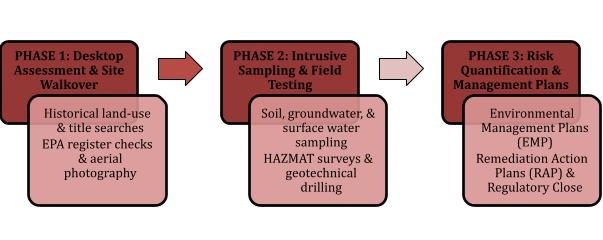
Figure: 3 Step Energy Site Due Diligence Framework
Phase 1: Preliminary Environmental Site Assessment
In this initial phase, the historical data is gathered to determine past activities that have caused land contamination.
Here is what happens in this stage:
- Thorough review of land titles, aerial imagery, and local council planning records.
- Database searches against state EPA contaminated land registers and notices.
- Visual site inspections to locate unregistered landfills, chemical storage, or hazardous building materials.
Aboriginal Cultural Heritage and Native Title Screening
Cross-referencing site boundaries against state heritage registers (e.g., WA Department of Planning, Lands and Heritage or NSW ACHIS) to ensure civil earthworks comply with the Environment Protection and Biodiversity Conservation Act 1999 (EPBC Act) and state heritage frameworks before site entry.
Phase 2: Intrusive Site Assessment and Chemical Testing
If potential environmental liabilities are identified in Phase 1, specific field investigations are conducted to verify subsurface conditions.
- Sampling of standardised soil, groundwater, and surface water to identify heavy metals, hydrocarbons, PFAs, and pesticides.
- Targeted asbestos testing of soil across older building envelopes or fill areas.
- Soil gas and vapour testing where legacy industrial land usage is detected.
Phase 3: Risk Quantification & Environmental Management Plans (EMP)
If contamination or ecological sensitivity is present, actionable mitigation strategies are implemented to maintain the project timelines. Here are the key steps that are taken:
- Development of adaptable Construction Environmental Management Plans (CEMP).
- Creation of a Remediation Action Plan (RAP) to initiate the process of encapsulation or elimination of the hazardous materials.
- Securing formal regulatory sign-offs and environmental clearances for civil contractors.
Practical SOP: Soil Waste Classification During Civil Earthworks
When civil contractors excavate access roads, wind turbine pads, or mounting post trenches, unexpectedly contaminated soil must be managed under strict statutory frameworks to prevent off-site illegal dumping liabilities:
In-Situ Testing
Sample fill material and shallow soil prior to mass excavation to classify waste profiles (e.g., General Solid Waste vs. Restricted Solid Waste under NSW EPA Waste Classification Guidelines or WA DWER Waste Frameworks.
Stockpile Segregation
Segregate suspected contaminated spoil on impermeable liner bunds to prevent cross-contamination of clean site fill.
NATA-Accredited Analysis
Validate all soil samples through NATA-accredited laboratory testing for heavy metals, OCPs, hydrocarbons, and asbestos.
Transport & Disposal Tracking
Obtain tracking documentation and disposal dockets from licenced waste facilities prior to haulage.
Documents Required for Energy Sector Due Diligence Process
To make the environmental audit process seamless in the energy sector, the project owners and developers need several legal and technical documents. Having these records organised beforehand prevents delays during site acquisition and financing reviews.
Here is a table showing the key documents required for a streamlined due diligence process in the renewable energy sector.
| Stage / Phase | Required Document / Report | Purpose & Regulatory Relevance |
|---|---|---|
| Pre-Acquisition | Phase I Environmental Site Assessment (ESA) |
Establishes baseline historical land-use risks and contamination potential. |
|
Feasibility |
Phase II Intrusive Site Investigation Report | Quantifies soil and groundwater contamination levels against NEPM guidelines. |
| Design & Civil | Hazardous Materials (HAZMAT) Survey |
Identifies asbestos, lead paint, and synthetic mineral fibers in existing structures. |
|
Planning Approval |
Flora & Fauna Ecological Impact Assessment | Evaluates native species impact under the EPBC Act and state clearing regulations. |
| Construction | Construction Environmental Management Plan |
Outlines dust, noise, erosion, and spill response controls for contractors. |
|
Compliance |
Water Quality & Noise Monitoring Baselines |
Benchmarks pre-construction ambient levels to defend against future liability claims. |
Table 3: Documents Required for Energy Sector Due Diligence
The SERS Factor: How SERS Makes Renewable Infrastructure Investment Risk-Free in Australia
Getting through all the complex environmental regulations for an energy project site acquisition requires local expertise, quick response time, and technically accurate reporting. SERS carries nearly two decades of proven experience in de-risking major industrial, civil, and infrastructural developments. Here is how we, at SERS, help project owners:
- Nationwide Reach with Local Expertise: We have a physical presence in Perth, Brisbane, and Newcastle, and we deliver cost-effective environmental consulting across the entire Australia.
- End-to-End Technical Capabilities: We provide end-to-end technical consultation, from early-stage 3D LiDAR Scanning and desktop screening to full-scale soil remediation, groundwater monitoring, and spill response.
- Technical Rigour and Quality: Our experts use cutting-edge testing methodologies. Moreover, we have partnered with NATA-accredited laboratories to deliver fully compliant reporting.
By integrating SERS into your pre-feasibility and site acquisition workflow, you protect your capital investment, streamline regulatory approvals, and safeguard project delivery timelines.
Wrapping Up
Environmental due diligence is an essential step for securing investment, meeting regulatory requirements, and avoiding costly construction surprises on renewable energy sites. A thorough 3-phase assessment systematically identifies site risks, protecting capital investments across both solar and wind farm developments.
Get Your Renewable Energy Project Site Approved Faster with Our Expert Assessment Solution!
De-risk your clean energy investments today. Partner with SERS for expert environmental due diligence, site investigations, and regulatory compliance tailored for utility-scale solar and wind projects across Australia.
Frequently Asked Questions
How Are Stormwater and Erosion Risks Managed During Large-Scale Site Clearing?
Assessments establish baseline hydrology to design sediment control basins and runoff management plans, preventing off-site siltation and soil degradation during earthworks.
Does Environmental Due Diligence Account for Bushfire and Extreme Weather Vulnerabilities?
Yes, evaluations assess site topography, surrounding vegetation density, and historical climate data to establish required asset protection zones and fire management protocols.
What Impact Does Local Traffic and Haulage Route Selection Have on Site Due Diligence?
Assessments evaluate access road load capacities, roadside vegetation clearing needs, and council transport permits to ensure heavy equipment can be delivered safely.
How Are Decommissioning and Land Rehabilitation Obligations Factored into Early Due Diligence?
Audits establish baseline soil and ecological conditions, setting clear technical benchmarks for returning the land to its original state post-project lifecycle.
What Role does Environmental Offsets Play If Site Constraints Cannot be Fully Avoided?
When ecological impacts are unavoidable, due diligence identifies suitable off-site land parcels or credit schemes to fulfill statutory biodiversity offset requirements under Australian law.