
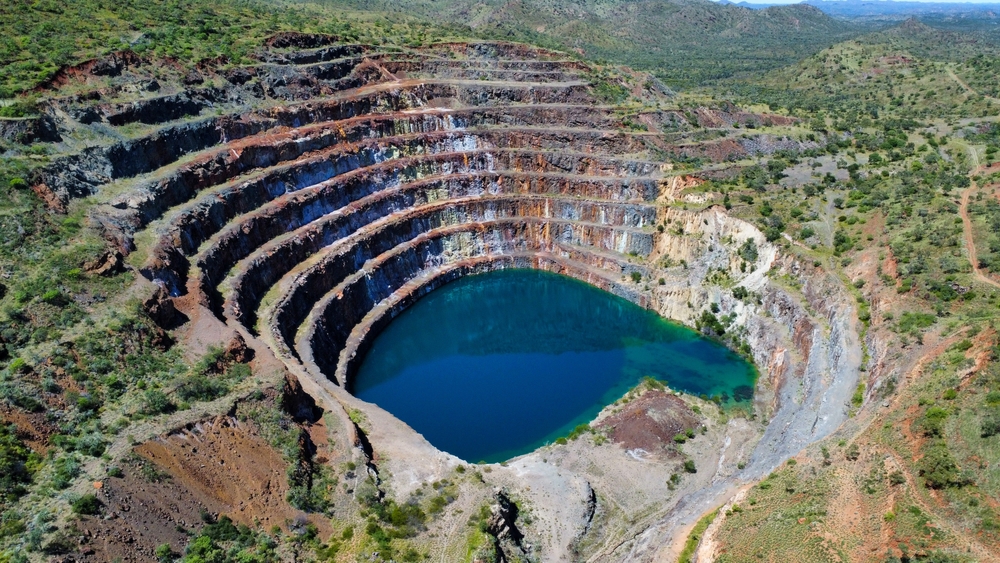
Water monitoring solutions for mining operations are crucial for environmental protection, ensuring regulatory compliance, and many other aspects. This is why these demands involve real-time measurement of water quality, flow, depth, and contamination risks across dams, pits, tailings, and surrounding environments. As a result, modern solutions are designed accordingly to meet the demands.
Running mining operations is a critical task. The process involves potential for toxic contamination as it exposes large volumes of rock and ore that react with the water and air, producing highly toxic substances.
On top of that, the process also consumes huge amounts of water for processing, dust suppression, and cooling. This way, operations often dewater mines by pumping out groundwater, which even impacts nearby communities and ecosystems.
There are a series of other challenges and factors that make water monitoring solutions necessary for mining operations. In this blog, we will be focusing on the reasons why water monitoring solutions become necessary when running mining operations. We will also discuss the different types of it and other crucial information.
Why Water Monitoring Is Critical in Mining
Water monitoring in mining plays a critical role due to a few different things. Some of the reasons include:
Environmental and Toxic Contamination
Mining operations involve acid mine drainage. This results in sulphur-rich waste rock exposed to air/water, which creates sulfuric acid. This acid is very dangerous as it is capable of dissolving heavy metals, poisoning streams, harming ecosystems, and making water unusable.
This leads to ecosystem degradation as the contamination harms aquatic life, disrupts the food chain, and pollutes drinking water sources for communities. All of this makes the situation serious enough to get the assistance of water monitoring.
Safety and Operational Pressures
Monitoring water levels prevents pressure buildup that causes highwall collapses or underground flooding. Otherwise, the safety concerns increase, affecting the mine stability, making it essential for one to get the issue monitored. Another reason why water monitoring becomes essential is that mines use vast amounts of water for processing. Well, monitoring ensures efficient use, recycling, and safe discharge.
However, the most important reason why water monitoring solutions are essential because it involves complying with a few community and regulatory guidelines. Non-compliance leads to fines, shutdowns, and loss of social license. In such a scenario, monitoring helps in building trust by showing responsible management.
Unique Australian Challenges
Many Australian mines are in arid regions. Well, dealing with the extreme weather events and additional water scarcity caused by mines automatically makes water conservation important.
Besides that, mining also impacts the water quality in remote indigenous communities. This deterioration comes with serious implications, which makes strict water monitoring necessary.
Types of Water Monitoring Needs in Mining
The water monitoring needs vary in mining operations. This is why we have created the following table to simplify things.
| Monitoring Type | Purpose | Common Sites | Risks if Neglected |
|---|---|---|---|
| Water Quality | Detect pollutants & pH levels | Tailings dams, ponds, run-off | Contamination, fines |
| Water Level & Depth | Verify storage capacity | Pits, dams | Overflow, flooding |
| Flow Monitoring | Measure groundwater/surface water movement | Streams, drainage | Erosion, ecosystem damage |
| Sediment Mapping | Evaluate silt build-up | Water storage areas | Capacity loss |
| Bathymetry | Underwater topography | Dams, pits | Structural instability |
Table: Type of Water Monitoring Required As Per Mining Operation
Modern Water Monitoring Solutions for Mining Operations
Modern water monitoring solutions play a big role in mining operations. Some of these modern solutions include:
1. UAV Bathymetry for Safe & Accurate Data
UAV-based bathymetry is a highly effective and safe method that uses drones for underwater surveys in mining areas. This is ideal for tailings dams, retention ponds, and flooded pits.
The method minimizes the need for boat crews. This way, the risk of health hazards to human surveyors is caused by unstable slopes, deep water, and potential contaminants. Well, the best part about this method is that it offers high-resolution depth & sediment data.
2. IoT Sensor Networks for Continuous Monitoring
This method of water monitoring for operational solutions uses the Internet of Things (IoT) sensor networks. The system offers continuous real-time data collection and analysis. This approach replaces the traditional manual sampling methods.
IoT sensor networks help with real-time tracking of pH, turbidity, conductivity, and flow. These are solar-powered systems that help with water monitoring in remote Australian sites. It alerts for compliance breaches, ensuring everything stays in line.
3. Satellite & Aerial Imaging
This method is best for large-scale imagery for vegetation health and water distribution. The method is highly cost-effective and continuous, meaning the monitoring process will continue without any interruptions.
Satellite and aerial imaging are beyond useful for mine rehabilitation monitoring. This offers a comprehensive oversight for water resources and potential risks of contamination. The process removes personnel from hazardous environments like unstable slopes or toxic water bodies. This is how the process improves worker safety.
4. Automated Water Sampling Systems
This method uses automated, sensor-based systems with AI/ML, IoT, and drones. This way, the system offers real-time data, which is a step beyond manual sampling to track pH, TDS, flow, and others.
The automated water sampling systems reduce manual labour, ensure consistent sample quality, and integrate with central databases. It also enhances efficiency and helps with improved decision-making.
Choosing a Water Monitoring Partner in Australia
Choosing a good water monitoring partner in Australia is a process that demands one make a few considerations. This includes the following considerations:
Local Expertise
Choosing a water monitoring partner requires a heavy focus on local expertise. A partner who understands the specific rules and regulations of the locality will be better at ensuring compliance and effective management of regional environmental conditions.
Access to Advanced Sensors and UAV Technology
It is essential to look for firms with expertise in advanced sensors like thermal, IoT, and hyperspectral. Other than that, it is also essential for them to be experts in UAVs, which are drones with LiDAR/multispectral cameras.
This helps in offering real-time, detailed data on water quality, flow, and ecosystem health. This, in the end, ensures the water monitoring process offers data integration. And the best part? It also helps in meeting complex needs for environmental management and compliance.
The Future of Water Management in Mining
The future of water monitoring looks promising. With the introduction of advanced technology, increasing regulatory and social pressures for sustainability. On top of that, there is a growing recognition of economic benefits. The future of the industry is shaped by the following technologies:
Predictive Analytics & AI
Due to the growing number of anticipated dam failures or contamination events, accurate prediction has become essential. Well, AI and predictive analytics are there to offer assistance with it.
It is said that the technology will help with real-time monitoring, forecasting risks, optimizing usage, and automating treatment/reuse. These are driven by IoT sensors and big data to create smart mines. This, in the end, improves sustainability, compliance, and efficiency.
Fully Autonomous Monitoring Systems
These are drone-in-a-box solutions that come with automated alerts, cloud reporting, and many other features that simplify the process. These involve the integration of Industry technologies, the Industrial Internet of Things (IIoT), artificial intelligence (AI), and advanced robotics.
These systems enable real-time data collection, predictive analytics, and automated decision-making. This is how the systems optimize water usage, enhance safety, and ensure environmental compliance.
In Summation
Advanced water monitoring is a big part of responsible mining operations. The system provides the essential intelligence needed to maintain safety, ensure regulatory compliance, and drive environmental sustainability.
The transition from traditional, manual sampling methods to modern, automated systems is beyond a technological upgrade. Rather, it has become a strategic move for the long-term viability and operational excellence.
Looking for the Most Efficient Water Monitoring Solutions?
Get in touch with our experts. Choose the best water monitoring solutions for mining operations and ensure compliance and safety.
Frequently Asked Questions
When Should Water Monitoring Begin and End?
Water monitoring for mining operations is a continuous process. This starts with establishing detailed baseline measurements before a mine is built and continues throughout the operational life of the mine and even after it closes to ensure long-term sustainability and remediation effectiveness.
How is the Collected Water Data Used?
The collected water data is used to create a comprehensive water balance, track water usage, identify potential issues, ensure compliance, and build trust in the community.
How Can Mines Ensure the Water Treatment System is Effective?
The best way to ensure the used water treatment system is effective is to work on continuous and real-time monitoring. This helps in tracking water quality parameters after treatment and before discharge.
What Are the Primary Challenges in Monitoring Water at Mines?
Some of the most common challenges in monitoring water are dealing with remote locations and harsh weather conditions. On top of that, it also becomes tough to manage vast amounts of data when using unreliable systems.