
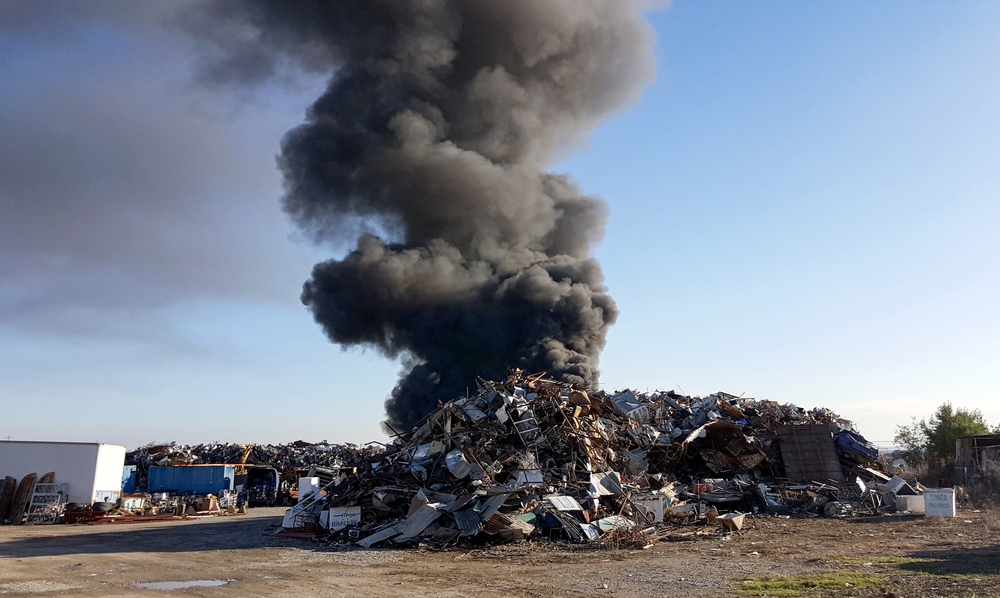
During the time of an environmental emergency, rapid response and swift action are part of the equation. From chemical spills to natural disasters, an environmental emergency can occur suddenly, without proper warning. In Australia, natural disasters like bushfires, cyclones, and floods are often observed, alongside man-made disasters like environmental contamination and industrial oil spills. In this blog, we are going to explore what should you do if you witness an environmental emergency and how to report it.
Upon witnessing an environmental emergency, one’s primary priority should be protecting oneself and the people around them. Rapid response teams should be called in case of severe emergencies. But before looking into reporting and addressing an environmental emergency, we need to understand what exactly an environmental emergency is, and its relevance in public and environmental safety.
What is an Environmental Emergency?
An environmental emergency is an unexpected, unforeseen incident that can be caused by both natural and human-induced factors. This can lead to severe environmental damage, as well as affect human health.
One of the major effects of these environmental emergencies in Australia is contamination, spreading pollutants into the local water bodies and harming the sustainability of life. The Australian environment has been affected by a combined effect of human-caused threats such as land clearing, urbanisation, and irresponsible usage of natural resources. Therefore, the natural resilience to large-scale environmental disasters has reduced sharply.
Types of Environmental Emergencies
Environmental emergencies can happen in various forms. Some of them last for hours, while others may last for some days or even some weeks. Here are different types of environmental emergencies, caused by both natural and human-induced factors.
Natural Disasters
Natural disasters are a result of geological and climatic causes. These types of disasters include:
- Earthquakes
- Tsunamis
- Volcanic Activity
- Drought
- Floods
- Extreme Heat
- Tornadoes
Man-made Disasters
Man-made disasters are typically caused by industrial accidents or human-based technological incidents, which can result in environmental damage, pollution, and harmful effects on human life. These types of emergencies also include:
- Hazardous materials like asbestos contamination
- Radiological emergencies
- Cyberattacks
In both cases, a citizen should be aware of the environmental emergencies and the long-term effects of these on the environment. Everyone should know the necessary steps to take during an environmental emergency and provide a rapid response.
Necessary Steps to Take During an Environmental Emergency
People often think: ‘What should a citizen do in an environmental emergency?’ Responding to emergencies can be a difficult task. During an environmental emergency, one should consider prioritising personal safety and reporting the incident as soon as possible. Let’s explore how common people can take necessary steps during the time of an environmental emergency.
Assessing the Situation
One of the first things to do is to assess the situation around yourself. You need to spend some time evaluating the type of emergency it is and understanding the extent of the threat to human life and the environment.
In case of natural calamities, the only rational step is to move to a safer shelter. However, in the case of human-induced disasters such as an oil spill or a toxic gas leakage, you need to take measured steps. The brief evaluation during the initial stages of assessing the risks may be effective in directing the future steps.
Prioritise Personal and Public Safety
After assessment, the next crucial step for environmental emergencies is to recognise the importance of personal and public safety. Ensure your own safety first by avoiding the hazardous materials or using protective equipment like PPE or coverings for your mouth or nose. If evacuation is required, immediately do so and help others evacuate once your own safety is assured.
Communicate Effectively
Any type of environmental emergency requires transparent communication. Provide feasible, precise, and succinct information about the circumstances and ensure that safety measures are being taken effectively. Information sharing and effective cooperation become crucial, considering everyone’s safety.
Emphasise Containment
Containment is important to prevent the spread of contaminants to the adjacent ecosystems and water reserves. If it is considered safe, it is recommended to act immediately to prevent a bad situation from worsening. However, act only when the situation can be handled without putting your or others’ lives at risk.
For example, during a chemical leak, you can use absorbent materials to restrict the chemicals from spreading elsewhere. In case of high-risk contaminations, it is better to leave the containment efforts to the trained professionals.
How to Report an Environmental Emergency?
In Australia, every state has an Environmental Protection Authority (EPA), which has a hotline number and an online portal. For cases of life-threatening environmental emergencies, you can call 000. Many states offer a 24*7 environmental emergency contact known as the Environment Line.
During the communication to the relevant authorities, you need to provide the following information:
- Contact details of the person who witnessed the environmental emergency
- Type of emergency, such as dust, noise, ash, odour, or something specific
- Time and date of occurrence
- Area where it occurred
- How has it impacted the health or the environment
- Additional evidence, such as photos and videos
Wrapping Up
Responding to an environmental emergency is essential to protect personal health and the nearby ecosystem. Immediate response safeguards people from exposure to hazardous materials or sudden natural calamities. Furthermore, early reporting and intervention may prevent the escalation. By remaining vigilant and prepared for environmental issues, you can protect yourself and fulfill your responsibility towards the environment.
Act Responsibly and Report an Environmental Emergency to the Authorities!
Have you witnessed an environmental emergency? Respond quickly by identifying the type of risk and report to the relevant authorities.
Frequently Asked Questions
Can I Report to the EPA Online?
Yes, absolutely! You can submit your report to the EPA online by providing all the relevant information about environmental emergencies.
What to Do if I Smell Natural Gas?
You should evacuate the area immediately. It is strongly recommended that you do not use any ignition sources like lights or cellphones when in proximity.
What Happens After I Make a Report?
The responsible authority will evaluate the report and send its team to evaluate the potential area of contamination. In case of emergencies, first responders will be there to prevent adverse effects.