
Vibration monitoring during high-rise construction in Australia helps protect structural integrity, prevent damage to surrounding properties, and ensure the safety of workers and the public. It helps reduce cost and non-compliance by alerting to potential issues early, along with real-time vibration data.
The major cities in Australia are experiencing rapid development and high-rise building construction. However, the growth has introduced a significant threat of construction vibration, which is often invisible. When heavy machinery operates continuously, the peace and structural integrity of surrounding areas are disturbed. This is where vibration monitoring comes in.
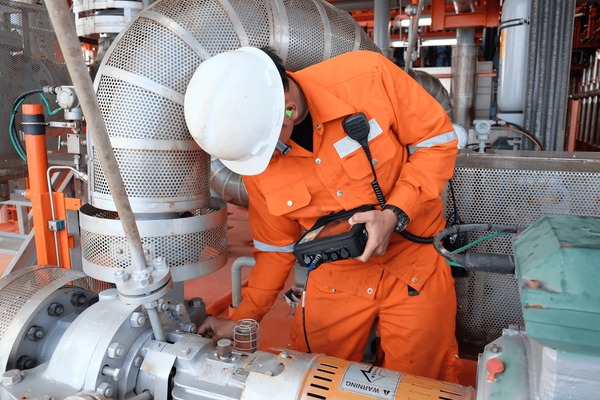
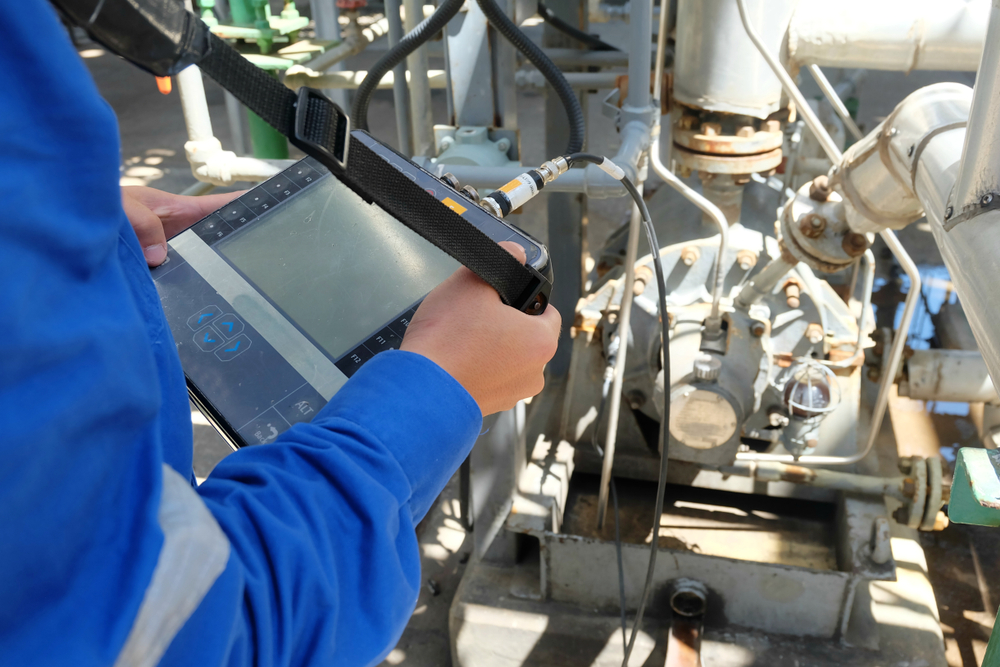
Vibration monitoring involves the use of specialised sensors for measuring and tracking ground and building vibrations in real-time. This is essential for complying with safety regulations and protecting adjacent properties during high-rise construction. If you want to learn more about why monitoring and analysing high-rise building acoustics and vibrations is important in Australia, keep reading.
The Regulatory Importance: Keeping it Legal
The strict regulatory environment of Australia makes vibration analysis essential during high-rise building construction. There are a variety of guidelines that builders must adhere to. These include the regulations set by the Environment Protection Authority (EPA) and Australian Standards (AS). Builders must also adhere to the specific noise and vibration limits set by local councils.
Failure to maintain compliance with the guidelines on high-rise building acoustics and vibrations can lead to significant legal ramifications. As a builder, you can expect substantial fines, costly project delays, and even potential restraining orders.
With comprehensive vibration analysis in Australia, you can keep the evidence of compliance documented. This will not only help you mitigate legal risks but also ensure that nearby residents and infrastructure are not negatively impacted by high-rise construction activities. Vibration analysis reports will serve as important documents, helping you with legal defence and maintaining community relations.
Protecting the Foundations: Structural Integrity
Analysis of high-rise building acoustics and vibrations is crucial for safeguarding foundations, utilities, and heritage buildings. It will help you detect the excessive ground movement caused by excavation and piling activities. So, you will be able to prevent cosmetic or structural cracks and settlement.
With real-time data on the vibration caused by high-rise construction, you can guarantee the safety and longevity of your own project. You will be able to minimise the chances of liabilities, disputes, and costly repairs, while also maintaining public trust and community relations. The benefits of vibration analysis make it particularly important in major Australian cities where older infrastructure is common.
Here is an overview of the benefits.
- Protecting Surroundings: Preventing damage to sensitive heritage sites, underground utilities, and existing buildings.
- Maintaining Foundational Integrity: Ensuring the stability of the high-rise itself and adjacent structures by assessing the impact of construction vibration.
- Mitigating Risks and Maintaining Compliance: Prevent legal risks, reduce disputes, and defend high-rise construction methods by generating vibration analysis data.
- Early Warning: Preventing catastrophic failures and ensuring timely intervention with alerts upon detection of anomalies.
- Cost and Time Savings: Minimizing costly repairs, avoiding project delays, and reducing insurance claim issues.
The Good Neighbour Status: Community Relations
Vibration analysis in Australia during the construction of high-rise buildings is also essential to act as a good neighbour and maintain community relations. You will be able to prevent structural damage, disruptions in the locality, and discomfort of residents, especially in dense urban areas.
Real-time data will help you proactively manage issues as a developer, swiftly address complaints, and maintain transparency. So, it will become easier to uphold your construction brand’s reputation, foster community trust, and avoid costly delays.
Leveraging Technology: Smart Monitoring Solutions
Vibration analysis during high-rise building construction involves the use of Internet-of-Things (IoT) sensors for collecting data in real time and making them available on cloud platforms. So overall, vibration analysis helps ensure safety, meet regulations, and protect nearby structures from damage. As a site manager, you will also be alerted when immediate actions are needed.
Here is how to leverage technology for vibration analysis in Australia.
- IoT and Remote Sensors: Wireless IoT sensors are placed on surrounding buildings, equipment, and the ground.
- Real-Time Data: The sensors capture vibration data continuously and stream it directly to cloud platforms to allow instant tracking.
- Cloud Reporting: The data is processed by secure cloud-based systems, and alerts and accessible dashboards are generated.
- Early Warning System: The generated alerts will notify you about vibration levels exceeding safe thresholds or legal limits, thus helping prevent structural damage and compliance issues.
Ready to Build Smart and Tall?
For modern and responsible high-rise construction in Australia, vibration analysis is non-negotiable. It will help you achieve successful results by ensuring that you are also building smarter, and not just taller.
Vibration analysis in Australia will help you ensure regulatory compliance, safety of workers and the public, positive community relations, and prevention of damage and disruptions. Vibration monitoring systems are essential investments for those wanting to practise responsible development. So, reach out to us today to enhance your building project’s outcomes.
Frequently Asked Questions
1. Is It a Legal Requirement to Perform Vibration Monitoring During High-Rise Building Construction in Australia?
Yes, vibration analysis is a legal requirement during high-rise construction in Australia. So, it is not just for your own reference on vibration levels. It is essential to perform vibration analysis and demonstrate compliance with set limits to get your project approved and to avoid potential fines, legal liabilities, and stop-work orders.
2. What Are the Guidelines and Standards That Govern Construction Vibration in Australia?
There is no single national statutory limit for high-rise building acoustics and vibrations in Australia. AS 2187.2-2006 is followed for damage levels from ground vibration. AS 2670.2 is about human comfort impacts. International standards like BS 7385 Part 2 and DIN 4150-3 are also often followed for assessing potential structural damage.
3. Which Construction Activities Cause the Most Significant Vibrations?
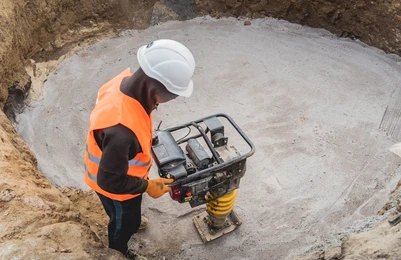
Activities like pile driving, blasting, rock breaking, hammering, and heavy excavation are known for causing high levels of ground-borne vibration.