
In the arid and semi-arid regions in Australia, differences in rainfall and high evaporation rates may have a significant impact on water salinity. With the right testing plan, the salinity level of water can be checked for households and farms, leading to safer water decisions.
Key Takeaways
- Water salinity is a major concern in Australia’s arid and semi-arid regions due to low rainfall, high evaporation, and reliance on bore water.
- Regular water and soil testing for EC, TDS, pH, major ions, and irrigation suitability helps identify salinity levels and guide appropriate management.
- Salinity can affect households, livestock, crops, irrigation, plumbing, and other long-term assets, making early detection and monitoring important.
- Practical management measures include NATA-accredited laboratory testing, frequent monitoring, suitable water treatment, appropriate irrigation, and vegetation management to control salt accumulation.
In Australia’s arid region, water mainly comes from bores, dams, and intermittent waterways. It helps to maintain a continuous water supply to remote stations and regional townships. When it comes to water salinity, it becomes a major issue for water quality, the taste of water, and also impacts the outcome of irrigation. It also impacts the plumbing system and reduces the durability of long-term assets.
However, the good news is that salinity risk can be managed through proper water testing and consistent monitoring, along with practical water treatment steps.
Let’s begin by understanding what water salinity is.
What is Salinity?
Generally, salinity refers to the concentration of dissolved salts in water. You can measure water salinity through the Electrical Conductivity (EC) test. The name of the taste comes from the fact that the dissolved ions conduct electricity.
The higher EC refers to a high level of salinity. On the other hand, you can also use TDS to measure the estimated amount of dissolved material in the water.
Why Managing Salinity in Arid Regions Is Difficult
There can be many reasons for difficulty in managing salinity in the arid regions of Australia. Take a look at the following reasons:
1. Evaporation and Salt Concentration
As the arid Australia region gets a low level of rainfall and high heat causes evaporation, with leaves behind high concentrations of salts or TDS in the groundwater or water storage.
2. Reliance on Bore Water
The water quality in bores of arid areas in Australia can change significantly depending on the season. Proper testing of the samples from NATA-accredited labs is required for the correct measurement of the water quality.
3. Water Quality Changes After Rain
After the heavy rain, runoff can significantly dilute water salinity. As soon as the water level drops, the salinity level climbs up.
What to Test Beyond Water Salinity?
In the arid and semi-arid areas in Australia, you might need to test for more than water salinity. Take a look at the following list of tests that you should do in this region:
- EC and TDS
- pH levels
- Tests for major ions
- Check for irrigation suitability
Besides testing for salinity in the area, the above-mentioned tests will help you understand the issues with the water you use. If possible, you can take steps to resolve the issue.
Common Impacts of Water Salinity in Arid Areas in Australia
With a high level of salinity in water, different areas of your life can be affected.
Household and Other Facilities
Drinking water might taste saltier than usual, and it may also lead to scaling and reduce the lifespan of your plumbing system. Besides, other appliances like a geyser, faucet can be affected due to high salinity.
Impact on Livestock
If you have livestock in your farmhouse, a high level of water salinity may lead to reduced intake of food and water by the livestock. As a result, you may see a lack of growth, dehydration, and reduced milk production.
Practical Solutions to Resolve Water Salinity Issues
Salinity in Western Australia and other arid regions of Australia is a major issue. You can use a mix of different methods to manage salinity in water and land.
Get Lab-Tested Results
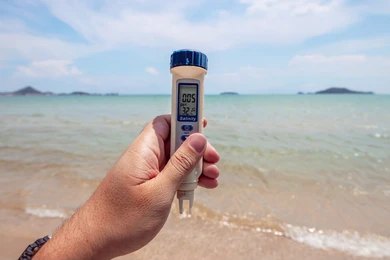
You can detect the salinity level in your land or water with a pocket EC meter. It will help you determine a baseline of salinity in water and land. However, get the sample and test it from a NATA-accredited lab for an accurate result.
Frequent Testing, Appropriate Planning
Dryland salinity in Australia is subject to change depending on the weather or human activities. High heat may lead to high salinity, while heavy rainfall may reduce it. Adopt a frequent testing strategy to identify the salinity level and plan accordingly to reduce it.
Right Treatment Planning
Depending on the location of salinity, you may take the right treatment planning to reduce salinity. If the soil type is saline, you can plant deep-rooted trees or plant native trees of that area. It will help absorb excess water and salt by the trees, and the salt level will be at a lower level in the soil.
In the case of irrigation, use a limited amount of water that is necessary for the plants to grow. Otherwise, excess water will lead to increasing salinity after evaporation.
Get in Touch With SERS for Salinity Testing and Management
If you are suffering from soil and water salinity issues, then get in touch with SERS as soon as possible. Before adopting the right salinity treatment planning, you need a proper testing report of the soil and water bodies. Only then can you resolve the issue with effectiveness.
Frequently Asked Questions
Can Crop Yields Be Affected Due to Salinity?
Yes, the return of the crop can be affected due to water salinity. You can go for a soil salinity test to determine if the soil is saline or if there are other issues.
Can You Name Two Main Factors That Help Decrease Salinity Levels?
Salinity level in the water source that you use may go down if fresh river water enters the area or there is heavy rainfall in the area. It dilutes water salinity and reduces its level.
Can Soil Erosion Increase Water Salinity in the Arid Region of Australia?
It is possible if the soil contains an excessive level of salt and there is no groundcover. When soil erodes and goes into a water source, it increases water salinity.