

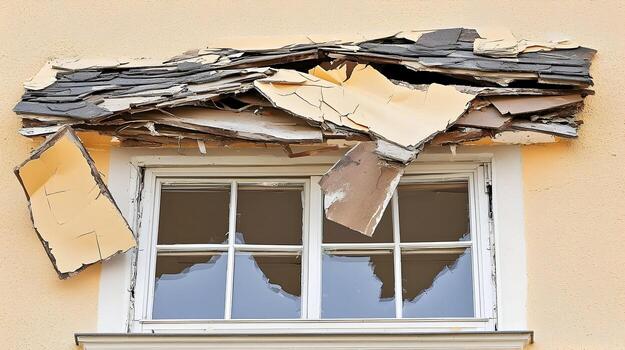
Urban development in Australia often involves piling, tunnelling, and demolition, affecting adjacent properties. While developers have their rights for construction works, they also hold a non-delegable duty of care to protect neighbouring properties’ structural integrity. Approval from local councils does not shield any builder from liability for damage caused due to vibration, trespass, or unauthorized intrusion.
Key Takeaways
- Property owners are legally responsible for structural or groundwater damage caused by their contractors during excavation.
- Ground anchors, crane swings, and boundary crossings require formal, written agreements or easements unless overridden by specific court orders.
- Compliance with Australian vibration standards does not protect builders from common law claims if actual damage occurs.
Utilizing pre-construction dilapidation reports, reviewing builder insurance, and installing real-time boundary monitors are essential steps to safeguard your home.
Following the urban density in major cities of Australia, such as Brisbane, Sydney, and Perth, construction works have been more common for commercial and residential requirements. Now, when your neighbouring property undergoes piling, excavation, demolition, or tunnelling, it eventually impacts your commercial or residential space. But developers’ legal rights to build or renovate do not provide a license to damage your property or structural integrity.
So, it is essential to understand the regulatory boundaries, legal rights, and legal steps required to mitigate these issues to ensure your property’s life.
The Right of Support
Under statutory frameworks and common laws, such as Section 179 of the Queensland Property Law Act 1974 and Section 177 of the NSW Conveyancing Act 1919, a landowner has a non-delegable duty to care for neighbouring properties.
So, what’s their non-delegable duty, and what can they not do?
Well, the non-delegable duty is that even if your neighbour hires independent contractors or qualified engineers for tunnelling or piling, the developer or owner remains liable for any constructional damage.
Also, they cannot remove the groundwater support, natural soil, or subsoil, which keeps your buildings and land safe. For example, construction vibration, cracking walls, or jamming windows can lead your neighbour to legal action.
Physical Intrusions: Trespass vs. Easements
Builders and neighbours do not have any legal right to occupy or cross the boundary line of your area. Here’s what you need to know about trespassing and easements.
Encroachment and Ground Anchors
Your neighbour will need to insert metal ground anchors under your property (horizontally) if they’re digging a deep basement. Remember, it always needs written and signed permission. They need to negotiate a formal easement for a license agreement or an easement for support, often in exchange for financial compensation.
Crane Airspace
If a construction or demolition crane swings over your property’s roof, irrespective of any reason, it is a trespass. Developers need to negotiate a crane-swing agreement with you, or else it will be considered illegal.
Refusing Access
State courts can override your refusal in special cases. For example, a court may grant a temporary access order if the work cannot be completed otherwise and is reasonably necessary, under the NSW Access to Neighbouring Land Act 2000. Section 12 of this Act outlines types of work, including repairs, maintenance, construction, renewal, and demolition of buildings.
Vibration and Demolition Hazards
The piling vibration limits in Australia, under Australian Standards like AS 2187 and AS 2670, mandate the peak particle velocity (PPV) range between 15 and 20 mm/s for residential properties. In the case of sensitive or historical buildings, the threshold is much lower to prevent structural damage.
The Legal Limit
Despite having approval from local councils of noise and vibration limits, and operating house, the builder may still come under neighbour construction damage claims in Australia. So, remember, the council consent cannot be used as an immunity shield against common law claims, such as nuisance, trespass, or negligence. Also, even if the vibration levels are within standard limits but cause damage to your property, you can sue your neighbour for damage.
Builders from every neighbourhood must establish independent vibration monitoring for neighbouring property setups.
Protection Work Notices
The Victorian Building Authority enforces a strict Protection Work Regime, under which builders should serve a formal notice detailing how they plan to protect your property. You have a statutory right to review plans and demand changes if the plan sounds risky and may damage your property.
SERS’ expertise in environmental engineering, deploying wireless, high-sensitivity boundary lines. Our system provides data logging and alert mechanisms, through which real-time warnings are triggered when construction work breaches the baseline threshold, before any property damage occurs.
How to Protect Your Property: A 3-Step Checklist
Here’s how you can protect your property in 3 steps.
| Step | Action Required | Why It Matters |
|---|---|---|
| 1. Dilapidation Report | Insist on a formal pre-construction survey of your home by an independent inspector. |
Offers pre- and post-construction conditions of your property to prove vibration damage. |
|
2. Review Insurance |
Demand proof of the builder’s Public Liability Insurance and specific contract works policies. | Ensuring accessible funds to pay for repairs in cases of insolvency. |
| 3. Ground Monitoring | For major tunnelling or piling, negotiate for the builder to install vibration monitors and tilt sensors on your boundary line. |
Provides real-time data to force a work stoppage if vibration thresholds are breached before structural cracking occurs. |
Table: How to Protect Your Property
Contact SERS for the Best Support for Your Property
Whether you are a contractor seeking regulatory compliance or a property owner experiencing construction development in the neighbourhood, SERS can be your trusted partner. Operating across Sydney, Perth, and Brisbane, SERS offers real-time vibration, advanced noise, and dust monitoring services to secure property safety under local guidelines.
Frequently Asked Questions
What Happens if a Shared Terrace or Party Wall is Damaged during the Neighbour’s Demolition?
Properties sharing a common wall are typically governed by cross-easements for support. Both parties have reciprocal legal rights and obligations to maintain the wall’s structural integrity. If a neighbour demolishes their half of the building, they are legally required to weatherproof, brace, and structurally stabilize the remaining party wall so that your property remains safe and undamaged.
What Legal Mechanism Protects Me From Vibration Damage Caused by Heavy Piling Next Door?
Before high-impact works, developers will usually request a Dilapidation Report or Pre-Construction Condition Survey. It highlights the exact state of your property before work begins. If the intense vibrations from piling cause new structural cracks or ceiling movement, this report acts as crucial evidence to legally compel the builder to fix the damage.
What Can I Do if Dust, Debris, or Water from Their Demolition Site Affects My Property?
Uncontrolled toxic dust (like asbestos) or flying debris breaching your boundary constitutes a private nuisance and a breach of environmental and local council regulations. You can report them immediately to the local council compliance officers or the Principal Certifier, who have the legal power to issue a notice against construction.
Who is Legally Responsible for My House Cracks – the Neighbour or Their Contractor?
Generally, the builder or contractor holds primary liability for negligence or failing to follow standard protective work procedures. However, the property owner (your neighbour) can also be held liable under nuisance or strict liability laws for authorizing work with a risk of affecting the Disputes are usually directed at both parties.