
Worried that your Hardiflex sheet might contain asbestos? The brand name will never give you the answer you need because it depends on when the sheet was made, and the fibres usually remain hidden until you cut, drill, or break the sheet to use it. This blog explains how you can identify it and how NATA-accredited lab tests confirm asbestos presence.
Key Takeaways
- Manufacturing History: Hardiflex sheets manufactured before the mid-1980s contain asbestos, but current versions are all free of asbestos.
- Testing as a First Step: Visual clues only act as hints, and to confirm the presence of asbestos, it is essential to have it sampled by licensed professionals and tested by a NATA-accredited lab.
- Safety Protocol: Avoid drilling or sanding suspected sheets before a licensed assessor inspects the sheets, especially if they are old and have just been discovered.
Is there asbestos in Hardiflex? The answer depends on when the sheet was manufactured. Hardiflex fibre cement made before the mid-1980s is supposed to contain chrysotile (white) asbestos.
However, sheets manufactured after James Hardie stopped using asbestos in the manufacturing process are all asbestos-free. Now, since the brand name remained the same, the label itself cannot tell you whether it contains asbestos or not.
If you are planning to buy, reuse, cut, or drill Hardiflex, this blog will tell you the visual clues, the timeline to consider, and suggested laboratory testing that will tell you whether there is asbestos or not.
Why Does the Name Hardiflex Cause Confusion?
Hardie™ is actually a brand by James Hardie where flat fibre cement sheet is used for wall linings, soffits, wet areas, and fencing. The first Hardiflex asbestos cement sheeting came to market in 1964 which contained chrysotile and cellulose fibre.
After asbestos was banned, an almost identical cellulose Hardiflex II (Post-1980s) was introduced to the market, and as is evident, the brand name was reused for the new variation. But many people do not know that the name only refers to the product family, not its fibre content.
Here are some other related names that raise the same question:
- Villaboard, Versilux, Highline, Shadowline, and Coverline – These are all pre-1990 asbestos cement sheets.
- Striated Hardiflex (Fibrolite/Hardie’s Striated Sheets) – These are moulded panels introduced in 1957.
- Super Six Fencing – These were asbestos cement look-alikes of modern Hardifence.
Timeline of Asbestos Usage and Discontinuation in Hardiflex
So, is Hardiflex asbestos? Yes. But only if it was manufactured before James Hardie changed the components to make it asbestos-free. However, the date from which it was changed is noted to be different in different sources.
The James Hardie fact sheet notes the date of change to be 1985, with asbestos products continuing till 1987, but WA Health says that it was 1981. Furthermore, asbestos was banned in Australia from 31st December 2003.
Therefore, we suggest you treat any sheet in pre-1990 buildings as suspect until it is tested and proven to be asbestos-free. But why do the published dates of change differ?
- Each source tracks different milestones like the first asbestos-free product, the end of asbestos in building products, and the end of asbestos manufacture.
- Installation lags manufacture, so later renovations can still contain older sheets made with asbestos.
Visual Clues to See Whether a Sheet Contains Asbestos
Does Hardiflex contain asbestos, or was your sheet made after asbestos use was discontinued? Some visual and installation clues can help you find the answer. However, they don’t confirm your suspicions, especially if the sheeting is already painted.
Physical and Installation Clues
- Building Age – Pre-1990 means that asbestos cement might be present
- Fixings – Flat-headed, blunt shear-point galvanised nails suggest asbestos
- Joints – Cover battens or aluminium H-sections over joints can indicate asbestos
- Surface – Deep and dimpled “golf ball” texture on one face indicates the presence of asbestos
- Feel – If the sheet is hard, brittle, and prone to breakage
Markings That Suggest Sheets Are Asbestos-Free
- “Hardiflex II” branded on the underside edge
- “Manufactured without asbestos” and a date, reported on early Hardiflex
For unreadable batch stamps, assume any year; simply contact the brand and ask them.
Painted or covered sheeting can pass for modern board or plasterboard. You should not scratch, drill, or sand a “test spot” to look inside yourself because when you break the surface, the fibres get released. Leave all inspection and sampling to a licensed asbestos assessor.
Identifying Asbestos in Hardiflex Through Laboratory Analysis
Even if you suspect that a sheet in your property contains asbestos, hardiflex asbestos identification can be confirmed only through sampling and testing by a NATA-accredited laboratory.
This is what the Asbestos and Silica Safety and Eradication Agency states. Even suppliers and tradespeople cannot confirm its presence just by looking at the sheet. Here’s how sampling works:
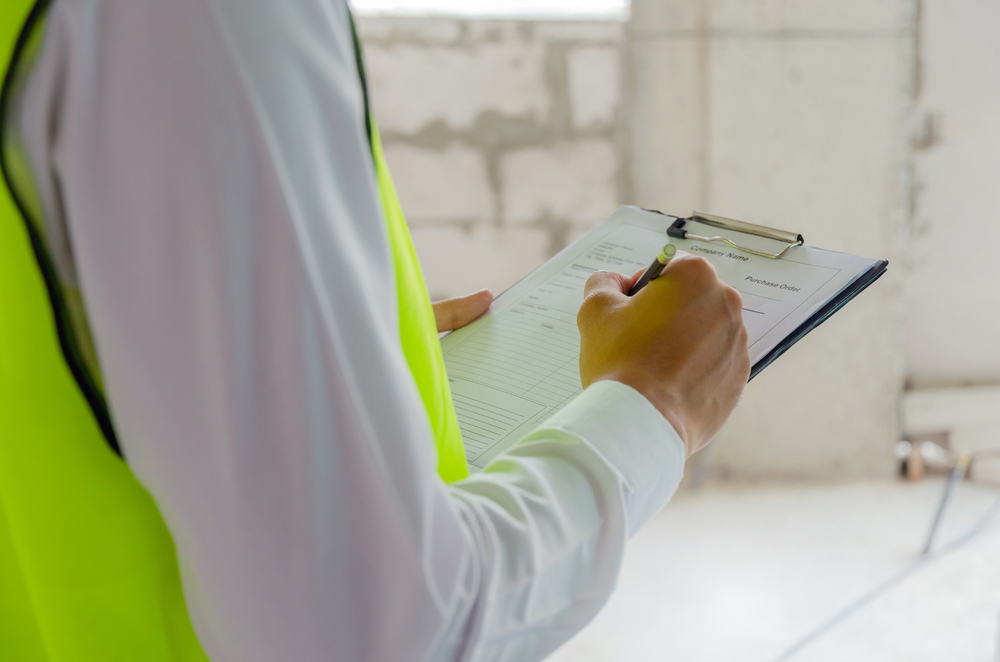
- Our site assessor inspects your site and maps all the sheet types found in your building, along with their locations, to sample them separately.
- A small sample is taken with dust controls, the spot is sealed, and the sample is double-wrapped.
- Our NATA-accredited laboratories analyse it through polarised light microscopy (AS 4964).
- Results are recorded in a report or your asbestos register with recommended controls and remediation services, as needed.
Here’s what you should know more:
| Method | What It Tells You | Confidence | Best Usage |
|---|---|---|---|
| Building Age and Records | Whether asbestos cement was used | Low |
To decide how cautious you should be |
|
Visual & Fixing Clues |
Whether the sheet resembles asbestos cement | Low to Medium | To raise a flag but not clear them |
| Product Markings | Whether a “Hardiflex II” or “Manufactured without asbestos” mark is there | Medium |
As supporting evidence, not proof |
|
NATA-accredited Laboratory Analysis |
Whether asbestos is present and the type if it is present | High | To confirm or clear a sheet |
| Licensed Assessor Survey | Full picture of materials, condition, and suggested controls | High |
For renovations, sales, and workplaces |
Table 1: How Reliable is Each Identification Method
A Sydney owner renovated a 1976 bathroom, and amidst the renovation they found a grey sheeting behind the tiles. They hired our asbestos assessor, who sampled two points and confirmed the presence of chrysotile. Then our removalist went and cleared it before the tiling started, avoiding costly rework.
Where Old Hardiflex Turns Up & When Risks Change
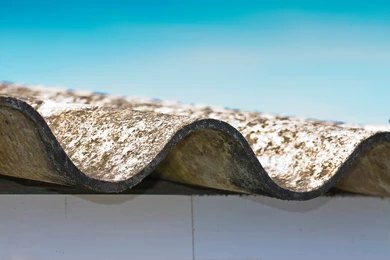
If the sheeting stays intact, the fibres remain locked in the cement, and it remains less dangerous when it is not disturbed. However, a damaged Hardiflex asbestos sheet is different. Because when you cut, drill, or break it, including through natural weathering, the fibres inside it can get exposed. Here’s where you will usually find them:
- External cladding and gable ends
- Eaves soffits and fascias
- Wet-area walls and behind tiles
- Ceilings and carports
- Fencing
- Sandwich panels faced with Hardiflex (late 1960s to early 1980s)
- Underlay below tiles or vinyl
Keep the paperwork. Safely store laboratory certificates, your asbestos register, and disposal receipts. Buyers, insurers, and future tradespeople can ask for them while taking over the property. If your property is a workplace, retain an up-to-date register of any asbestos previously identified on the site, review the register, and share it with contractors.
Planning to Use Hardiflex?
The current James Hardie sheets are all asbestos-free but not dust-free. Cutting or sanding them can release respirable crystalline silica, and it is a different hazard to be cautious about.
- Check the recent James Hardie installation guide and safety data sheet
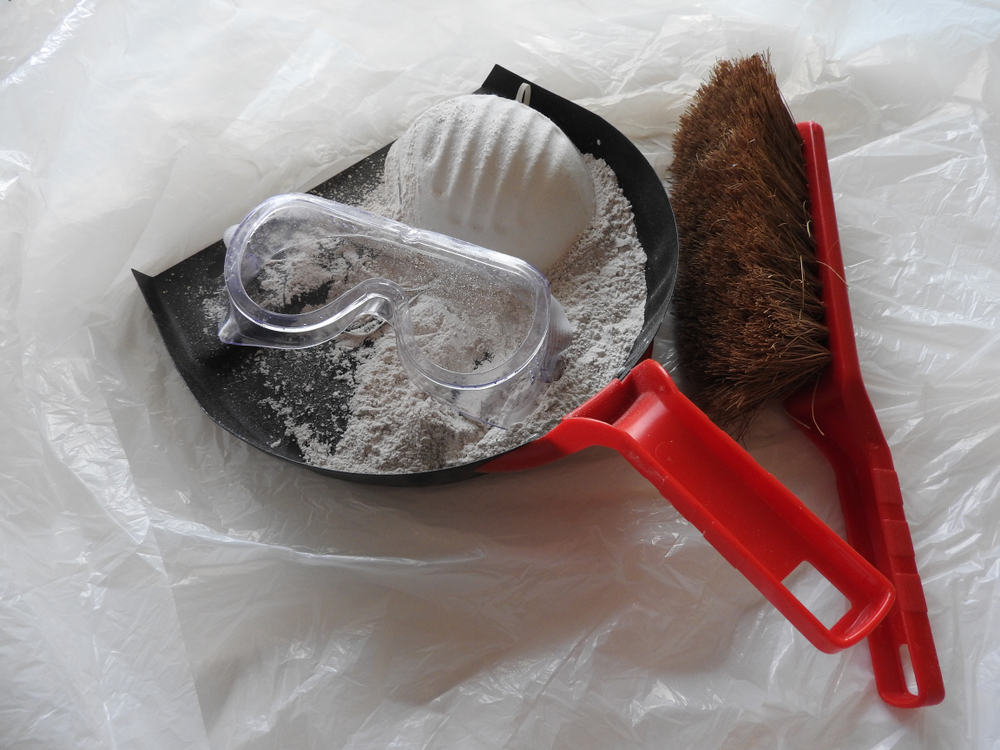
- Cut outdoors with a P2 respirator and eye protection
- Use score-and-snap or shears, and if you are power cutting, use dust extraction
- Clean with a suitable vacuum or wet methods
- Retain all delivery paperwork
A Perth builder was offered second-hand “Hardiflex” sheets for working on a backyard studio. There were no batch markings visible, and our sampling report showed the presence of asbestos cement. The builder then bought new labelled sheets to avoid legal and health problems.
Conclusion
The “Hardiflex” brand name is not enough to decide whether the sheet contains asbestos. You need to consider its age, markings, visual clues, and narrow down the possibilities. It would be best to get it tested at our NATA-accredited laboratories before you start working with it.
Not Sure Whether Your Hardiflex Contains Asbestos?
Our licensed assessors can sample, test, and advise on safe ways to work with Hardiflex sheets. Keep your property healthy and legally compliant with SERS! Contact us now.
Frequently Asked Questions
How Should I Dispose of Asbestos Hardiflex?
You can only dispose of it after wrapping, labelling, and transporting it to a licensed disposal facility according to local environmental protection regulations.
Does Insurance Cover Asbestos Removal Costs?
Standard home insurance policies usually exclude gradual damage, standard maintenance, or pre-existing hazardous materials like asbestos abatement.
Are There Any Health Risks to Be Concerned About?
If you inhale airborne fibres, you can experience long-term lung diseases, such as asbestosis, lung cancer, and malignant mesothelioma over time.
Can You Paint Over Undisturbed Hardiflex Asbestos?
Yes. Because encapsulated or sealed asbestos sheets in good condition are of low risk, especially when they are left undisturbed and monitored regularly.
Can I Go with DIY Sampling for Laboratory Testing?
No. We strongly recommend against DIY sampling, as, according to Australian laws, only licensed assessors are allowed to handle sampling and prevent accidental fibre exposure.