

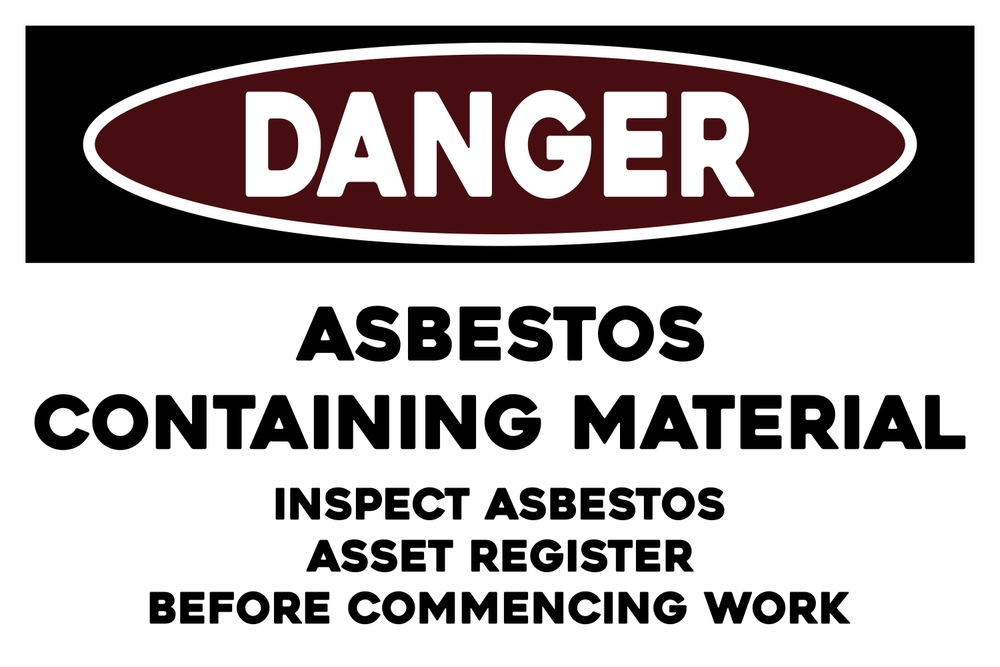
In Australia, an asbestos register is a document used for recording the type, location, and condition of all the known or presumed ACMs within a building or workplace. Its purpose is to help manage the risks associated with existing asbestos.
Although the use and import of asbestos or Asbestos-Containing Materials (ACMs) is banned in Australia, you can still find them lurking in many older buildings and infrastructures constructed before the 1990s. Disturbing these materials during maintenance or renovations leads to the release of harmful fibres in the air.
Inhaling the fibres can result in serious health issues like asbestosis and mesothelioma. If you want to learn more about why effective management of ACMs via a register is the key to safety, then keep reading.
What Is an Asbestos Register and Who Needs One?
An asbestos register is an official record identifying the type, condition, location, and risks of ACMs in buildings. It will provide you with the information you need for managing the asbestos and preventing exposure to its fibres.
An asbestos register is needed for all non-residential workplaces built before 2004. This includes commercial, industrial, as well as government properties. An asbestos register will also be required for a residential property undergoing demolition or renovation work by professional contractors.
The register is meant to help property owners or duty holders create an asbestos management plan, while also informing the professionals working on your property about the potential hazards.
How the Asbestos Register Works Across Australian States
Here is how the asbestos register works across the states of Australia.
| State/Territory | Regulatory Body | Key Regulation | Unique Requirement |
|---|---|---|---|
| New South Wales | SafeWork NSW | WHS Regulation 2017 |
|
| Victoria | WorkSafe Victoria | OHS Regulations 2017 |
|
| Queensland | WorkSafe Queensland | WHS Regulation 2011 |
|
| South Australia | SafeWork SA | WHS Regulations 2012 |
|
| Western Australia | WorkSafe WA | WHS (General) Regulations 2022 |
|
| Tasmania | WorkSafe Tasmania | WHS Regulations 2012 |
|
| Australian Capital Territory | WorkSafe ACT | Dangerous Substances Act |
|
| Northern Territory | NT WorkSafe | WHS Regulations 2012 |
|
Table: Overview of Asbestos Register Requirements across Australian States
How Property Owners Should Maintain and Update the Register
In Australia, managing asbestos in non-residential properties is a legal requirement for property owners. Here are the steps you should follow for creating and maintaining a compliant asbestos register.
- Hire Experts: A thorough risk assessment or inspection of your property will be required. You must engage an occupational hygienist or a licensed asbestos assessor for that.
- Record Findings: All the identified or assumed ACMs must be documented by the assessor. This includes documenting their location and condition, along with risk assessment. The assessor must also include photos and an asbestos management plan.
- Review and Update: It is necessary to review and update the register at least every five years. You can also update the register annually, or after the disposal and disturbance of asbestos.
- Digital Documentation: The register must be stored digitally for safety and accessibility. It is also important to have secure backups of the register.
- Safe Storage: It is also necessary to ensure that the register is readily available to every worker, contractor, and health and safety representative working on your property.
Why the Asbestos Register Is Crucial for Property Owners
For property owners, an asbestos register is crucial mainly due to the legal obligation. Non-compliance can result in severe penalties and fines. However, the need for the register goes beyond the legal requirement. An asbestos register assures safety by protecting the workers, occupants, and contractors from exposure to harmful asbestos fibres.
An asbestos register helps make informed decisions regarding repair, renovation, demolition, and routine maintenance tasks. This helps manage the risks related to asbestos or ACMs in a better and safer way. An asbestos register also enables proactive management, which can help establish transparency. It will also help you establish trust with tenants, regulatory bodies, and potential buyers.
Common Mistakes and Compliance Gaps to Avoid
Here are the common mistakes you should avoid in relation to asbestos registers in Australia.
- Don’t fail to update the register after you finish asbestos disposal.
- Don’t forget to make the asbestos register accessible to workers and contractors.
- Don’t assume that a building does not require asbestos assessment just because it is new.
- Don’t ignore the presence or potential of asbestos in minor structures like roofing or sheds.
Need an Annual Update of your Asbestos Register?
An asbestos register in Australia is not just a legal requirement. It is also necessary for the visibility of hazards, accountability of the risks, and responsibility for health protection. The small variations in state rules make it important for property owners to remain informed and compliant.
A well-maintained asbestos register is not just paperwork. It is also a source of peace of mind for everyone living or working under your roof. If you need assistance with asbestos assessment and the creation of a register, you can reach out to professional environmental remediation service providers. So, contact one today!
Frequently Asked Questions
What Information Does an Asbestos Register in Australia Contain?
An asbestos register in Australia contains information on the location, like whether asbestos is found on the floor or wall. It also contains information on the type of asbestos found, like chrysotile, crocidolite, or amosite. It will also contain information on the condition of the asbestos, whether it is stable or deteriorating.
You will also find information on whether the asbestos is friable or non-friable. Recommended actions like removal, encapsulation, or leaving undisturbed will also be shown, along with diagrams and photograms.
Can I Build a DIY Asbestos Register in Australia?
No, you cannot build a DIY asbestos register on the basis of your own inspection. You are required to get it created by a licensed asbestos assessor or occupational hygienist. Moreover, although a professional assessment is not a legal requirement for private residential properties, you should avoid a DIY assessment for your own safety.
Do I Always Have to Register Presumptive Asbestos in Australia?
Yes, you must also register presumed asbestos in Australian workplaces. This is particularly important if the building was constructed before December 31, 2003. The general rule is that if you are unable to determine if a material contains asbestos, then you should assume that it does and treat it accordingly.
Can I Access the Public Asbestos Register in Australia?
Yes, you can access the records of personal exposure to asbestos through the National Asbestos Exposure Register (NAER). In case it is a workplace asbestos register, it must be accessible to all the workers and health and safety representatives.