

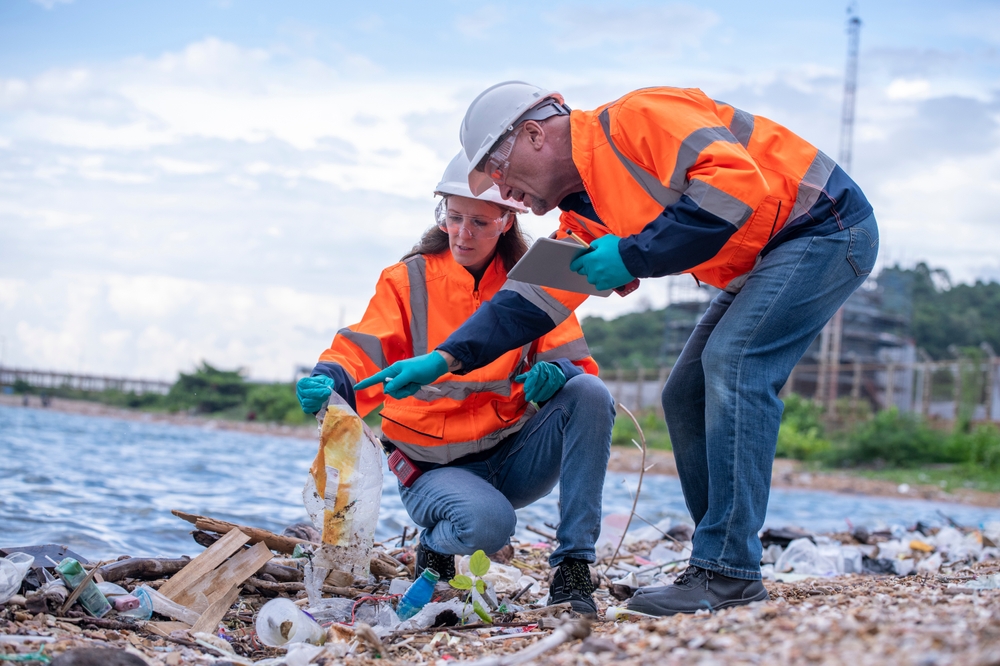
Struggling with “Land Audit Purgatory” or “stranded assets”? Historical contamination like PFAS, asbestos, and Acid Sulphate Soils shows the need for healing contaminated lands with proper environmental remediation services. Discover how modern remediation techniques transform these costly legal liabilities into high-value, profitable, and healthy Australian real estate.
Key Takeaways
- Beyond “Dig and Dump”: Modern science prioritizes in-situ bioremediation and soil washing over simple excavation, offering sustainable ways to “heal” land rather than just moving the problem
- Regulatory Compliance is ROI: Adhering to state-specific EPA laws and the NEPM isn’t just about avoiding fines, it’s a strategic move to unlock property value and ensure market certainty
- Targeted State Strategies: From managing Acid Sulphate Soils in WA to vapor extraction in Sydney’s urban infill, remediation must be tailored to specific regional contaminants and environments
Australia is a land of extremes, and its industrial history is also similar. From mining in Western Australia to booming manufacturing in New South Wales’s Sydney, all the byproducts have been left in the soil!
In 2026, as urban development meets the rising land pollution concerns, environmental remediation is no longer just a “green” initiative. It is now a regulatory necessity for almost all Australian properties and industrial sites. This is not just for cleaning the contaminants. It is for reclaiming the natural health of the cities.
How Remediation has Moved Beyond “Dig and Dump”
Remediation, initially, meant simple digging to excavate the dirt that was later dumped into a landfill. But this method just moved the problem and did not heal the land. So now, ex-situ excavation is no longer the standard. Here’s what remediation for land contamination involves now:
|
Method |
Mechanism & Process | Target Contaminant |
Best For |
|---|---|---|---|
|
In-Situ Bioremediation |
Stimulates native microbes via oxygen/nutrient injection to biodegrade toxins. | Hydrocarbons, Fuels, & Organic Solvents | Active industrial sites & groundwater plumes where microscopic cleanup is preferred. |
| Soil Washing & Thermal Desorption | Mechanical scrubbing to separate contaminants from clean soil grains. | PFAS (Per- and Polyfluoroalkyl Substances), Heavy Metals, & SVOCs |
Large brownfield redevelopments & sandy soils. |
|
Chemical Fixation |
Adds reagents (e.g., Portland cement) to chemically stabilize and immobilize toxins. | Lead, Mercury, & Cadmium | Rapid stabilization for immediate construction needs. |
| Encapsulation | Physical sealing of materials with protective coatings or barriers to prevent exposure. | Asbestos* & Low-risk waste |
Capping parklands, golf courses, or stable structures. |
Table 1: Modern Remediation Methods for Land Contamination
Transforming “Stranded Assets” into Profitable Real Estate
Some sites are simply too contaminated to use and too expensive to clean using traditional excavation methods. Some can even be dangerous to health when the contaminant is exposed, inhaled, or contacted! Here’s why remediation helps:
Choosing the ROI of Remediation Over the Cost of Inaction
Contaminated land is a negative asset, incurring security costs, land tax, and legal liability if reported or impacts the environment. All without any returns. In this case, a professional environmental remediation service can increase the land value, enabling optimal land use, although the outcomes differ based on the site.
Navigating the Legal Side of Environmental Remediation
To avoid being stuck in the “Land Audit Purgatory” for years, it’s better to simply abide by the National Environment Protection (Assessment of Site Contamination) Measure (ASC NEPM) and EPA regulations. Here’s what you should know:
|
State |
Primary Legislation | Key Benefit (ROI & Impact) | Focus Area |
|---|---|---|---|
| NSW | Contaminated Land Management Act 1997 | Increases land value and safety by enforcing the “polluter-pays” principle for site restoration. |
Significant risk sites |
|
VIC |
Environment Protection Act 2017 | Prevents legal liability through a proactive duty to manage and remediate contaminated land risks. | Human health & environment |
| QLD | Environmental Protection Act 1994 | Enables sustainable redevelopment by rehabilitating land for higher-value commercial or residential uses. |
Land use suitability |
|
WA |
Contaminated Sites Act 2003 | Provides market certainty through a formal classification system that identifies “remediated” clean land. | Site classification |
| SA | Environment Protection Act 1993 | Restores ecological health by requiring reasonable measures to enhance and protect soil quality. |
Ecologically sustainable development |
|
TAS |
EMPC Act 1994 | Reduces cleanup costs by identifying pollution early via mandatory environmental audits and assessments. |
Pollution control |
Table 2: Regulatory Aspects of Land Remediation
Common Remediation Challenges Across Australia
Almost all the states face some problems, but the following are the ones worthy of mention. Note that the contaminants are not limited to the states named in the following points; this just gives a generic idea.
Western Australia – Mining and ASS
Usually, in the Perth Basin, remediation focuses heavily on Acid Sulphate Soils (ASS). If these are left untreated during development, the soil can “bleed” sulphuric acid, which further destroys infrastructure and affects nearby wetlands. Healing needs precise pH balancing and groundwater management.
Queensland – PFAS and Coastal Runoff
Due to the high annual rainfall and history of firefighting foam usage in some areas, PFAs is the major challenge inmost sites. Healing approaches include “Pump and Treat” systems to prevent chemicals from reaching the Great Barrier Reef.
New South Wales – Urban Infill and Asbestos
In Sydney, space being the major challenge, remediation is done in tight urban communities, and for this, the Vapour Extraction System is the most applicable. This allows adaptive reuse of the industrial sites between existing buildings without demolition.
Is Your Land a Liability or an Untapped Asset?
Don’t let historical contamination block your capital! Whether you are dealing with PFAS, Asbestos, or Acid Sulphate Soils, at SERS, we help you with appropriate remediation strategies that are cost-effective, legally compliant, and ensure total clearance. Book environmental site assessment services with SERS today and heal your land anywhere in Australia!
Frequently Asked Questions
How Long Does a Typical Environmental Remediation Process Take?
Timelines vary from weeks for chemical fixation to several months for bioremediation, depending on contaminant levels and site size.
Can I Apply for Government Grants to Assist With Remediation Costs?
Some states offer “Brownfield” incentives or regional grants to encourage the redevelopment of contaminated sites for community or commercial use.
What is a Preliminary Site Investigation (PSI) Usually Needed for Site Assessment?
A PSI is the initial desktop study and site walkover used to identify potential contamination before formal testing begins.
Is Remediation Required if I Don’t Plan to Develop the Land?
If contamination poses a “duty to report” or risks off-site migration, legislation often mandates management regardless of development plans.