
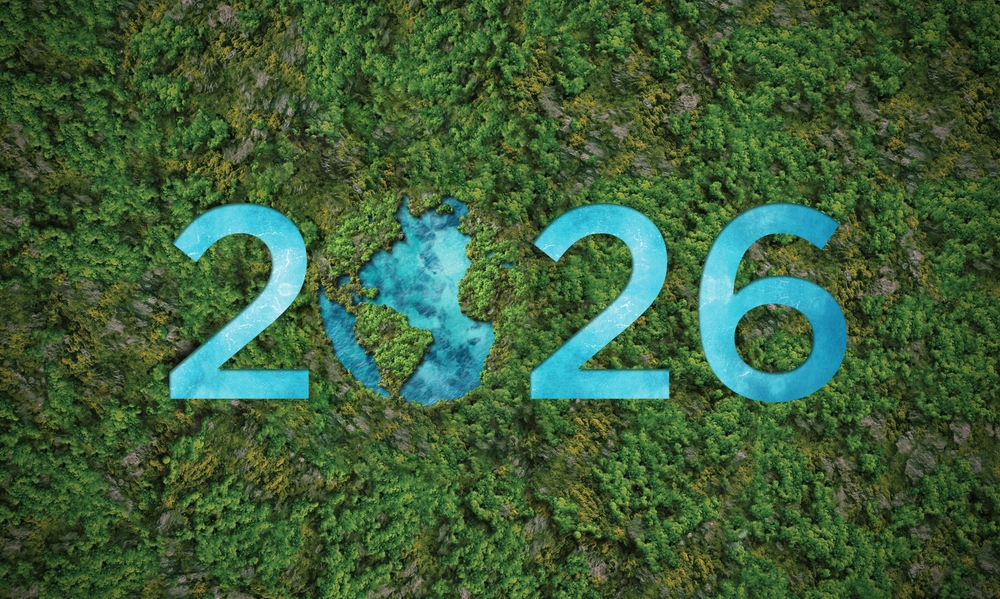
If your site or workplace has not been tested to check for contaminants, there is a high chance that it is unsafe for workers. You might also be legally penalised in case of failure to remediate a potentially contaminated site. This International Earth Day 2026, let’s all take a pledge to make Australia more sustainable through professional environmental cleanup and remediation services! Read this blog to know how this sustainability drive is essential.
Key Takeaways
- Celebrating International Earth Day 2026 with a focus on minimising pollution, contamination, and waste generation is essential for Australia
- This shows the need to identify the major sources of contamination and waste to target them with professional site assessment and remediation services
- All individuals and corporations should be able to follow the necessary regulatory and legal guides to ensure sustainability through proper cleanup initiatives and projects
The theme for Earth Day (22nd April 2026) this year might be focused on “Our Power, Our Planet,” but its implementation runs deep in global economic and civic conditions as well. We cannot limit ourselves to considering only the environmental aspects while celebrating the day.
Our communities should focus on sustaining environmental protection systems that are associated with public health, cost of living, and infrastructure reliability as well. These are crucial to bring in sustainability in environments through appropriate cleanup strategies!
Why Earth Day 2026 Matters for Every Australian
According to Sustainable Governance Indicators (SGI), Australia’s score is relatively poor, ranking 22nd in terms of environmental sustainability. From the Great Barrier Reef being in threat due to deteriorating water quality, to urban contamination hotspots, Australia’s environment is in urgent need of cleanup!
Despite the DCCEEW 2023 commitments to achieve net zero climate neutrality by 2050, the high emission rates are not actually staying under control. Including the 12.9% rise in national water consumption, 10% increase in waste generation. We need professional Earth Day environmental initiatives in Australia, not just as a one-day gesture but as a backbone of year-round sustainability.
Australia’s Environmental Cleanup Challenges in 2026
Australia nationally has waste problems that further lead to land and water contamination. The following table shows the major sources of contamination relevant in Australia that need to be cleaned up.
| Challenge | Affected Areas |
|---|---|
| Asbestos contamination | Naturally occurring asbestos (NOA) is found in parts of Queensland, New South Wales, and Western Australia |
| PFAS soil pollution | All 6 states have PFAS (highest in NSW), in industrial, aviation, military, and fire service training areas* |
| Industrial brownfields | Areas include Sydney, Brisbane, Melbourne, and Perth. |
| Groundwater contamination | Most mining regions, like New South Wales, Western Australia, and the Northern Territory |
Table 1: Australia’s Top Environmental Cleanup Challenges
* Note that whole Queensland still has very high PFAs, and that’s why it has the strictest regulation frameworks in the country, like the PFAS Interdepartmental Committee (PFAS IDC).
Sustainability in 2026 requires looking for the ‘invisible’ legacy. While most look at surface waste, we must now focus on Halogenated Organic Compounds and Microplastics in Soil Matrices. True Earth Day commitment means remediating these persistent chemicals before they bioaccumulate in the Australian food chain.
This International Earth Day 2026, it would be better if we clean and remediate the aforementioned challenges to make sure that they don’t add to the pollution anymore.
How Does Professional Environmental Cleanup Drive Sustainability?
With proper environmental remediation services from agencies like ours, Australian communities can ensure sustainability outcomes. We should ensure that our cleanup strategies balance environmental, social, and economic impacts throughout the steps of a cleanup project.
Professional Site Assessment and Remediation Services:
- Resources contaminated land for reuse and biodiversity
- Protects waterways from industrial runoff
- Enables brownfield-to-greenfield urban regeneration
- Minimises public health risks from hazardous materials
The Regulatory Outlook
The aforementioned activities support sustainability while also meeting the regulatory requirements, making traders and corporate bodies compliant with the government. Remediation services:
- Support compliance with Australia’s NRF regulations and the National Environment Protection and Biodiversity Conservation Act 1999 (EPBC Act)
- Will apply to the upcoming National Environmental Protection Agency (NEPA) as of July 2026, managing compliance, enforcement, and auditing under the NEPA Act (2025)
- Ensure that mining, manufacturing and other industries affecting the environment maintain sustainability obligations through ESG-related report development and climate disclosure readiness
As we move into mid-2026, compliance isn’t just about the EPBC Act. It’s about adhering to the rigorous PFAS NEMP 3.0 standards. Site assessments are now calibrated to the latest ‘human health’ and ‘ecological’ screening levels for emerging contaminants like 6PPD-quinone, ensuring your site remains compliant under the scrutiny of the new NEPA auditing protocols. For state/local events as well as business operations, the following laws cover all resources and activities relevant to environmental improvements.
| State/Territory | Primary Legislation | Focus Areas |
|---|---|---|
| Federal | EPBC Act 1999 | Biodiversity and national heritage protection. |
| NSW | POEO Act 1997 | Control of air, water, and noise pollution. |
| VIC | Environment Protection Act 2017 | Waste duties and environmental risk management. |
| QLD | Environmental Protection Act 1994 | Ecologically sustainable development. |
| WA | Environmental Protection Act 1986 | Prevention and abatement of environmental harm. |
| SA | Environment Protection Act 1993 | Management of single-use plastics and waste. |
Table 2: State Laws Applicable to Earth Day Events & Business Operations
So organisations and people can work together to ensure that sustainability is ensured practically and legally as a way to celebrate Earth Day in Australia 2026. However, this should be continued till the nation’s climate neutrality is achieved.
And over time, restored lands can be transformed into parkland, housing, or habitat, groundwater will have only safe levels of contaminants, and reduced toxic load will cut downstream healthcare costs.
Earth Day 2026 Events & Cleanup Initiatives Across Australia
While Clean Up Australia Day was already conducted on 1st March this year, there are other events that you might look forward to that are relevant to Earth Day. Usually, to take part in any event related to Earth Day, look out for community cleanups, sustainability workshops, tree planting days, and local low-waste events. The following are two upcoming official state/local events that also aim to contribute to the sustainability drive while commemorating Earth Day:
| Event | Location | What It Is |
|---|---|---|
| Nature Care Day, April 22 | Hazelmere, Perth, Western Australia | Habitat restoration event conducted by Trillion Trees Australia |
| New Earth Celebrations, April 18 | Wadeville, NSW | Celebration of Mother Nature, building sustainable communities |
Table 3: Upcoming Environmental Events in Australia
Other common local events include beach cleanup drives, coastal habitat restoration, community tree planting initiatives, and school programs. You can also report any spills or waste accumulation when you come across one, to us and bring in sustainability in yourself.
We will assess and test site samples and remediate all contamination sources ourselves. Join the movement to make Australia’s environmental conditions healthy and sustainable for the next generation and the whole ecosystem.
From Earth Day to Every Day: Sustainable Remediation Practices
Sustainable strategies undertaken for Earth Day can be turned into a year-round professional commitment. Adopting proper strategies can minimise landfill, maximise on-site material reuse, and use green chemistry alternatives to ensure sustainability. As per the CRC’s Contamination Assessment and Remediation of the Environment led “National Remediation Framework and Guidance of Australia (NRF)”, sustainable remediation practices that can help include:
- Risk-based site assessment (to minimise over-treatment)
- Containment measures (bunding, absorbent, booms, pallets, drain covers, etc.)
- NATA-accredited testing to reduce rework
- Chemical stabilisation
- Soil washing
- Bioremediation (microorganism-based)
- Phytoremediation
- Thermal desorption
- Soil vapour remediation
The following table shows how these services work for site cleanups, contributing to sustainability.
| Remediation Method | Sustainability Level | Best Use Case | Carbon Footprint |
|---|---|---|---|
| Bioremediation | High | Hydrocarbon-impacted soil | Very Low |
| Soil Washing | Medium-High | Sandy soils with heavy metals | Low |
| Thermal Desorption | Medium | Persistent Organic Pollutants (POPs) | Moderate |
| Phytoremediation | Maximum | Long-term land restoration | Zero/Negative |
Table 4: Remediation Services and Impacts
These are essential for Australia as the BBC reports that the government plans to cut at least 62% of emissions compared to 2005 levels within the next decade to ensure sustainability. Because we are one of the world’s biggest polluters per capita that can make the country miss the 2035 emissions reduction targets.
Join Us in Making Australia Sustainable with Appropriate Cleanup Measures!
At SERS, we make sure the Australian environment is free of waste and pollution, not just on specific days but every day! You can also contribute to this sustainability drive. Hire us for safe and effective remediation and environmental cleanup in Australia when in need, and work with us to make every community healthy.
Frequently Asked Questions
What Are the Penalties for Businesses That Fail to Comply With State Environmental Protection Acts?
Companies face monetary fines and “polluter pays” penalties as per the EPBC Act, which can incur fines up to $550 000 for an individual and $5.5 million for a corporate body. State fine amounts can be different based on the offence and EPA regulations.
Does the Australian Government Offer Grants for Community-led Earth Day Restoration or Cleanup Projects?
Yes, there are federal programs like “Community Development Grants Programme”, and Landcare Grants or various state-level “Green Innovation” funds, that provide financial support for local environmental conservation initiatives.
How Does the National Remediation Framework (NRF) Differ From Individual State Environmental Regulations?
The NRF provides harmonised, best-practice technical guidelines for contaminated site cleanups. On the other hand, state laws only provide the specific legal enforcement and licensing.
How Do I Legally Dispose of Hazardous Household Chemicals Like Old Paint or Pesticides in Australia?
Most councils offer programs like Chemical CleanOut days (NSW), Detox Your Home (Victoria), or offer permanent waste drop-off points. These help avoid the problems of toxic substances contaminating local soil or waterways.