

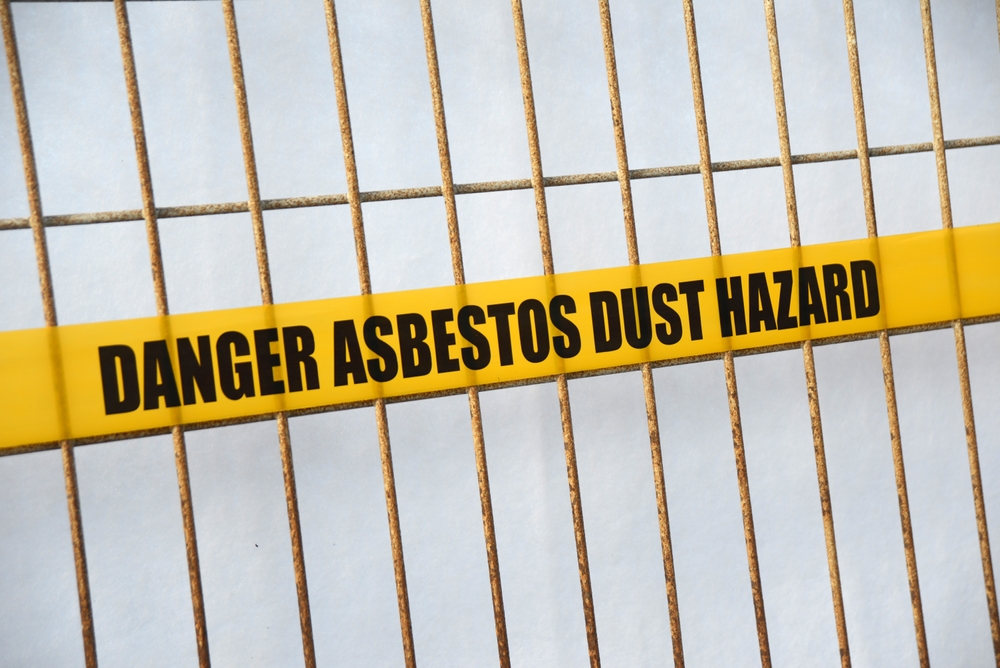
An Asbestos Clearance Certificate issued in Australia refers to the official legal document, declaring that a property is safe for normal reoccupation, whether for living or work. It is the definitive proof that issues regarding hazardous asbestos in the property have been addressed, and the indoor environment is free of asbestos contamination.
Key Takeaways
- An asbestos clearance certificate certifies a property’s safety, essential for normal reoccupation.
- Mandatory for friable asbestos, or over 10 square meters of non-friable asbestos.
- Air monitoring results must be below 0.01 fibres/mL to pass.
- Re-entry is only permitted after receiving the officially signed paperwork.
Discovering asbestos during routine property inspection, renovation, or demolition can be stressful. So, taking professional help and guidance can be the best remedy.
Despite professional hiring, the safety issues remain a concern for property owners, since asbestos is not noticeable, but threatening to the house environment. In this regard, asbestos clearance certificates, offered by experts, are the best result to rely upon.
Here, we explore what an asbestos air monitoring clearance certificate means when you re-enter your property.
Why Is Airborne Asbestos Dangerous?
Airborne asbestos fibres can become trapped in the lungs when inhaled. Long-term exposure has been linked to severe illnesses such as mesothelioma, asbestosis, and lung cancer. Because these fibres are microscopic and invisible, professional air monitoring is essential after asbestos remediation work.
Understanding the Asbestos Clearance Process
Not a standard piece of paperwork, but an asbestos clearance certificate in Australia is a legally mandated document that certifies a professional inspection by an expert to mitigate asbestos issues in a property and determine whether the residential or commercial space is safe to live or work.
- Under Work Health and Safety (WHS), this certificate is essential for any project involving over 10 sq. meters or non-friable asbestos, or friable asbestos of any amount. For example, homeowners often require asbestos clearance inspections after removing asbestos roofing, insulation, wall sheeting, or fencing materials during renovation projects.
A licensed asbestos assessor should conduct an asbestos clearance inspection in Australia, whether for commercial spaces or residences, to issue this certificate. Safe Work Australia guidelines require independent clearance inspections following friable asbestos removal work to ensure compliance with WHS standards.
SERS offers highly qualified, licensed consultants to handle every phase of the inspection, which begins with visual inspections, ensuring zero visible asbestos debris or residue on the surrounding structures or within the containment area.
Asbestos Air Monitoring Results Explained
Airborne fibres pose a significant health threat, and since they are invisible to the naked eye, a quantitative scientific analysis is essential. Clearance monitoring is implemented by experts using advanced equipment and technologies at fixed points within the remediation zone to provide complete assurance.
But how are asbestos air monitoring results explained in terms of practical understanding?
- Air monitoring devices are used to capture airborne fibres from the residential or commercial zones over a specific period, followed by specialised analysis under Phase Contrast Microscopy (PCM). The collected air samples are tested in accredited laboratories to determine whether airborne asbestos fibre concentrations remain within legally acceptable exposure limits.
- A property in Australia is only considered safe, and a clearance certificate is issued, if the concentration of airborne asbestos fibres is below 0.01 fibres per millilitre (fibres/mL).
However, if the result exceeds the safety threshold, the site requires professional inspection. The property should be completely restricted for public use, and the control measures should be reviewed.
Check the table to know when the asbestos inspection is legally required.
| Asbestos Type | Requirements | Who Conducts the Clearance? | Is Air Monitoring Mandatory? |
|---|---|---|---|
| Class A (Friable) | Crumbles easily (e.g., pipe insulation, sprayed coatings). | Should be a Licensed Asbestos Assessor (LAA). | Yes. Active air testing should be conducted inside and outside containment zones. |
| Class B (Non-Friable) | Rigid and tightly bound (e.g., fibro sheets, corrugated roofing). | Can be an LAA or an Independent Competent Person (ICP). | Optional. The minimum requirement is a meticulous visual check, though air testing can be added based on risk assessments. |
Table: When the Inspection is Legally Required
Relying on NATA-Accredited Precision
Dealing with health risks, such as lung cancer, asbestosis, and mesothelioma requires professionalism and precision. So, an asbestos clearance certificate in Australia should only be issued when the air samples are tested and analyzed under certified facilities.
- The NATA-accredited asbestos laboratories in Perth and Brisbane ensure SERS’ credibility regarding asbestos management support and nationwide coverage.
- The NATA accreditation ensures methodological adherence to the highest accuracy standards, strict regulatory compliance, and consistency.
- SERS is known for expedited laboratory options, which are essential to deliver accurate results with real-time values.
When Is It Safe to Return to the Affected Property?
So, when can you re-enter after asbestos remediation?
Re-enter a remediated space only after the property receives officially signed clearance paperwork. It serves as a verifiable guarantee, reflecting the safety of the site, following both the scientific air testing and a strict visual audit. Although the clearance certificate legally permits re-entry, many assessors recommend waiting until containment equipment and remediation materials have been fully removed from the site.
Get the best guidance and support from SERS’ environmental consultants to secure compliance with WHS regulations and local state guidelines. SERS’ expertise guarantees the safety of your family and workforce.
Get Rid of Asbestos Issues and Secure an Asbestos Clearance Certificate Under SERS’ Support.
Planning to renovate or inspect your property following routine practices? Contact SERS for top-rated asbestos remediation services and expert-issued asbestos clearance certificates. Ensure an advanced asbestos clearance inspection in Australia and the best results for workers’ or family safety.
Frequently Asked Questions
If an Area Gets a Clearance Certificate, is It 100% Asbestos-free?
No. A clearance certificate means the airborne fibre levels are safely below the legal threshold (usually fewer than 0.01 fibres per millilitre of air) at the time of testing. It does not guarantee that every microscopic speck of asbestos was removed from the entire building, especially if the removal was only for a specific zone or if asbestos is still safely sealed behind walls.
Can I Occupy a Building Immediately After the Certificate is Signed?
Technically, yes, but practically, you should wait a moment. While the certificate legally declares the area safe to re-enter, it is highly recommended to wait until the assessor has fully dismantled their enclosures and the final clean-up crew has packed away their gear. Always ask the assessor if there is a practical buffer time required for ventilation.
Why Would an Air Monitoring Test Fail Even If All Visible Asbestos was Eradicated?
If the removal area wasn’t cleaned thoroughly, aggressive air sampling (which uses fans to intentionally agitate the air) can kick up microscopic asbestos fibres or even non-asbestos dust particles that the monitoring equipment flags as suspicious. The site will require re-cleaning and re-testing.
What Should I Do If I Find Suspicious Dust Right After a Clearance Certificate is Issued?
Do not touch it or vacuum it, since standard vacuums will just spread it into the air. Evacuate the immediate area and call the independent assessor who signed the certificate. Though it is rare, it is possible for dust to settle out of the air after the pumps stop running if the visual inspection missed a hidden pocket of debris.


