
In Australia, acceptable vibration levels for residential buildings generally follow guideline limits for structural protection and human comfort standards. This is based on low-frequency vibration thresholds and is designed to ensure health and safety. These levels help prevent structural damage and ensure residents are not disturbed by construction, traffic, or industrial activity.
Vibration levels in residential buildings matter more than one might imagine. This is necessary for structural safety, like preventing cracks and settlements, as high vibrations caused by nearby construction tend to cause cracks, loosen bolts, destabilise foundations, and compromise building integrity.
On top of that, it also focuses on ensuring human comfort/health, like avoiding fatigue, nausea, and disorders. This is because mechanical waves affect the body, which causes fatigue, dizziness, and other issues.
This is why Australia uses international standards like ISO 4866, DIM 4150-3, and others to ensure noise and vibration control. Besides that, local government regulations often mandate monitoring during nearby works to protect sensitive sites like homes, hospitals, and heritage buildings.
However, that is not enough. It is also essential for homeowners, builders, engineers, and property managers to learn the necessary things regarding the acceptable vibration levels for residential buildings in Australia. This will help them ensure residents remain comfortable and healthy, and there is proper collaboration between all building stakeholders.
What Causes Vibrations in Residential Areas?
There are a series of issues that might cause vibrations in residential areas. However, its source varies. Some of the types of sources are:
External Sources
The external sources of vibration in residential setups include:
- Road traffic
- Railways
- Construction work like excavation, piling, and compaction
- Demolition activities
- Industrial machinery
Internal Sources
The internal sources that result in vibration in residential building areas are:
- HVAC units
- Household appliances
- Poor structural design or resonance issues
Understanding Vibration Measurements
The Australian government treats the issue of noise and vibration quite seriously; this is why standards like AS 2436, DIM 4150-3, are widely used. However, analysing vibration levels in residential buildings in Australia involves understanding a few measurements. These include:
PPV or Peak Particle Velocity
This one is the most widely used measure for structural vibration assessment, like blasts, which generally limits to within 5mm/s. This is the maximum speed at which particles in the ground or a structure move during a vibration event.
Vibration Frequency
Vibration measurement quantifies mechanical oscillation using parameters like displacement, velocity, and acceleration. On the other hand, frequency measures the number of cycles per second and reveals the cause with analytic tools like FFT, breaking down complex signals into distinct frequency components for predictive maintenance. Low-frequency vibrations have a higher impact on comfort, whereas high-frequency vibrations often cause structural concerns.
Human Perception vs Structural Risk
Humans feel vibrations long before they cause damage. Well, this is the distinction between human discomfort or health impacts and structural damage. Human beings tend to perceive vibrations as annoying or uncomfortable at levels significantly lower than those that pose any risk of damage to a building’s physical integrity.
Acceptable Vibration Levels for Residential Buildings in Australia
While various Australian guidelines reference international standards, the core acceptable limits are well-recognised in engineering practice. The following are the acceptable limits:
- The lower structural safety limits as per Appendix J of AS 2187.2 – 1993[9] sit at 5 mm/s PPV, as houses are sensitive to vibration.
- Human comfort limits according to AS 2670.2 stay between 1 to 80 Hz frequency range.
- Daytime limits in residential buildings according to AS 2670.2 are 0.005 m/s², and that for nighttime is 0.0035 m/s².
Note: Nighttime limits are stricter due to increased sensitivity during rest hours.
Signs Your Home May Be Affected by Excess Vibration
Sometimes the issues regarding excess vibration in residential buildings go unnoticed. However, there are a few signs that clearly indicate the effects of this issue, some of which include:
- New cracks around windows or doors
- Gaps forming in the flooring or walls
- Rattling windows, cutlery, or fixtures
- Feeling low-frequency or rumbles
- Sleep disturbance or discomfort
How to Check Vibration Levels at Your Property
Checking the vibration levels at an Australian property is possible in many ways. While many opt for smartphone apps, they might not be that accurate. This is why it is best to take the assistance of a professional vibration monitoring.
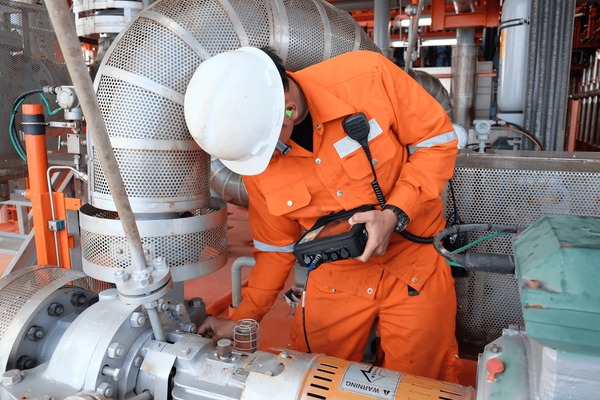
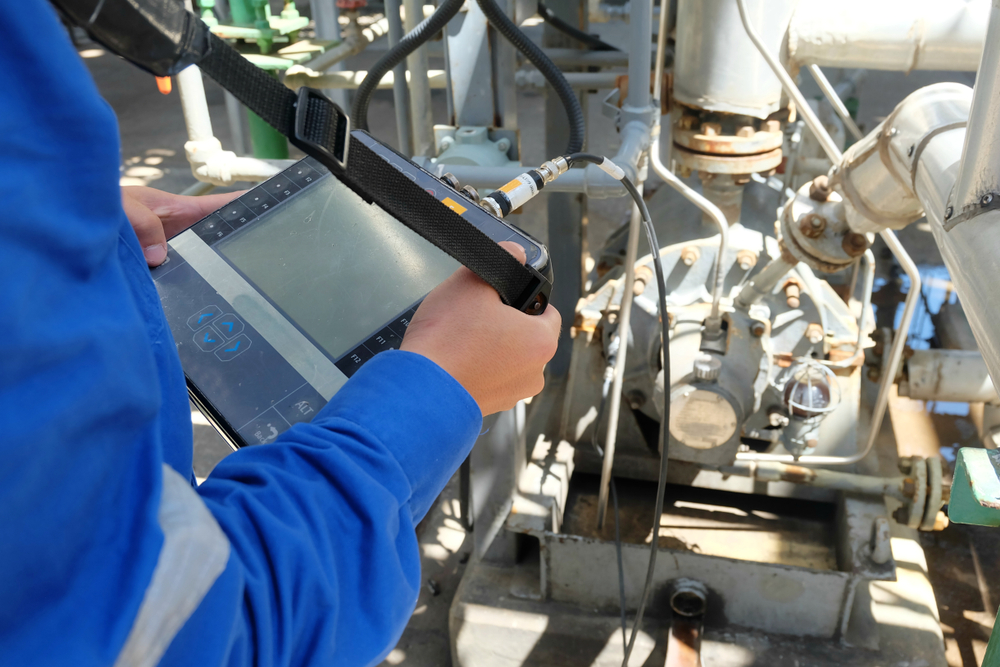
You will be required to engage a professional who will use calibrated, high-tech equipment to accurately measure and compare vibration data against relevant Australian standards.
They will proceed to identify the potential sources, engage a qualified consultant, arrange a site inspection, and then move on to conduct baseline and continuous monitoring. Then they will proceed to work on data analysis and reporting, and come up with mitigation strategies.
In Summation
Acceptable vibration levels in Australian residential builds ensure both comfort and structural safety. This is what makes it necessary for homeowners, builders, engineers, and property managers near construction sites should learn about the acceptable vibration levels and ensure they are maintained at all times. This helps in ensuring the health and safety of the residents and also maintains the building, avoiding costly repairs.
Want to Monitor the Vibration Levels in Your Residential Building?
Get assistance from our expert team. Ensure acceptable vibration levels are maintained for prolonged health and safety.
Frequently Asked Questions
What Vibration Level is Dangerous for a House?
Dangerous vibration levels for a house vary by frequency and building type. It is generally over 15 to 20 mm/s PPV as it causes minor damage.
Can Construction Vibrations Cause Cracks?
Yes, absolutely. Construction vibrations from activities like pile driving, blasting, or heavy machinery can cause cracks in nearby buildings.
Who Pays for Vibration-related Damage in Residential Buildings?
Vibration damage in residential buildings is typically paid for by the party responsible, often a construction company or the building owner’s homeowner’s policy. However, the coverage depends heavily on policy wording.
Are Vibration Monitors Accurate?
Yes, absolutely. Vibration monitors are highly accurate and essential for predictive maintenance. However, their accuracy depends on proper sensor placement, regular calibration, correct mounting techniques, and the use of the right analysis methods.