
Quarry dust is a versatile building material. However, its high silica content poses a severe risk to respiratory health. Hence, suppressing quarry dust is essential for worker safety, environmental health, and regulatory compliance.
Quarry dust is a by-product. It is a fine pulverised remnant created when giant stones are crushed into usable aggregate. You will find the use of the material everywhere today, from major construction sites to small landscaping projects. This is largely due to its cost-effectiveness as an alternative to natural sand. However, this convenience comes with a major trade-off.
You have to find the right balance between efficiently utilising quarry dust and properly implementing quarry dust suppression techniques. It is important that you run truly safe operations, which requires managing the health concerns effectively. If you want to learn more about the risks of quarry dust and its effective management, then keep reading.
What Is Quarry Dust?
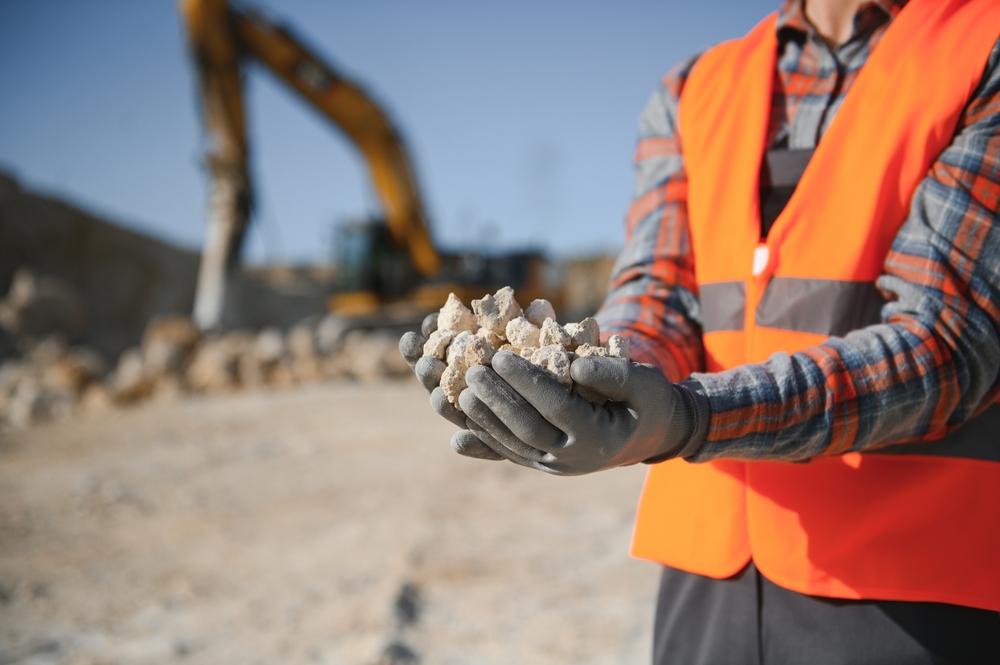
Now, what is quarry dust? Scientifically, it is the extremely fine powder-like particles generated when rock is mechanically fractured and crushed. Its exact composition depends on the parent rock; however, it typically contains high levels of silica. You will also find trace amounts of other metals and minerals in the rocks.
As natural river sand is dwindling, quarry dust is being widely adopted as its replacement in concrete mixes. If you process and mix correctly, the final compressive strength of the concrete will be enhanced. So, quarry dust is becoming a practical as well as sustainable replacement of sand in modern buildings.
Common Uses of Quarry Dust
Quarry dust is an extremely versatile, grainy by-product. It is a sustainable construction material that can replace sand in concrete mixes. And it does not just act as a cheap filler. Quarry dust actively contributes to the structural integrity of the concrete.
Quarry dust is also used as a stable base when building roads and pavements. It helps stabilise the ground beneath asphalt or paving stones. Beyond construction, its fine and grainy nature further makes it useful for everyday landscaping and filler tasks like levelling out uneven surfaces.
| Feature | Quarry Dust | Sand |
|---|---|---|
| Texture |
|
|
| Cost |
|
|
| Environmental Impact | Reduces landfill waste | Depletes riverbeds and causes erosion |
| Concrete Strength | Increases compressive strength | Contributes to standard strength |
Table 1: Quarry Dust vs. Natural Sand
Environmental & Health Impacts of Quarry Dust
The fineness and high silica content make quarry dust extremely useful. However, these properties also make it harmful for human health and the environment.
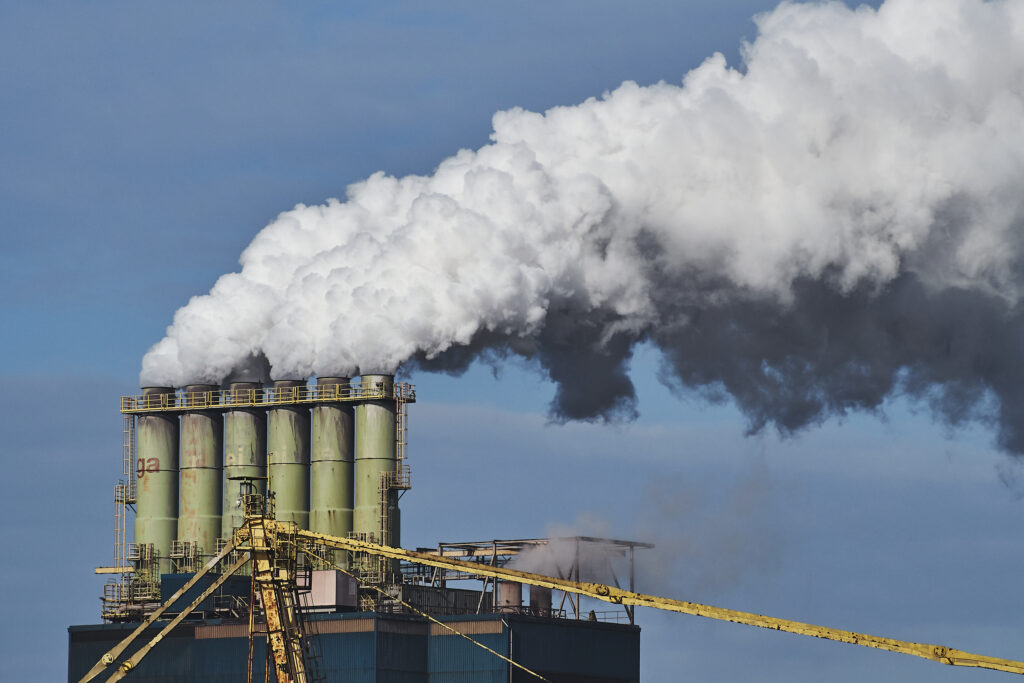
The most immediate concern related to quarry dust is air pollution. The super fine particles of quarry dust become easily airborne when dried. And once the particles get suspended in the air, they can travel far beyond your site. So, both your workers and local community members will be affected.
Health Concerns: The Hidden Danger
When workers inhale the fine quarry dust particles, their lungs are significantly affected. Prolonged or high exposure to silica-rich quarry dust is strongly linked to conditions like silicosis. It is a severe and irreversible lung disease, where lung tissue gets replaced by scar tissue. Beyond this, exposure to quarry dust is also known to cause asthma, Chronic Obstructive Pulmonary Disease (COPD), and general respiratory distress. It is a direct, measurable threat that you should address with urgency.
Environmental Impact
It is not just human health that is at risk. When the dust settles on the surrounding land, it can kill vegetation and inhibit the growth of plants. Moreover, when quarry dust gets washed into waterways, water gets clouded and chemically imbalanced, which severely impacts aquatic life.
Unchecked dust also leads to significant visual pollution, which negatively affects the quality of life for local residents. Here are the health issues caused by quarry dust.
| Health Effect | Preventive Measures |
|---|---|
| Silicosis/ COPD | Use PPE: Mandatory use of P100/N95 respirators. |
| Eye/ Skin Irritation | Eye and Skin Protection: Use safety goggles, and ensure access to washing stations. |
| General Respiratory Issues | Monitoring: Continuously perform air quality surveillance and regular health check-ups. |
Table 2: How to Prevent Health Impacts of Quarry Dust
How to Suppress and Manage Quarry Dust
Successful quarry dust suppression and management is an operational requirement. It requires planning smart strategies with different layers. Fortunately, you will find a well-established hierarchy of controls to suppress and manage quarry dust.
You should start by installing water spraying systems to make high-activity zones like haul roads, stockyards, and crushing units wet. But in the case of closed processing areas, you will need more advanced dust extraction systems powered by specialised filters, cyclones, and vacuum collection units. Such a system will help you effectively pull out the fine quarry dust particles from the air. So, your workers will be protected from exposure. And you will also be able to prevent the dust from being released into the environment.
Chemical-based suppressants, environment-friendly polymers, and specialised dust control agents are also used where necessary. These solutions are used for stabilising the surfaces exposed to quarry dust, thus preventing the particles from going airborne. You can also create a natural screen with dense vegetative barriers made from trees and shrubs.
You should also take the health and well-being of your workers seriously. So, mandate high-quality PPE and training for workers, and ensure that you strictly adhere to compliance requirements. Also, organise routine health check-ups for all your workers getting exposed to quarry dust.
Sustainable Alternative and Future Potential
The future of quarrying is dependent on genuine commitment to sustainability. You can start by adopting advanced quarry dust suppression technologies, while also moving towards greener mining practices.
Promoting sustainable use of resources among quarry operators is also important. Understand that dust management is not just a regulatory burden, but also an operational requirement and an essential safety measure.
Research is being conducted to create or identify safer substitutes for quarry dust. Efforts are also being placed on developing innovative treatment methods to neutralise the harmful components of quarry dust. The goal must be to establish a long-lasting balance between industrial growth and community and environmental well-being.
Need Professional Assistance with Quarry Dust Management?
Today, quarry dust has created a significant dilemma in the construction industry. It is a valuable and cost-effective building material, but it is a major health hazard if its release into the environment is not controlled properly. So, remember that you should not take the need for effective quarry dust suppression and handling techniques lightly.
Commit to responsible quarrying operations with modern, sustainable practices. Protect your workers from exposure, maintain compliance, and ensure environmental well-being. Reach out to a quarry dust control service today and get a professional consultant.
Frequently Asked Questions
What Should I Do With the Quarry Dust Collected by My Extraction Systems?
You must carefully dump the collected quarry dust to prevent negative impacts on the environment. You should mix the dust with water to create a slurry, which you must then dewater. You can dump the resulting residue in a designated lined landfill. You can also repurpose it carefully into low-grade construction materials.
What Specific Regulations Govern Exposure to Quarry Dust in Australia?
In Australia, the national Work Health and Safety (WHS) laws set the limit for exposure to hazardous Respirable Crystalline Silica (RCS). The limit is 0.05 mg/m³ over an eight-hour working day, for five days a week. So, you must put quarry dust suppression and control measures in place to ensure that your workers are not exposed to more dust than the limit set by regulators.
What Equipment Can I Use for Continuously Monitoring Quarry Dust in the Air?
Quarries rely on real-time dust monitors or nephelometers. These devices measure the concentrations of aerosol using light scattering technology. You will get immediate feedback on airborne dust levels. The output will help you make necessary adjustments to your water spraying or extraction systems, and thus maintain safety thresholds.
Is Dust From All Types of Rock Equally Hazardous to Health?
No, the level of hazard depends on the content of crystalline silica in the rock. Dust from high-silica rocks like granite and sandstone is highly hazardous. Conversely, dust from limestone or marble has lower silica content but still requires suppression. Even the dust with lower silica content poses a risk of non-silica respiratory irritation. And it is also a general nuisance.