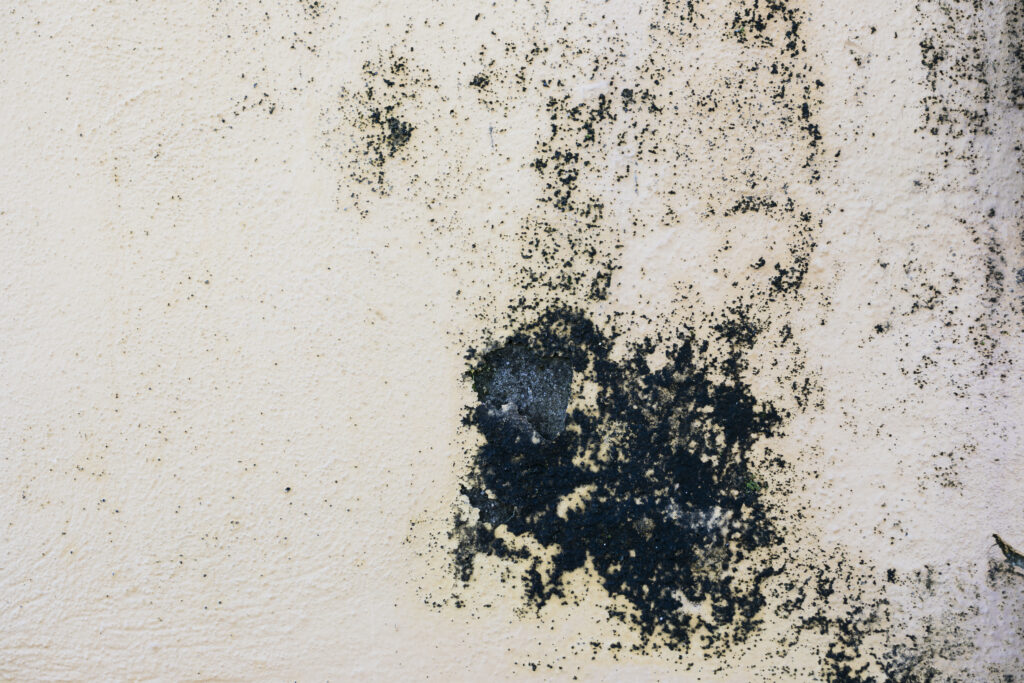

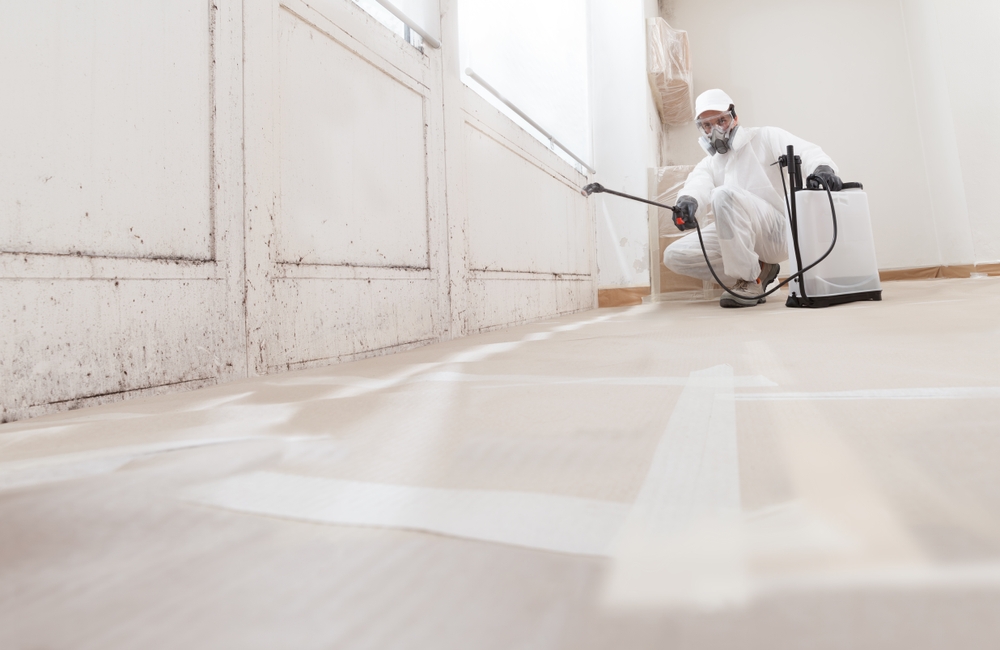
Environmental remediation professionals identify and fix indoor mould sources using scientific tools, methods, and equipment. They not just treat visible mould, but also take care of residual air and stains. Their methods help ensure that mould spores are completely removed and do not recur anytime soon.
Almost 50% of Australians experienced mould or dampness in their home in 2022, with 34% specifically reporting an indoor mould growth problem. However, any level of mould is unsafe for health, and it is particularly concerning for people with existing respiratory issues like Asthma.
In Australia, professional mould removal involves a multi-step process. It is a systematic, evidence-based approach for the assessment and treatment of mould growth in homes. Professional mould removal includes addressing the signs as well as the source of the problem. If you want to learn more about what professional mould removal services work in Australia, then keep reading.
Initial Inspection and Assessment
The initial inspection and assessment phase involves a complete evaluation of the situation. Here are the steps involved.
-
Visual Inspection
First, a detailed visual inspection of both the affected and surrounding areas is done. This will help you identify the visual mould growth, its potential scope of spread, and associated moisture damage.
-
Moisture and Humidity Test
After visual checks, you will find the professionals using specialised tools like moisture meters, infrared cameras, and hygrometers. This is done for detecting moisture hidden within structures like ceilings, walls, and floors. Such hidden moisture is often the underlying cause of indoor mould growth.
-
Optional Air Quality Test
If you suspect mould but it is not visible, then an air quality test might be performed. Air samples are also taken if mould is found, as determining the type and level of contamination is also necessary.
-
Root Cause Identification
The professionals will finally perform a root cause analysis. They will point out the source of the issue, which typically is poor ventilation, plumbing leaks, rising damp, or condensation. The thorough assessment allows the development of a targeted remediation strategy.
Containment and Safety Measures
For safe and effective mould remediation, it is critical to have containment and safety measures in place. Here are the steps taken to protect both remediation professionals and building occupants, while also confining or safely removing the mould.
-
Area Isolation
The zones affected by mould in your house will be sealed off using negative air pressure systems or plastic sheeting. This will help prevent the mould spores from spreading to the uncontaminated or clean areas in your house.
-
Personal Protective Equipment (PPE)
Mould remediation professionals wear gloves, respirators, and coveralls when working. It protects them from being exposed to mould while also allowing them to handle the contaminated materials safely.
-
High-Efficiency Particulate Air (HEPA) Filtration
Vacuum and air scrubbers are used during the clean-up process. They are equipped with HEPA filters to capture microscopic airborne mould spores. As a result, mould spores will be effectively removed from your indoor air.
Mould Removal and Cleaning
Here are the distinct methods used for removing mould from different types of materials.
-
Non-Porous Surfaces
Non-porous surfaces are typically cleaned using antifungal and antimicrobial solutions. It helps kill the mould and effectively removes the stains.
-
Porous Materials
Materials like insulation, drywall, ceiling tiles, or carpeting are often completely removed and safely disposed of. This is because mould can penetrate deeply within such porous materials, where it becomes difficult to eradicate.
-
Specialised Treatments
Specialised treatments are employed for the more challenging mould removal cases. You will find the remediation professionals using advanced techniques like fogging, dry ice blasting, and ozone treatment. These methods are used to eradicate mould more deeply, including thorough elimination of odour.
Drying and Dehumidification
Drying and dehumidification are important steps after the mould itself is physically removed. You will notice the remediation professionals deploying industrial-grade equipment. This is done to remove the residual moisture in which moulds thrive. Here are the roles of the key equipment.
- Air Movers: Powerful air movers will be used by the professionals to make air flow at high velocity across wet surfaces. This helps speed up the process of evaporation.
- Dehumidifiers: Strong dehumidifiers are often paired with air movers for efficiently extracting water vapour from the air. The dehumidifiers are typically low-grain refrigerants or desiccants.
Pairing air movers with dehumidifiers can help drop humidity levels in your house to below 50%. This level is considered safe for preventing recurrence and further growth of mould. The thorough drying process helps remediation professionals make sure that all the structural materials and hidden areas in your home are completely dry.
Post-Remediation Verification
It is extremely important to perform post-remediation mould verification to ensure that the indoor environment is healthy for the occupants. Here are the steps involved:
-
Re-Inspection
Trained professionals will thoroughly conduct a visual assessment first to confirm if all the visible mould is removed. They will also confirm if the residual moisture is vented out. This step is important as it helps prevent the regrowth of mould in the future.
-
Optional Air or Surface Testing
Many professionals prefer to perform post-remediation lab testing for extra safety. They collect air and surface samples and analyse them in an independent laboratory. The goal is to check if the counts of mould spores are back to normal and healthy levels.
Prevention Recommendations
Here are some recommendations that you can follow to prevent the growth of mould indoors.
-
Improved Ventilation
Vent moisture outside of damp areas like kitchens and bathrooms using exhaust fans. Also, promote natural air circulation by opening windows when possible, especially when cooking or showering. You must also vent clothes dryers to the outdoors.
-
Regular Maintenance Checks
Inspect your plumbing, windows, and roofs for leaks, and perform the repair work immediately. Also, make sure you are cleaning and repairing roof gutters on a regular basis. Additionally, make sure the drainage is away from your home’s foundation.
-
Improving Waterproofing and Isolation
You must add insulation to cold surfaces like exterior walls and pipes. This will help you reduce condensation. You can consider professional wall or basement waterproofing solutions if you are facing persistent seepage issues.
-
Using Dehumidifiers in High-Humidity Areas
Make use of dehumidifiers in damp areas like crawl spaces and basements. Try to maintain a relative humidity of 30% to 50% indoors. Also, ensure that you dry wet areas or materials within 24 to 48 hours in order to prevent the growth of mould.
Ready for Professional Mould Remediation?
Mould removal professionals in Australia go beyond just basic cleaning. They diagnose moisture sources and address them appropriately. They use scientific testing and guidelines for safely removing mould and residues.
Mould removal professionals also implement effective preventive strategies, including proper drying and ventilation. So, you can rest assured that the mould problem will not recur anytime soon. Make your indoor environment safer and healthier. Reach out to a professional mould remediation service provider today!
Frequently Asked Questions
Will I Get a Guarantee That Mould Will Not Recur After Professional Removal in Australia?
No, there will not be an automatic guarantee. But some professionals might offer assurance by addressing the root cause of moisture and applying preventive measures. Understand that mould will recur if the source is not fixed.
Can Indoor Mould Cause Food Poisoning?
Yes, it is possible to suffer from food poisoning due to mould. Some types of indoor mould can produce mycotoxins. This is poisonous and can lead to symptoms similar to food poisoning, like nausea, diarrhoea, or vomiting. So, the ill-effects of mould are not just limited to respiratory issues.
What Are the Conditions That Promote Indoor Mould Growth?
Indoor mould growth is promoted mainly by moisture. So, poor ventilation is a major cause of it. Indoor mould growth is also promoted by food sources like dust, drywall, or wood. Mould will also grow if the temperature is suitable on top of other conditions that allow them to thrive.
Can I Remove Indoor Mould Myself in Australia?
For mild mould infestation, you can use mild detergents, white vinegar, or other appropriate cleaning agents. Use a microfiber cloth for cleaning the mould off the floor, wall, and tiles. Make sure you also dry the area thoroughly after wiping the surfaces. And most importantly, wear protective gear like gloves, mask and eyewear when cleaning.