

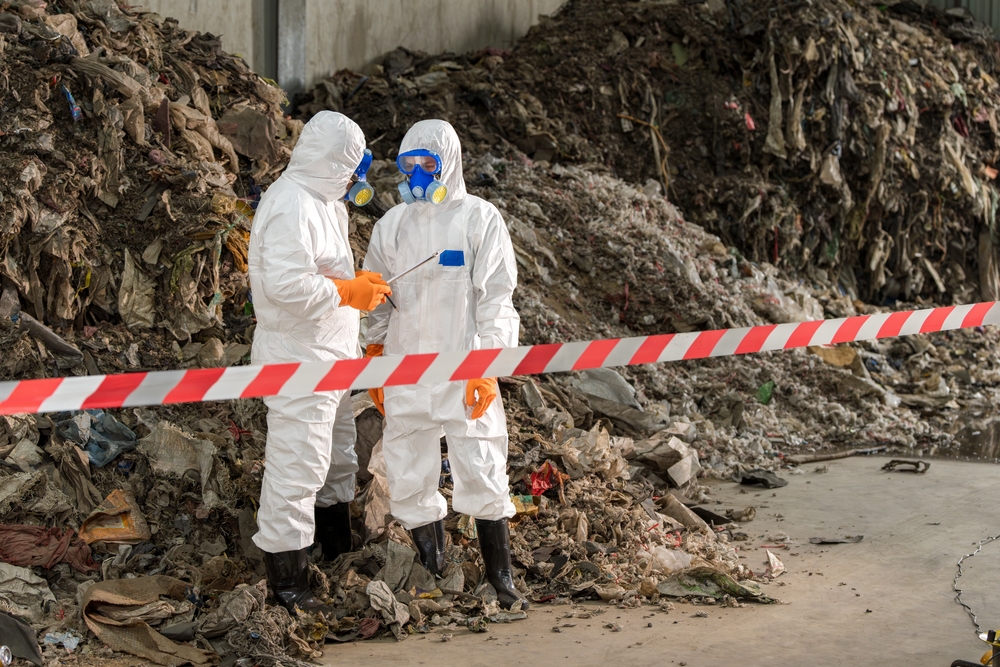
Site assessment has two main phases of understanding the potential risks, including the Phase 1 or the Environmental Site Assessment (ESA) phase, and the Phase 2 or Detailed Site Inspection (DSI). While ESA locates the historical usage of the site, the DSI identifies the specific nature and severity of contamination. In this blog, we are going to look at what happens after the DSI and what measures are taken about it.
After a Preliminary Site Investigation (PSI), the DSI report is created, and the remediation process actually starts. The findings of the DSI report direct the action, such as the specific remediation strategy. Thus, it acts as the roadmap for remediation.
Now, let’s understand what a Detailed Site Investigation (DSI) is.
What is a Detailed Site Investigation (DSI) or Phase 2 ESA?
A DSI, or internationally recognised as a Phase 2 Environmental Site Assessment (ESA), is a targeted assessment. The main purpose of this standard is to conduct detailed site contamination testing.
A DSI includes a structured program of environmental sampling. Different types of contaminants found in soil, groundwater, soil vapour, and surface water are examined, and tangible evidences are collected. During the detailed site investigation, clear evidence is collected to determine if contaminant concentrations are over human health or environmental screening criteria. This process is scientific and rigorous, which requires expert planning and execution to ensure a seamless outcome.
Triggering a DSI: When is it Necessary?
A DSI is usually conducted depending on the findings of the preliminary assessment. If the Phase 1 ESA figures out a potential or actual source of contamination, such as historical underground storage tanks, chemical storage areas, or evidence of significant industrial activity, it is essential to conduct DSI.
A detailed site investigation or a Phase 2 ESA is considered a necessary approach before property transactions. Project developers often use a DSI to assess site feasibility and analyse the financial risk before buying the site. Furthermore, site auditors will also mandate a DSI to fill the information gaps required to issue a Statement or Certificate of Environmental Audit.
The DSI Process: A Look into the Fieldwork
The DSI is a complicated procedure that requires meticulous planning and rigorous execution in the field. Plus, it often requires adjustments once the initial data is collected from the site.
Developing a Sampling and Analysis Quality Plan (SAQP)
The crucial process of DSI starts from the Sampling and Analysis Quality Plan (SAQP). This document outlines the type of samples that will be collected, along with their location and what they will be testing for. Furthermore, an SAQP ensures that the data collected is statistically sound and legally usable. A properly documented SAQP ensures that the detailed site inspection (DSI) is valid.
Soil Boring and Test Pitting
A DSI is incomplete without soil sampling. Using drilling rigs, the environmental experts collect soil and allow the collection of soil samples at various depths. To detect potential contamination in the original site, different field screening techniques are used, and those soil samples are then sent to the laboratory.
Test pitting is often considered for potential shallower contamination, providing better visual access to underground waste.
Groundwater Well Installation and Sampling
If the inspection site is located near a water source or the contamination is suspected to have spread underground, a groundwater investigation is considered important as a part of the DSI. Water samples are collected from the nearest water sources and sent to the laboratories to confirm if soluble contaminants are present. Hydrocarbons and heavy metals are some of the crucial contaminants that can migrate off-site and contaminate the water source.
Soil Vapour Probes
Soil vapour sampling is important for examining sites with potential volatile contaminants. Using small probes, vapour samples are collected to test for Volatile Organic Compounds (VOC). VOCs are significantly responsible for inhalation risks. To understand whether the site is suitable for residential use, this is one of the crucial tests.
Laboratory Analysis: What are we Testing For?
Once the samples are collected, they are dispatched to a certified and accredited laboratory for specific chemical analysis. The samples that are tested depend on the site history identified in the Phase 1 ESA. The laboratories use sophisticated techniques to quantify the concentration of each contaminant detected.
Interpreting DSI Results Against Australian Guidelines (NEPM)
Without proper interpretation, the raw data collected from the laboratory will be meaningless. The lab experts compare the sample against the relevant screening criteria. In Australia, the primary reference is the National Environmental Protection (Assessment of Site Contamination) Measure 1999 (NEPM).
The NEPM focuses on different Health Investigation Levels (HILs) and Ecological Investigation Levels (EILs). The measurement largely depends on what the proposed land will be used for. The environmental consultant needs to determine whether the contamination concentrations can be risky for public health, the environment, and the groundwater quality under the potential use of the building.
The DSI Report: Your Roadmap for Remediation
The detailed site investigation, or the DSI report, is the result of the collected effort of the fieldwork, research, and interpretation studies.
Clarity on Contamination Extent
The report after the site contamination testing should clearly define the type of contamination. It must include detailed site plans showing the precise location of boreholes, monitoring wells, and the lateral and vertical boundaries of the contaminant plumes.
Defining Remediation Strategies
Above everything, a DSI report determines what will be the next step. If the contamination is below the site criteria, no further action will be taken. However, if the contamination level can lead to unacceptable consequences, the report will suggest a Remediation Action Plan (RAP). The DSI is the sole document that holds all necessary data to select the most appropriate and cost-effective remediation strategy.
Regulatory and Audit Requirements
The DSI report is the main document that site auditors use to form their opinion on the site’s environmental aspects. It provides the crucial evidence which is required to issue a Certificate of Environmental Audit. For the owner of the construction project, the report is considered a mandatory document that shows that the project demonstrates due diligence and complies with all the planning and developmental conditions imposed by the regulatory authorities.
Final Thoughts
A Detailed Site Inspection or DSI, is the routine process to check whether the project site is following the safety regulations in terms of identifying the potential areas of contamination. The main purpose of a DSI is to find a suitable approach for the remediation of the contamination and to make the site suitable for residence. The DSI guarantees that all the potential risks are understood and the site can be remediated to meet the regulatory requirements.
Consult a Certified Site Investigation Consultancy for Transparent Reporting!
Looking to conduct an environmental investigation in your project? Partner with an accredited and certified site examination consultancy for effective planning and reporting.
Frequently Asked Questions
Who Conducts a Detailed Site Investigation (DSI) in Australia?
DSIs are conducted by appropriately qualified and experienced environmental consultants. Environmental consultants are reliable because they hold specific certifications. Plus, they are experts in contamination assessment, following the state-based guidelines and the national NEPM framework.
What is the Next Step if the DSI Confirms Contamination Exceeding Site Criteria?
If the DSI confirms unacceptable risk, the next step is ideally the creation of a Remediation Action Plan (RAP). The RAP uses the DSI data to outline the specific methods, logistics, and quality assurance measures.
How Long Does a DSI Typically Take?
The duration of a DSI can vary significantly based on site complexity, size, and the type of contamination.